
Author: Mariam Abdul Majeed
Date: March 25, 2026

Area of Impact:
Charlottetown, PEI
Article Information and Location:
There’s a new normal for weather in Charlottetown, and it’s warmer
Kevin Yarr, CBC News, Oct 05, 2024
INTRODUCTION
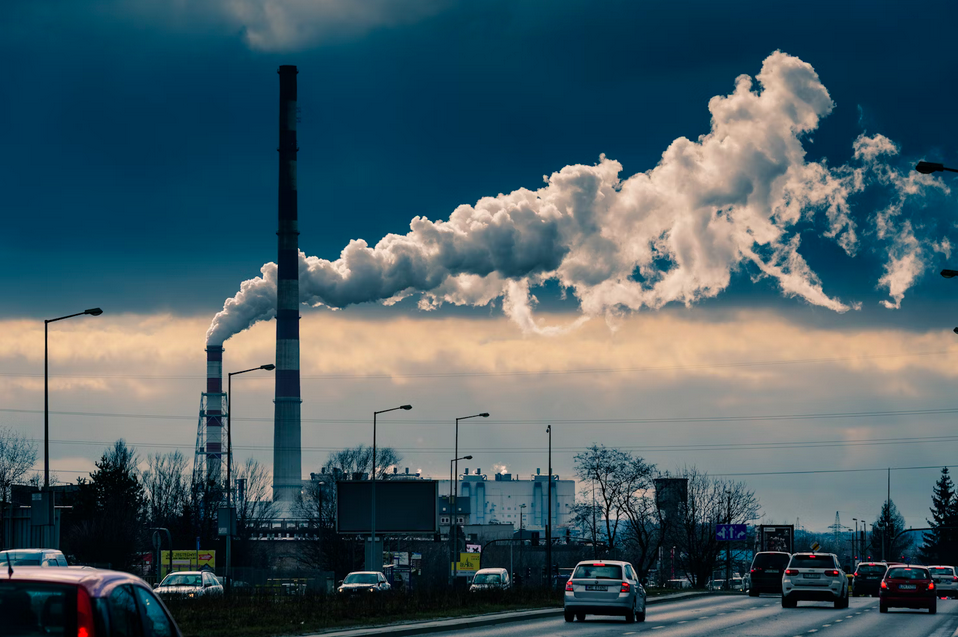
Climate change has led to a noticeable increase in global temperatures, resulting in hotter summers and milder winters. This warming trend is largely driven by human activities, particularly the release of greenhouse gases like carbon dioxide from burning coal, oil, and gas. These emissions trap heat in the atmosphere, accelerating global warming and intensifying the climate changes we are now experiencing. Understanding the link between human actions and climate change is essential for mitigating its future impact.
The news article, “There is a new normal for weather in Charlottetown, and it’s warmer” discusses a report detailing the significant effects of climate change on weather patterns in Prince Edward Island and the broader Atlantic region. It highlights rising average temperatures, leading to hotter summers, milder winters, and more frequent extreme weather events. Environment and Climate Change Canada has updated its climate normals using data from Charlottetown Airport, showing the persistent and growing influence of climate change on the region.
INFORMATION AND SIGNIFICANCE
The report indicates that average temperatures have risen by approximately 1.4 degrees Celsius since the 1970s. This increase has contributed to more extreme weather events, including heavier rainfall and stronger storms, which have led to flooding and other related hazards.
The study is crucial to many aspects of daily life, highlighting long-term environmental shifts in the Atlantic region due to climate change. It examines rising temperatures, changes in precipitation, and sea level increases, all of which affect agriculture, fisheries, and coastal communities. The study emphasizes the need for both local residents and policymakers to plan adaptation strategies, address infrastructure and economic vulnerabilities, and build community resilience to future climate risks, ensuring that the region can better cope with these emerging challenges.

One may be doubtful of the significance of native Canadian bees, even with the knowledge of their profound impact. After all, it is inarguable that although native bees are a major contributor to farms, using honeybees is more effective in general. However, the aim of protecting native Canadian bees isn’t only to benefit farmers, but also to ensure the continuity of these native species. Those species of bees have been with us for eons. It is hurtful to think of the idea that they may become extinct due to the misconduct of our generation. Protecting the native bees of Canada is the same as protecting the land Mother Nature gifted to us.
CONCLUSION
In summary, the article offers critical insights into how rising temperatures, shifting precipitation patterns, and sea level increases are transforming the island’s environment. It stresses the urgency of taking action to safeguard communities, key industries like agriculture and fisheries, and essential infrastructure. The report encourages both policymakers and the public to implement climate adaptation strategies, ensuring that PEI’s economy and way of life remain resilient in the face of mounting environmental challenges.
Leave a Reply