
Author: Tomas Wang
Date: March 25, 2026
Area of Impact:
Atlantic Canada
Article Information and Location:
Native bees are an important piece of the pie. Why aren’t we protecting them?
Luke Roman, The Narwhal, Oct. 11 2024
INTRODUCTION
Perhaps the greatest invention of the human race is agriculture; the invention of agriculture, the Neolithic Revolution, marked the beginning of true civilization and the journey of human development. Throughout history, farming has improved countless times around the world. From human labour to animals to machinery to greenhouses to chemicals, we have come a long way. However, ever since the discovery of climate change, we have noticed that perhaps some of the practices actually do more harm than good in the grand scheme of things. Therefore, persuaded by the environmental activists, many farmers discarded practices like the use of toxic chemicals and began practicing practices that are considered natural and eco-friendly. However, what many don’t expect is that even some of the most “eco-friendly” farming practices have implications of their own.
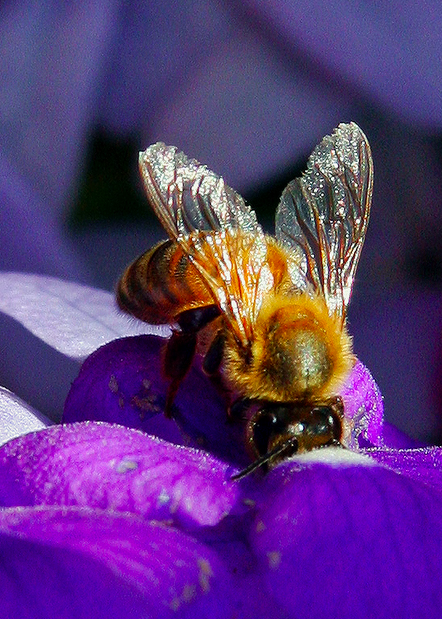
The article Native bees are an important piece of the pie. Why aren’t we protecting them? details the significance of bees found naturally within Canada and how they are being threatened by the honeybees of Canadian farmers. Bees have traditionally been known to be beneficial to farmers. Interestingly, plants can’t reproduce on their own. This is where the bees come into play through the process of pollination, which is when an external party helps the plants reproduce. Pollination is not limited to just bees; it could also be conducted by abiotic forces like wind and other animals. Nevertheless, bees are still one of the most significant contributors to pollination and the ones that we can control the easiest. The most common species of bees used by farmers is the honeybee. 100% natural and 0 greenhouse gas emission, one may guess that honeybees are the greatest thing an environmentalist could hope for. However, as the article explains, the situation is more complicated.
INFORMATION AND SIGNIFICANCE
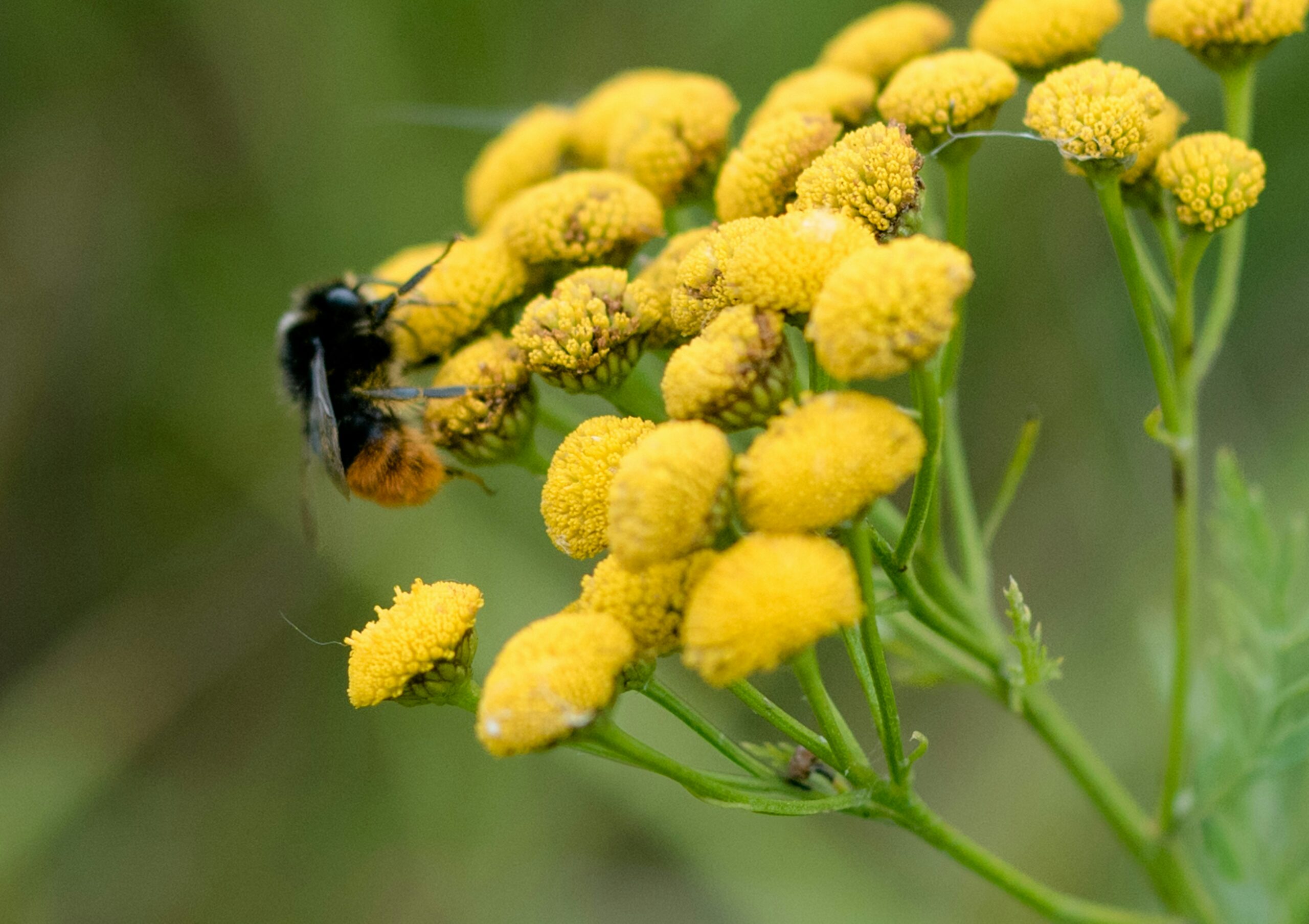
The honeybees, which came from Europe, aren’t the only bees that help pollinate our plants. Canada has more than 850 species of pollinating bees that have inhabited the land long before humans emerged. However, the effects of those native bees are often overlooked; domesticated honeybees are credited for all of the pollination in farms, but truthfully, the wild native bees contribute as much as 2.8 billion dollars annually to farmers. Furthermore, wild bees native to Canada are more resilient to colder temperatures common in many Canadian regions. Often, when the temperatures drop, European honeybees stop working, and wild Canadian bees end up saving the day. Although their overall contribution is less than the honeybees, the significance of the wild bees is undeniable. However, those wild bees are actually being threatened in the very present.
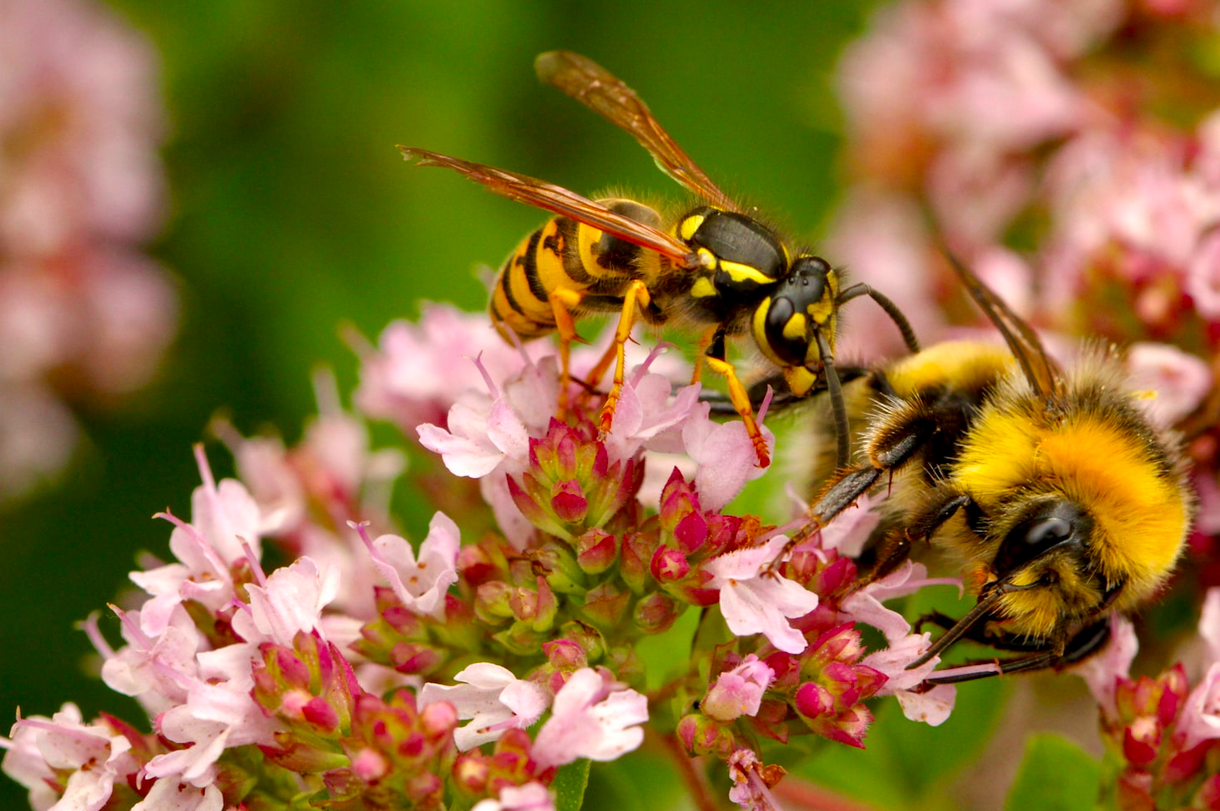
Despite the obvious factor of climate change, the wild bees of Canada are also affected by the introduction of honeybees. Honeybees are from Europe, making them an invasive species, and their widespread usage makes their effect infinitely larger. Likewise to other invasive species, honeybees break the food chain by taking away a significant percentage of the plants which the native bees feast upon. As a matter of fact, 7 out of the 45 species of native bumblebees are endangered, threatened, or of special concern. Furthermore, honeybees carry diseases that the native Canadian bees aren’t immune to. With all of that in mind, there’s one question that remains: how can we help preserve the native bees? The answer is actually quite simple. We can help preserve the native bees by a variety of little things, like limited pesticide use, efforts toward stopping global warming, and preservation of the natural habitats of the bees. Limited honeybee use is also beneficial for the native bees. As a matter of fact, some farmers depend solely on native bees for pollination.
One may be doubtful of the significance of native Canadian bees, even with the knowledge of their profound impact. After all, it is inarguable that although native bees are a major contributor to farms, using honeybees is more effective in general. However, the aim of protecting native Canadian bees isn’t only to benefit farmers, but also to ensure the continuity of these native species. Those species of bees have been with us for eons. It is hurtful to think of the idea that they may become extinct due to the misconduct of our generation. Protecting the native bees of Canada is the same as protecting the land Mother Nature gifted to us.
CONCLUSION
Bees are one of the backbones of farming. It is quite unfortunate that the species of bees native to Canada are declining as we speak. It will take a combined effort between the government, farmers, and everyday citizens to ensure the continuity of those precious native species. Although compared to the first two, the latter could have a limited contribution, a combined effort between all of the Canadians is still dramatically significant; even if each of us just takes a tiny step, it might just add up to be enough to save millions of native bees from endangerment.
Leave a Reply