Author: Tomas Wang
Date: August 11, 2026
Area of Impact:
Atlantic Canada
Article Information and Location:
Gigatonnes of carbon are stored in under-protected areas
Anand Ram, CBC News, Feb 13, 2025
INTRODUCTION
There is no treasure more exceptional than nature, which engulfs us in her omnipresent glamour; it took the lifetime of numerous scientists to formulate the present knowledge of nature, which is but a glimpse of her magnificence. It is truly a shame how humankind often lacks appreciation for our God-given gift. Since the commencement of the industrial revolution in the 18th century, nature became continuously damaged; forests were cut down and factories erected, rivers painted yellows and the sky lost her hue — the lustre of nature was stripped away by the crimes of the human race. Fortunately, the situation has improved greatly as we move into the 21st century. However, many precious ecosystems still remain underappreciated. Pleatland is a prominent example.
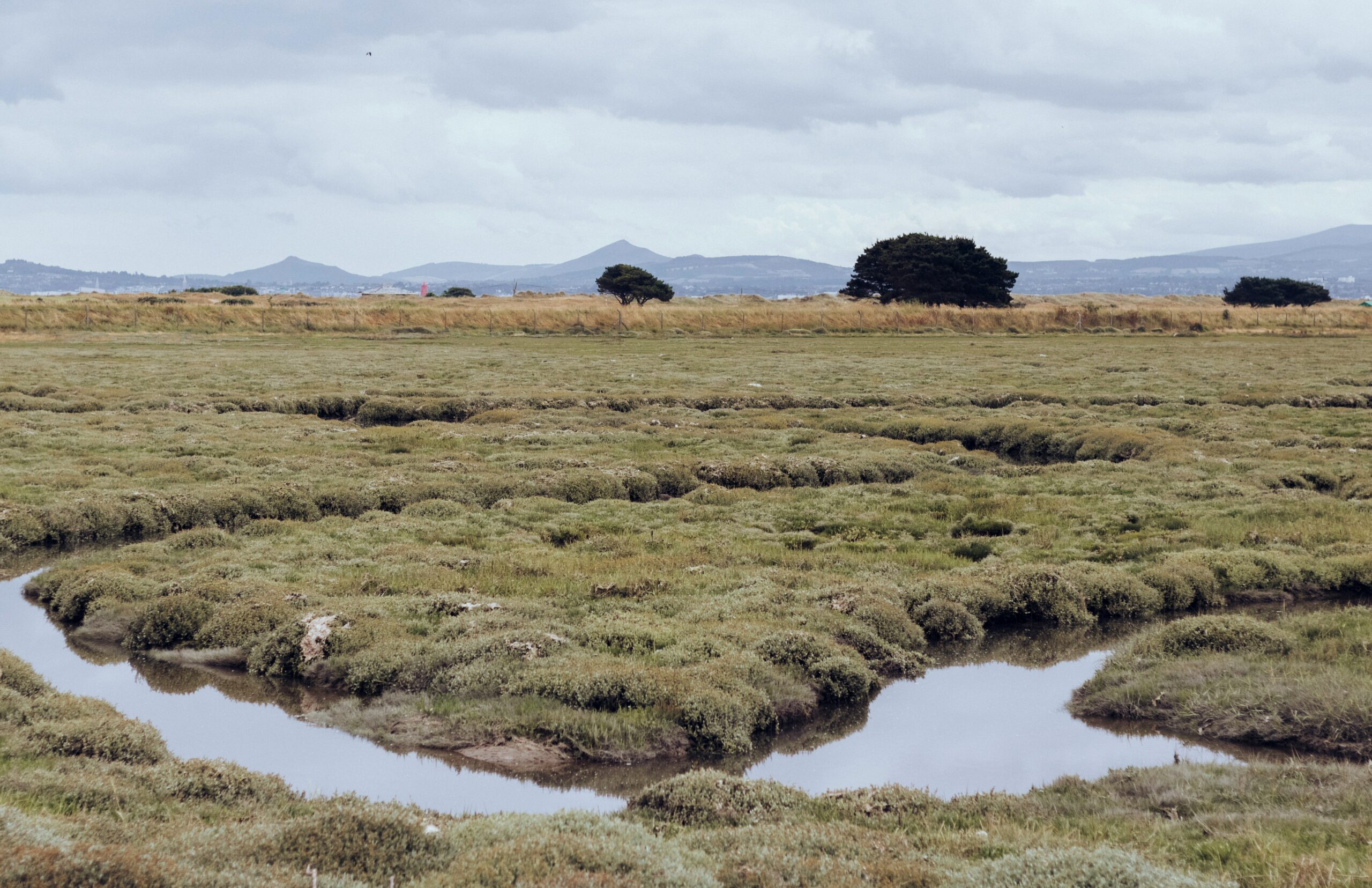
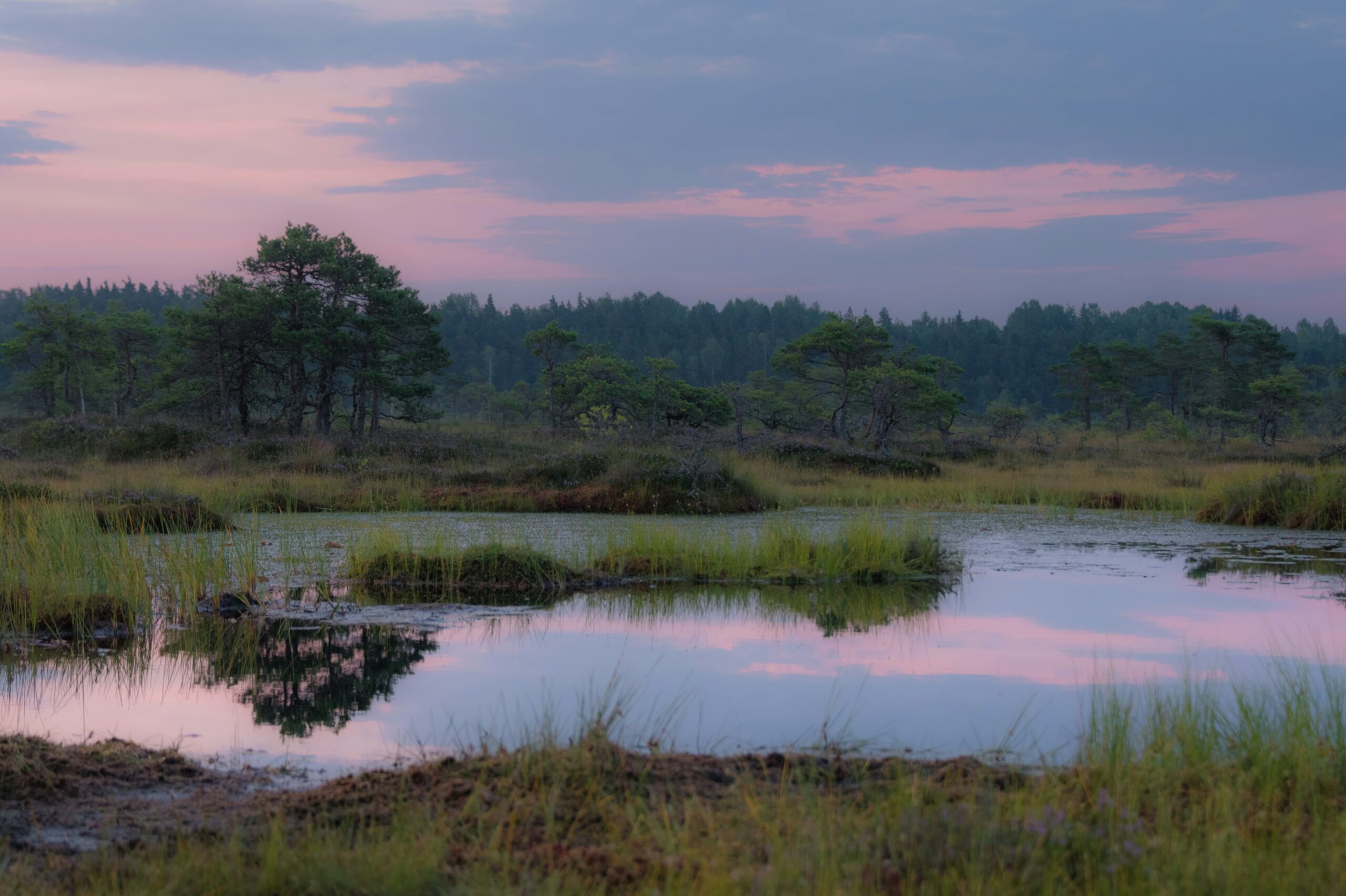
The article Gigatonnes of carbon are stored in under-protected areas details the importance of peatlands, the lack of appreciation of peatlands in Canada, and possible dangers that threaten peatlands. Peatlands are wetland ecosystems where the abundance of water hinders the decomposition process and leads to the generation of peat. Peat is the lowest grade of coal and stores carbon. However, despite its low carbon per unit, the abundance of peat gives peatlands the ability to store immeasurable amounts of carbon — 600 billion tonnes of carbon, as estimated by the UN Environment Programme. Peatlands also act as habitat for numerous species of animals and plants. Nevertheless, this ecosystem is still underappreciated by Canada and the entire world.
INFORMATION AND SIGNIFICANCE
According to Kemen Austin, lead author of the new research published in Conservation Letters and director of science at the Wildlife Conservation Society, only “17 per cent of peatlands are currently protected”. This is a very low percentage considering the significance of peatlands. It also must be noted that the data above was obtained excluding the peatlands in Canada. Canada is the home of 25% of the world’s peatlands. The result of this exclusion is doubtlessly significant. But why? The reason for this exclusion is a sad reality: we do not have a map of peatland in Canada. About this reality, Kelly Bona, wetland research scientist with Environment and Climate Change Canada, said: “Actually, we don’t even have an authoritative map to tell us where all the peatlands are in Canada. So there’s still a lot of data gaps we’re working on.” As Canadians, we must reflect on this lack of appreciation of peatland; not only did we not protect peatlands, we also didn’t bother mapping their locations.
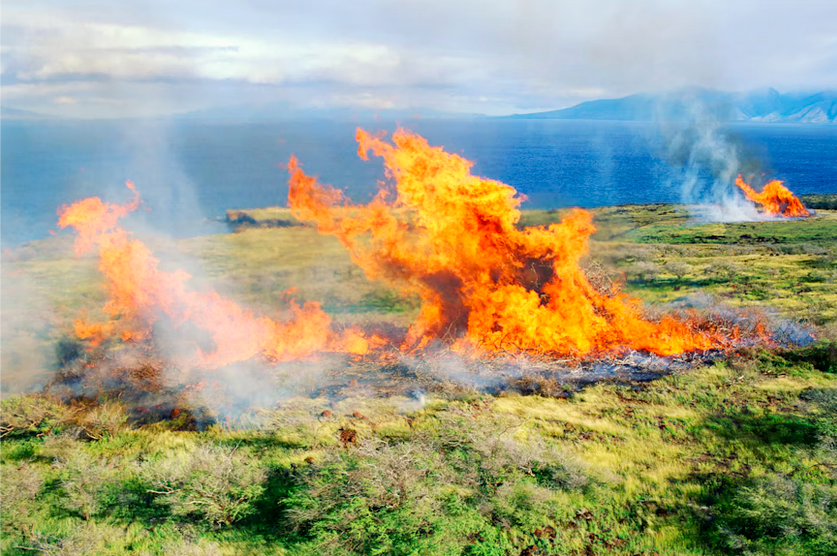
The paragraph above is infinitely more disturbing when we take into consideration the dangers peatlands face and the consequences of their destruction. The greatest threat to peatlands is human encroachment. To create grounds for agriculture, we often drain peatlands of water and clear the peats through the cheapest method — burning. This common approach not only harms nature by removing her invaluable ecosystem but also does unmeasurable damage to the climate. The nature of burning peat is no different than burning coal, releasing greenhouse gases into the atmosphere. When we consider the extraordinary mass of peats, the negative effect of burning peats becomes unignorable.
Peatlands are an inseparable part of our priceless nature. As industrialization continues to destroy the natural environment, Canadians should be more than concerned. As a defining aspect of Canadian culture, our natural beauties are a crucial part of our identities. The lack of appreciation of peatlands and their active destruction actively threaten the very thing that makes us Canadian. On a more literal note, the destruction of peatlands continues to worsen climate change. If 600 billion tonnes of carbon all make their way into the atmosphere, the damage will be devastating. Peatlands must be preserved.
CONCLUSION
The power of words is limited if no actions are taken. At this very moment, the situation of peatlands in Canada still remains ignored and the destruction of peatlands still takes place frequently. The purpose of this article is to inspire people to take action. The percentage of protected peatlands must not remain at 17% and the distribution of peatlands within Canada should not be unknown. It is better to take action now than to leave it for future generations.
Leave a Reply