Author: Tomas Wang
Date: August 25, 2026
Area of Impact:
Atlantic Canada
Article Information and Location:
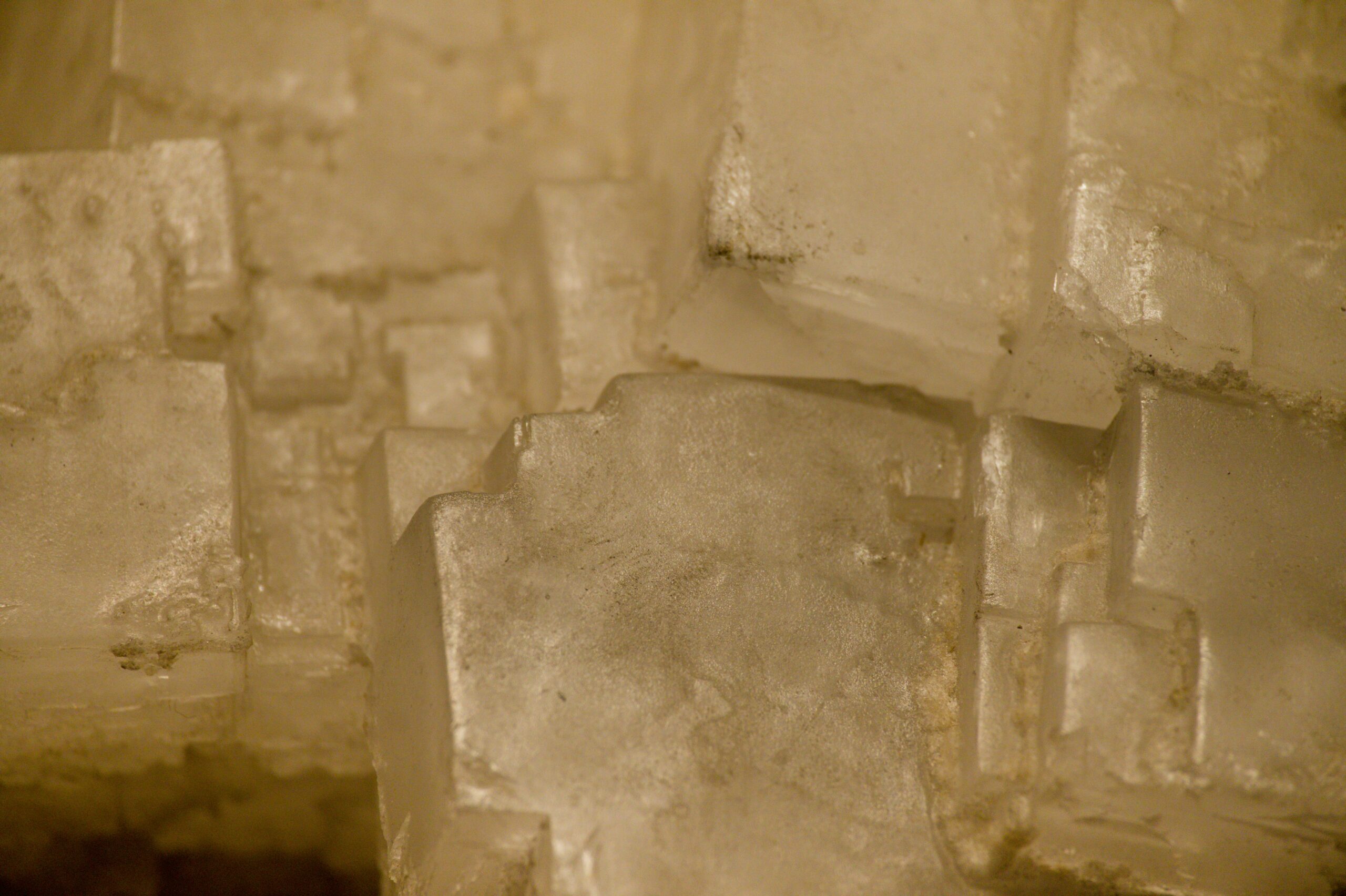
Rocking demand for road salt revives southern N.B. mine
Rachel Cave, CBC News, March 4, 2025.
INTRODUCTION
Humans often accredit themselves for the magnificent accomplishments we have achieved. Ironically, even in modern times, our societies are baseless without the gifts from Mother Nature; everything we hitherto achieved is nothing but an exploitation of Mother Nature. So as we admire the splendid cities and machinery in our everyday lives, it is perhaps important for us to consider the role of nature in our ingenuity. Salt is an example of something continuously underlooked by our people. Used in cooking and on icy roads, we often take salt for granted. But where do salts come from?
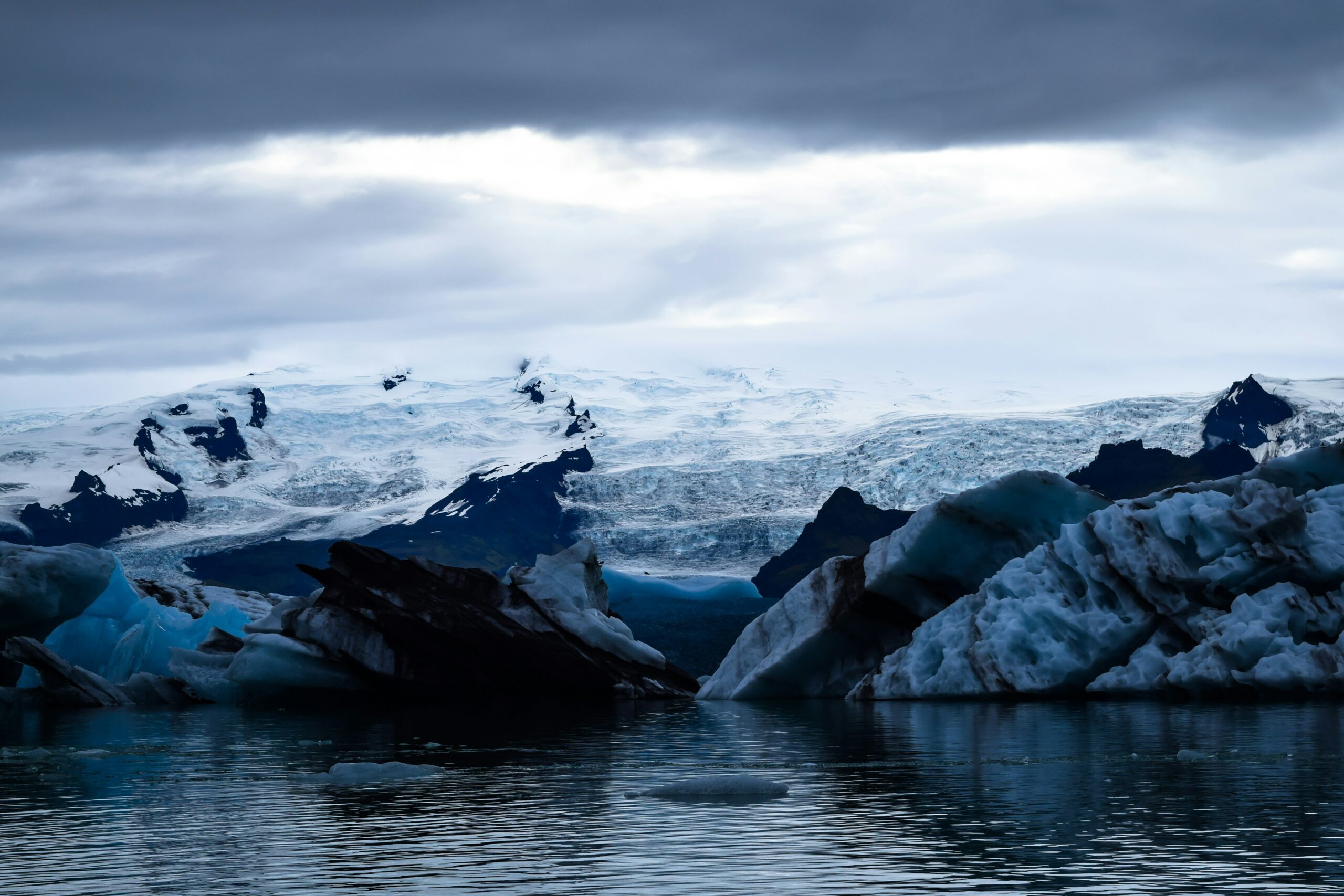
The article “Rocking demand for road salt revives southern N.B. mine” details the high demand for salt and the reoccupation of the salt deposits near Sussex. The salts we use in our everyday lives are primarily collected from salt deposits that outlive even our earliest ancestors. Canada was covered in glaciers 340 million years before our existence. A climate change much like the current took place during that time period, which melted the glaciers in Canada. The evaporation of water into gaseous form left behind the salt dissolved in the glaciers. This formed massive salt deposits all around Canada. One of these deposits is located in southern N.B., in Sussex.
INFORMATION AND SIGNIFICANCE
In 2014, the price of salt dropped dramatically — from $297 US per tonne to $206 US per tonne. This led the company in charge of the salt deposit near Sussex to abort the operation in this deposit and move to Saskatchewan. 430 people were laid off and this treasure left behind by Mother Nature was abandoned. However, at the turn of the events, earlier this year, the demand for salt skyrocketed. This is the result of the need to melt the icy roads in the cold winter of 2025. To accommodate this changing demand, the company decided to restart mining in this salt deposit. The salt from this salt deposit is perfect for public needs. With a purity of above 98% sodium chloride, the salt works in extremely cold conditions. Geologists claim that “So you really want the cleanest, best grade for the people who run the spreaders off the back of their trucks.”
The opportunities to return to the deposit were valued by previous workers at the deposit. Many workers expressed their happiness in the interview with CBC. Mining machine operator Jeff Lackie returned all the way from Saskatchewan after he got the call. He told the interviewer that he was happy he was to be home again. Many workers are between the ages of 60 and 70. The sole reason for their return is passion. The administration of the deposit claims that “Our employees are very proud of what they’ve been able to do.” The goal of this new operation in the salt deposits is to supply 180,000 tonnes of road salt to the Department of Transportation annually.
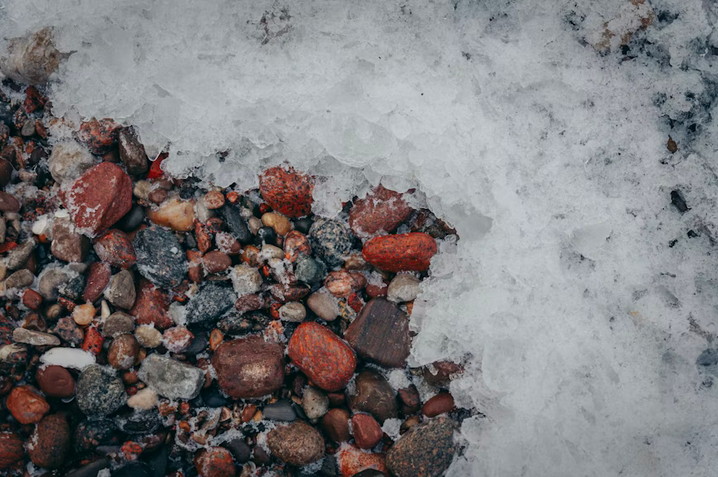
This repopulation of the salt deposits near Sussex is of both literal and symbolic significance. This new operation will generate massive amounts of road salts useful for the public. The local nature of the operation also places much burden on the government of New Brunswick. The repopulation also generates job opportunities for enthusiastic workers like the elderly workers mentioned above. Symbolically, this repopulation shows that we are embracing the gift given to us by Mother Nature. These salts are the results of millions of years of natural changes beyond the scope of human comprehension. With no negative repercussion whatsoever, it is better to accept this gift from Mother Nature rather than let it sit for millennials to come.
CONCLUSION
As time elapses the operation in the salt deposits will continue to build momentum. The salt collected will positively benefit the community of New Brunswick in the years to come. Salts, alongside many other natural resources, are gifts given to us by Mother Nature. As we collect the precious salts deposited in our land, it is important for us to appreciate the selflessness of Mother Nature and thank her for her generous gift.
Leave a Reply