
Author: Victoria McGrath
Date: August 11, 2026

Article Title:
Understanding Nurses’ Experience of Climate Change and then Climate Action in Western Canada.
Article Affiliation:
University of Alberta & MacEwan University
Article Citation:
Rempel, H., Kalogirou, M. R., Dahlke, S., & Hunter, K. F. (2024). Understanding nurses’ experience of climate change and then climate action in Western Canada. Journal of Advanced Nursing.
INTRODUCTION
The impacts of climate change and the strain on public health care may be the two most important issues facing Canadians today. In fact, these two issues are much more related than one might think. The term “planetary health” is used to describe just that. In order for humanity to be healthy, we must be aware of and protect the health of our environment. The depletion of planetary health due to climate change is quite obvious upon looking at the current state of our overwhelmed healthcare system. Nurses, being the backbone of Canadian healthcare, have been feeling the effects of this and have been motivated to engage in climate action, although the specifics of their experiences have not been studied in depth. Nurses are often overworked, underpaid, and short-staffed in Canada. They also experience a great deal of stress given the high-pressure environment of their profession, which is exacerbated by the increase in people seeking medical treatment for climate change-related health concerns – primarily following major environmental disasters, which are becoming increasingly frequent due to global warming.
A group of researchers at the University of Alberta and MacEwan University sought to fill in this knowledge gap – how have their experiences with climate change as healthcare professionals motivated them to become involved in climate action? More specifically, how have climate change-induced extreme weather events affected nurses both personally and professionally? In this study, Canadian nurses were interviewed after experiencing a heat dome, drought, and forest fires all within one year. They were asked several questions regarding their thoughts on the events themselves, the impacts on staff and patients, how the events affected them both personally and professionally, and whether or not they now felt encouraged to become involved in mitigating climate change.
RESULTS AND DISCUSSION
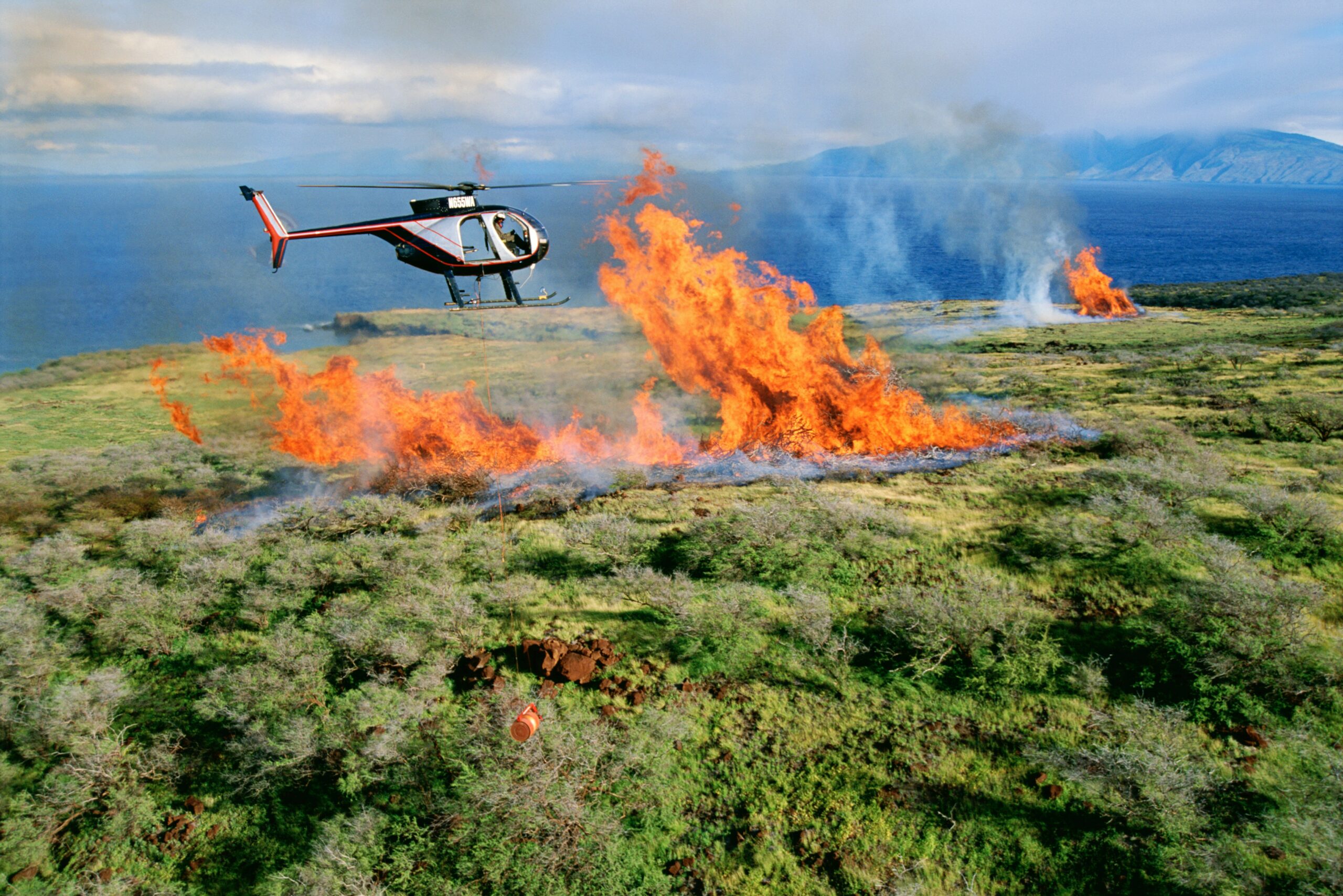
The interviews yielded new insights into how the climate crisis is impacting the healthcare system, its patients, and its workers. The interviewees stated that the extreme weather events, which occurred in 2021, worsened the strain placed on hospitals as a result of the COVID-19 pandemic. These weather events also impacted every aspect – emotional, physical, and psychological – of the lives of working nurses. They were always prepared for the absolute worst. Helping patients feel better while continuously worrying about losing their homes in a fire placed excess stress on these nurses. The additional fear of having to evacuate patients – also feeling unequipped to do so and receiving conflicting information – made the hospital an exceedingly stressful environment for both patients and staff. The interviews also revealed that many nurses, after experiencing the burden of working through these disasters, became involved in various means of environmental action and advocacy in order to help combat the climate crisis that influenced these disasters.
Like with any study, there are strengths and weaknesses associated. For this particular study, the primary strength is the interviews with nurses who actually experienced several extreme weather events caused by climate change. This firsthand experience from nurses working in various healthcare fields (including surgery, community health, and more) shows how real people are being affected by the climate crisis. There is only so much impact that scientific data and forecasts can have on the general public. It takes real, raw experiences for people to understand how dire the climate crisis is. The only weakness of this study was the limited sample size.
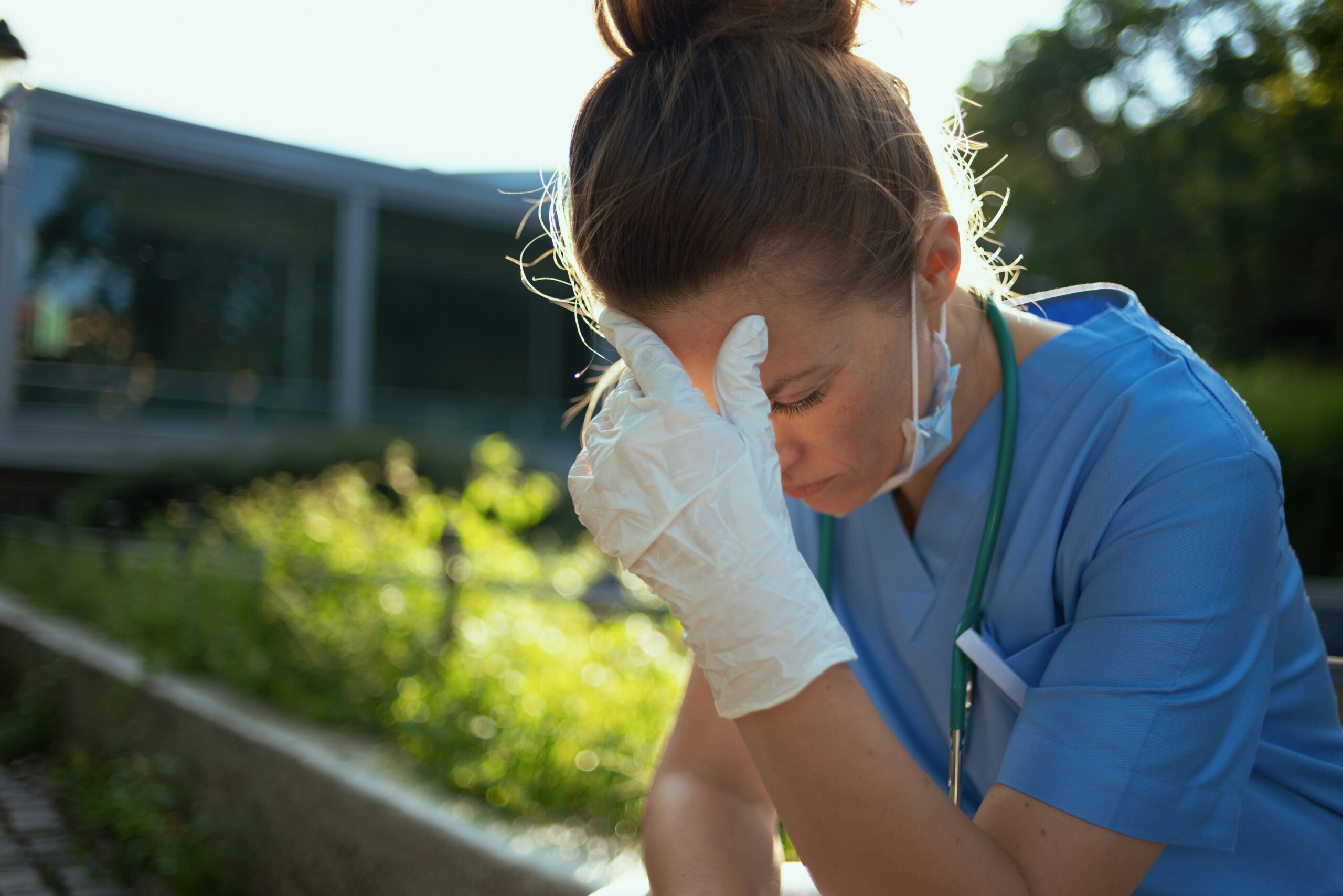
Unfortunately, the climate crisis is worsening by the day. We are seeing an increase in extreme weather events all over the world, including here in Canada. Although this study was conducted in Western Canada, Atlantic Canada is also seeing an increase in such natural disasters. The results of this study are just as important in Atlantic Canada as anywhere else, as we need a strong and healthy healthcare system to keep our population healthy. If our nurses are under too much stress, it can impact patient care and stress levels. It is very likely that nurses in Atlantic Canada are experiencing what the nurses interviewed in this study are and it will worsen if more work is not done to mitigate the climate crisis.
CONCLUSION
Our collective planetary health is getting worse. As we continue to allow the climate crisis to worsen, human health is worsening. This study proves that if major changes to humanity’s attitude and behaviour towards the environment are not made to prevent further damage to the planet, it will affect us in all aspects of our lives. These interviews also revealed that firsthand experience with the effects of climate change will encourage people to actively participate in climate action. Perhaps the best climate activists are those who have experienced the beginning of the horrors climate change will inflict on humanity if nothing is done.
Leave a Reply