Author: Reeju Francis Leonard Gomes
Date: August 11, 2026
Article Title:
Assessing the vulnerability of freshwater fishes to climate change in Newfoundland and Labrador
Article Affiliation:
Environmental Policy Institute, Memorial University Grenfell Campus
Department of Biological Sciences, University of New Brunswick
Article Citation:
Olusanya, H. O., & van Zyll de Jong, M. (2018). Assessing the vulnerability of freshwater fishes to climate change in Newfoundland and Labrador. PloS one, 13(12), e0208182.
INTRODUCTION
Freshwater fish play a significant role in many cultures around the world. In Bangladesh, there is a phrase, “Mache bhate Bangali,” which translates as, “Fish and rice make a Bengali.” Similarly, freshwater fish are an essential element of Newfoundland and Labrador. For example, they supply food and contribute to the equilibrium of rivers and lakes. Fish, unlike humans, do not adapt well to climate change. Climate change now poses a severe threat to these fish. Rising temperatures and changes in rainfall are two examples of climate change that severely impact wildlife habitats. Some species may struggle to live, while others may adapt.
The research studied seven select native freshwater fish species from the 27 total existing in Newfoundland and Labrador and assessed their vulnerability to climate change. This study helps identify species at risk and guide conservation efforts. The researchers used a vulnerability assessment framework called the National Marine Fisheries Service (NMFS) framework, which looks at how much the climate changes (exposure), and how well they can adjust (adaptive capacity).
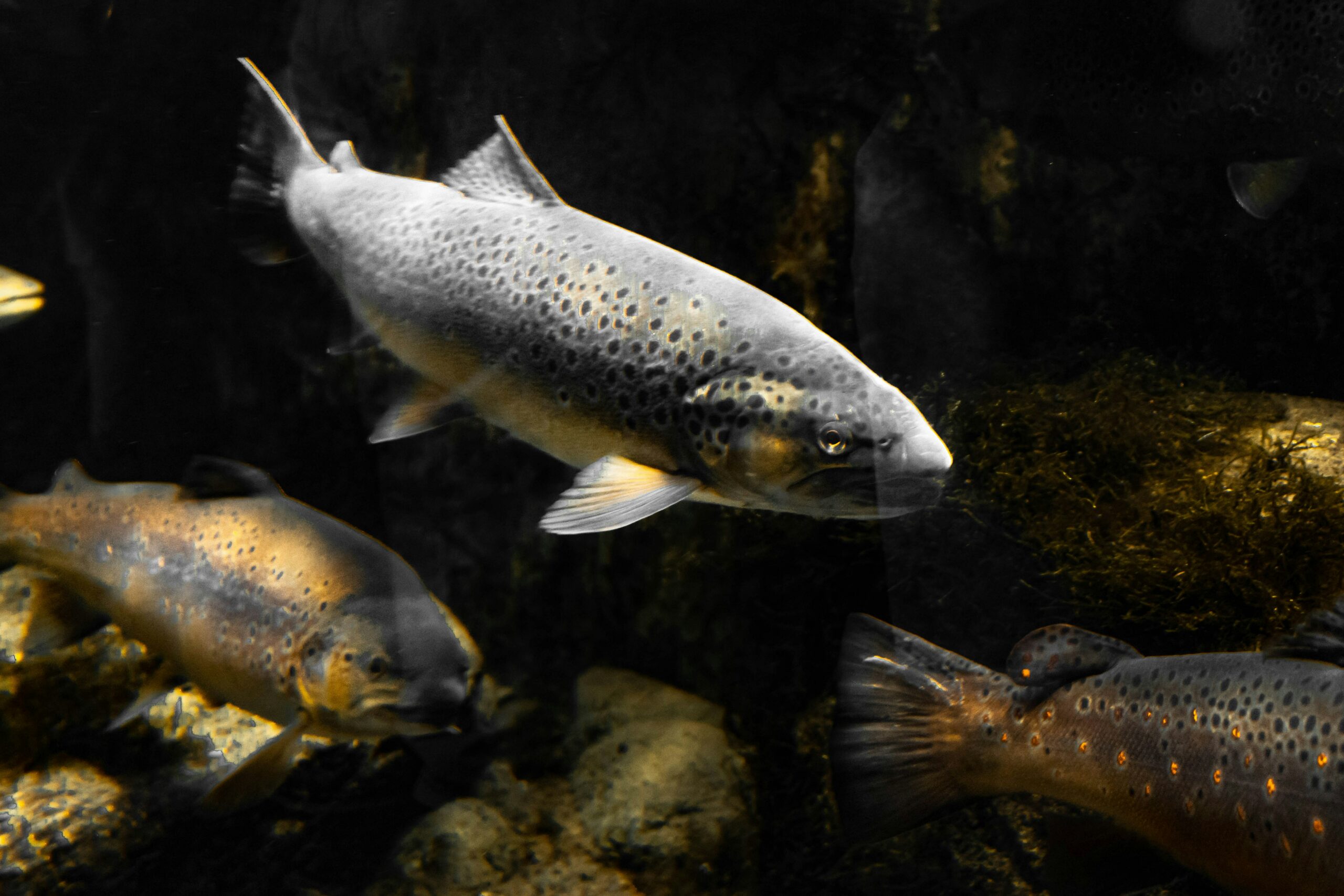
The study used expert surveys to score seven fish species. The species chosen for the study are Atlantic Salmon, Brook Trout, Lake Trout, Brown Trout, Arctic Char, Northern Pike, and Rainbow Trout. The fish are scored in three ways: indicator score, weight score, and confidence scores. The indicator score will be for things like exposure, sensitivity, etc. The weight score is the importance of each indicator in the previous score. Confidence is the uncertainty of their judgment. Experts provided scores based on existing research and their knowledge. The study then ranked fish species from most to least vulnerable to climate change.
RESULTS AND DISCUSSION
The study’s main finding is that some fish species are more at risk than others; however, none were characterized as having low vulnerability. Lake Trout had the highest vulnerability score of all target species. The researchers also demonstrated the potential impact of climate stressors, and it was found that Arctic Char, Atlantic Salmon, and Lake Trout were more likely to face than others.
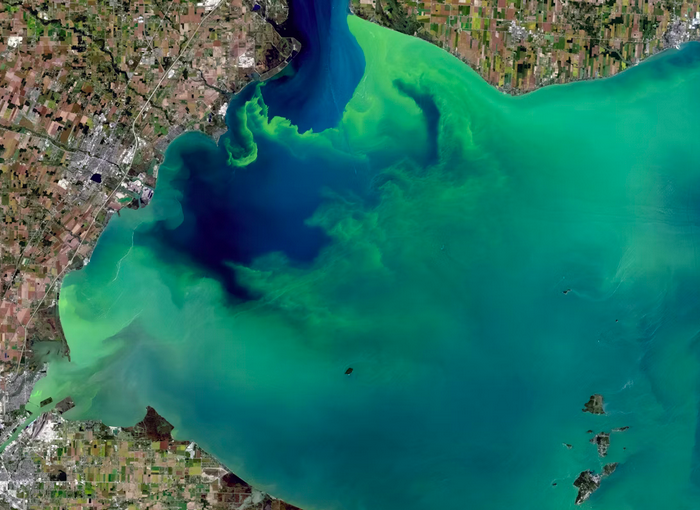
The study confirms that climate change will likely reduce populations of cold-water fish. This will impact both the environment and local fisheries. The results suggest that conservation efforts should focus on protecting cold-water habitats and reducing other human impacts like pollution and habitat destruction.
One strength of the study is that it uses expert knowledge to assess multiple species quickly. However, a weakness is that it relies on expert opinions rather than direct measurements. More field studies are needed to confirm these predictions.
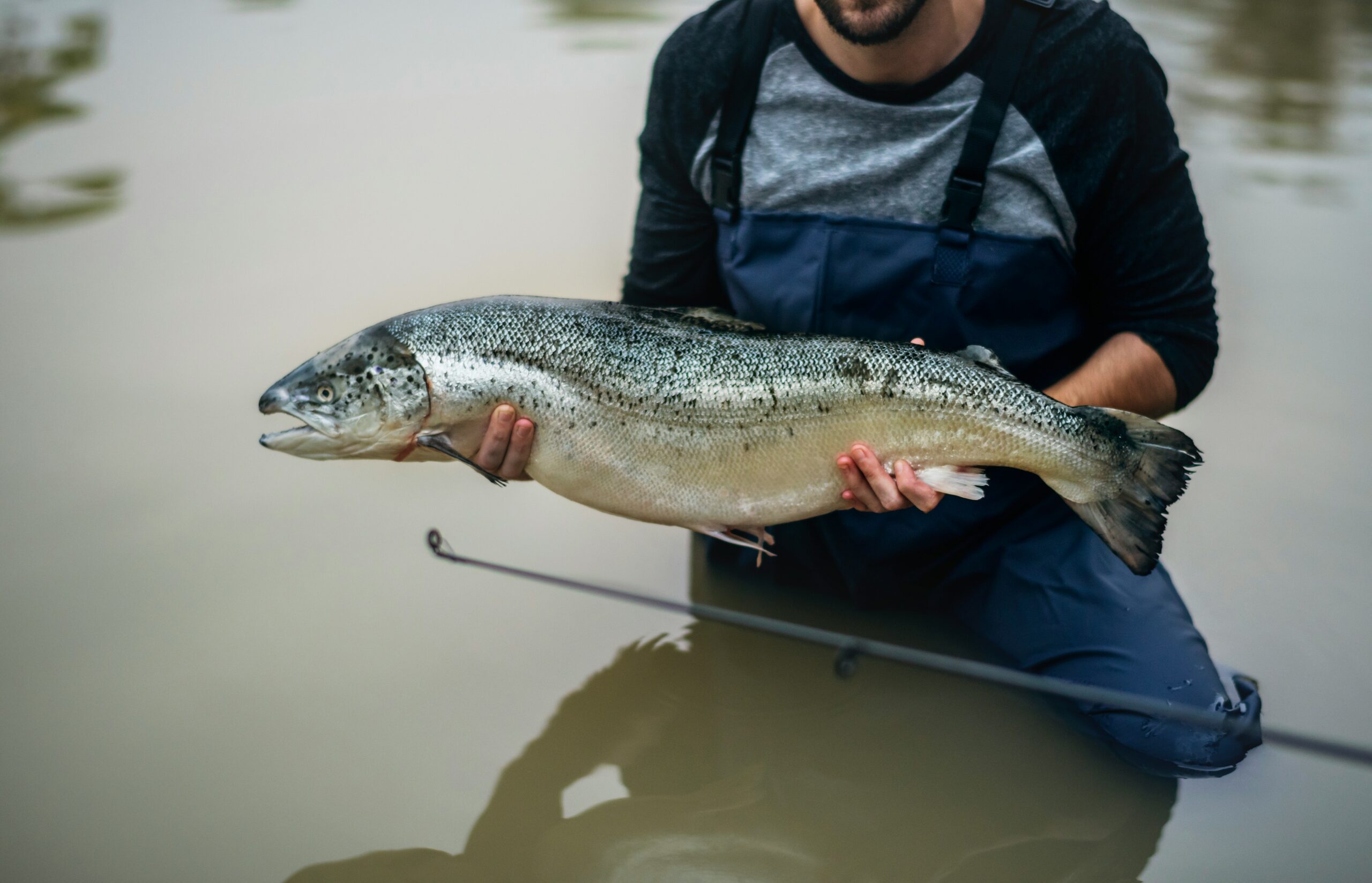
The importance of the study lies in its quality in helping scientists and policymakers understand which fish species are most at risk. By identifying vulnerable species, conservation efforts can focus on protecting them before they become extinct like many other species. It also shows how climate change is already affecting freshwater ecosystems. Many communities in Atlantic Canada rely on freshwater fish for food and income. The decline in fish population and species could most likely harm local fisheries and tourism. The study highlights the need for action, such as habitat protection and better water management, to help fish populations survive.

CONCLUSION
The study shows that climate change is a serious threat to freshwater fish in Newfoundland and Labrador. Cold-water species like Arctic Char, Atlantic Salmon, and Lake Trout are at the highest risk. Protecting these fish will require conservation efforts and careful management of their habitats. The research provides valuable information that can help policymakers and local communities take action.
Leave a Reply