Author: Tomas Wang
Date: August 6, 2026

Area of Impact:
Atlantic Canada
Article Information and Location:
Most countries miss UN climate plan deadline as fears over Trump effect on global diplomacy grow
Thomson Reuters, CBC News, Feb 10, 2025.
INTRODUCTION
Climate change is like a malignant tumour that sucks life out of Mother Earth; and just like cancer, it takes immeasurable efforts to mitigate climate change. Climate change is not a one-man job; the international community must work together for the human race to have any chance against climate change. That is exactly what we did over the past decades, and we have hitherto achieved much. With international collaboration, the climate is gradually improving and everything seems to be going in the right direction. However, like all things in life, obstacles occur that hinder progress.
The article “Most countries miss UN climate plan deadline as fears over Trump effect on global diplomacy grow” details the slow progress on the climate plan that each associated country is supposed to submit to the United Nations and its association with the new Trump Administration. The Paris Agreement is a treaty signed by 196 countries on December 12 2015. The treaty was forged with the purpose of reducing worldwide climate change. Specifically, it aims to “hold ‘the increase in the global average temperature to well below 2°C above pre-industrial levels’ and pursue efforts ‘to limit the temperature increase to 1.5°C above pre-industrial levels.’” This treaty also requests signatories to submit new climate plans every 5 years, which is designed to be more ambitious each time. As we reach 2025, most signatories did not submit their new climate plan as of the deadline of Feb 10. Officials fear that this may hint toward a weaker governmental focus on the issues of climate change.

INFORMATION AND SIGNIFICANCE
Only 10 countries out of the 196 signatories of the Paris Agreement submitted their new climate plans in time. Canada also failed to meet the deadline, but only by a day. Indian officials claim to not have finished studies relevant to the formulation of the new climate plan. Chinese Officials claim to be submitting the plan “in due course”. Indonesia is awaiting orders from its president. The United States of America is exiting the Paris Agreement as a whole under the Trump Administration. Nevertheless, countries including the U.K. and Brazil have submitted their climate plans. The U.K., in particular, aims to reach net zero by as early as 2035.
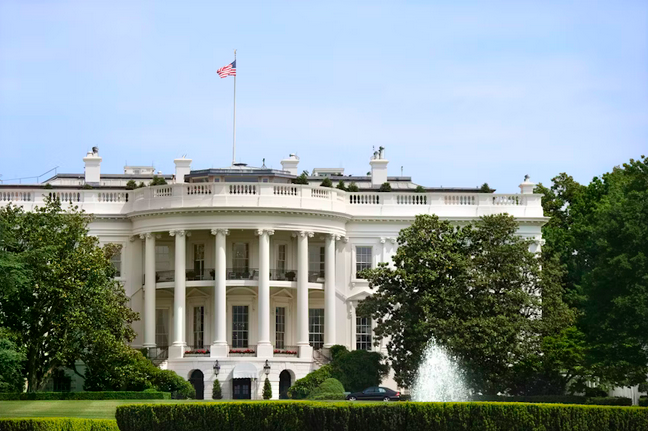
Alex Rafalowicz, executive director of the Fossil Fuel Non-proliferation Treaty Initiative, claimed this reality to be “disappointing”. Many reasons can be attributed to this disappointing reality. Weak governmental focus is suspected as a leading factor, which is the case of the U.S., India, and Indonesia. The political instabilities of 2025 could also be a cause, which is shown in the situation of the United States. This factor could have also affected Canada’s delayed submission. Nevertheless, the most notable factor is perhaps the actions of the United States. Under the administration of Donald Trump, the United States is majorly reducing measures against climate change, evening pulling out of the Paris Agreement as this article previously states. The United States is one of the most impactful countries in the world. The decision of the Trump Administration to reduce focus on climate change likely impacted the decisions and actions of many countries throughout the world. As a result, the late submissions of most Paris Agreement signatories are likely affected by the fear of diplomacy with the United States.
As the Canadian government plans to submit the new climate plan in the following week, it may seem that this piece of news is not relevant to us Canadians after all. However, this statement couldn’t be more wrong. As this article previously states, the mitigation of climate change requires a collaborative effort between all countries in the world. As Rafalowicz stated in an interview, “So many countries in the developing world have said clearly that they actually need more resources — to help them be able to do their climate action plans, to invest in the renewable energy that they might need, or the seawall defences that they might need, or the sustainable agricultural approaches or whatever it may be.” As Canadians, we have to extend our vision beyond Canada and consider the international significance of this piece of news. As stated above, the possible factors leading to the reality are doubtlessly concerning.
CONCLUSION
The officials at the United Nations hope to receive all climate plans by later this year. Therefore, the final result of this piece of news is still to be determined. Perhaps all climate plans will be submitted despite the delay. Or perhaps governments will continue to show a weak focus on climate change. Nevertheless, the final result will, to an extent, reflect the trajectory taken by the international community in the proceeding decade.
Leave a Reply