
Author: Reeju Francis Leonard Gomes
Date: August 6, 2026
Article Title:
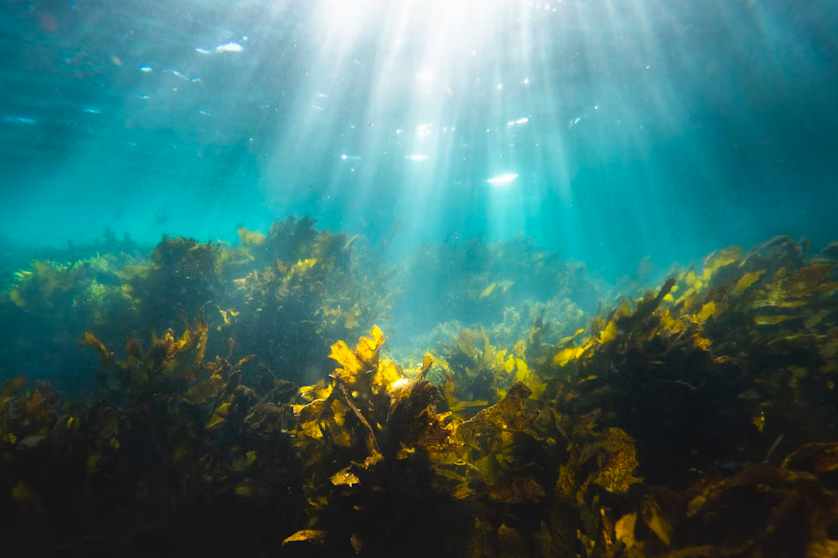
Effects of increasing water temperatures on survival and growth of ecologically and economically important seaweeds in Atlantic Canada: implications for climate change
Article Affiliation:
Department of Biology, Dalhousie University
Article Citation:
Wilson, K. L., Kay, L. M., Schmidt, A. L., & Lotze, H. K. (2015). Effects of increasing water temperatures on survival and growth of ecologically and economically important seaweeds in Atlantic Canada: implications for climate change. Marine Biology, 162, 2431-2444.
INTRODUCTION
In the opening scene of the show “The Last of Us,” a scientist describes a fictional global threat: fungi evolving to control humans as the Earth gets warmer, forcing them to adapt in unprecedented ways. While this scenario is completely fictional, it reflects a very real question: how do environmental changes drive species to adapt, survive, or fail? This journal article explores a similar concern. What is the impact of rising seawater temperatures on macroalgae species? The researchers examine whether these marine organisms can adapt as the temperature of their underwater ecosystems increases annually.
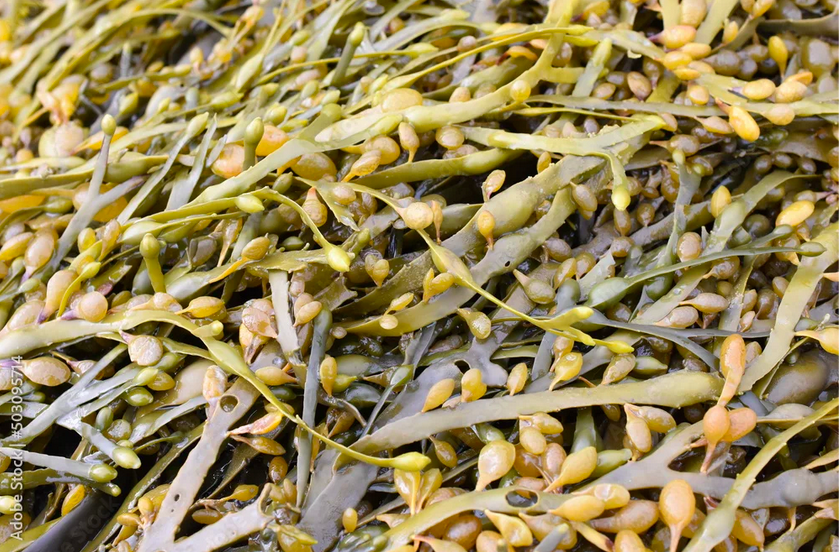
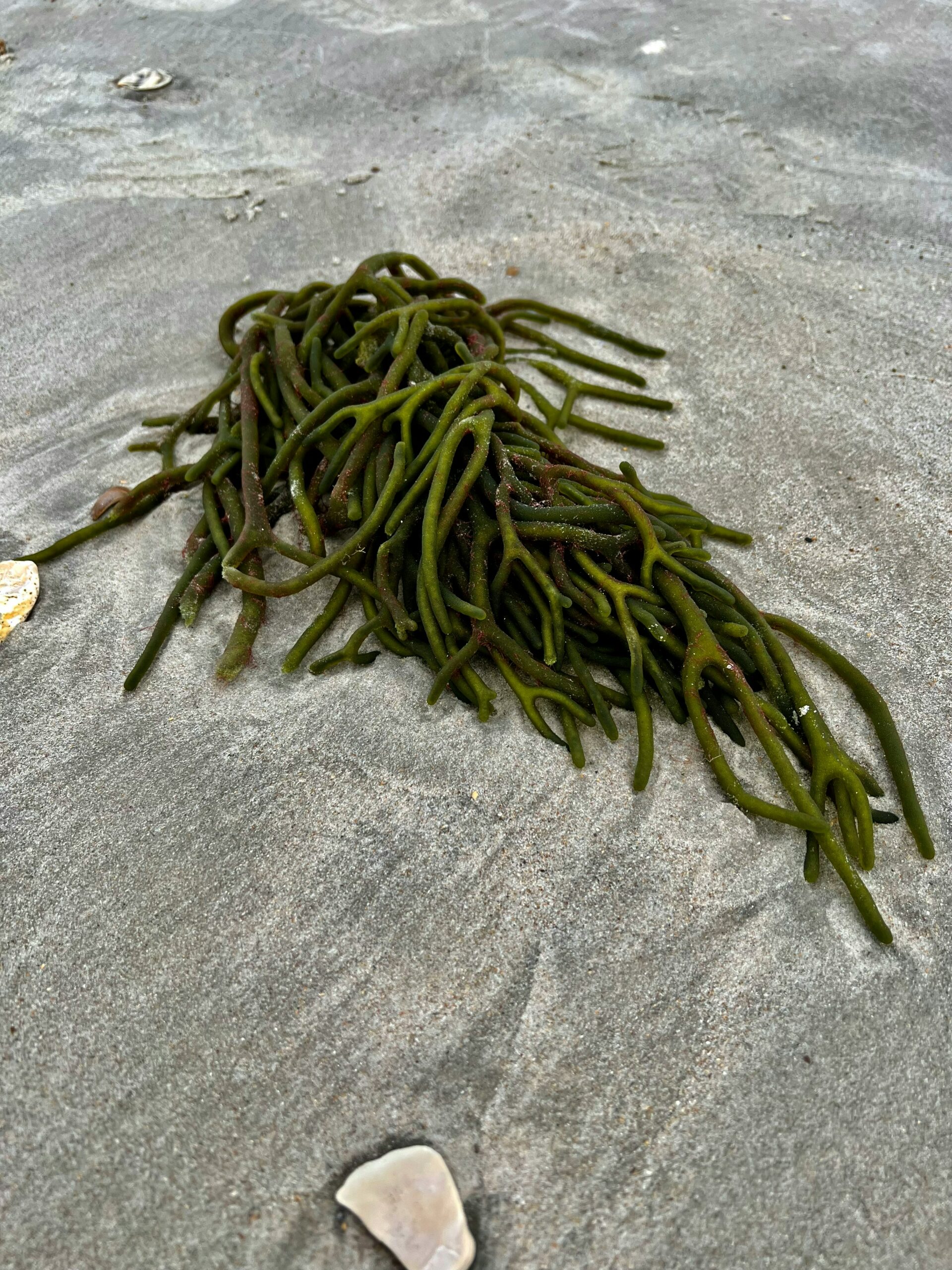
The study looked at how rising water temperatures affect the growth and survival of five seaweed species (Laminaria digitata, Ascophyllum nodosum, Fucus vesiculosus, Chondrus crispus, and Codium fragile) in Atlantic Canada. Seaweeds are important for marine ecosystems. They provide habitats, nutrients and help store carbon. Climate change is warming the ocean, which can harm these seaweeds. This research helps us understand how they will respond to climate change. Another important factor is that these seaweed species are economically important. At the same time, factors such as growth, survival, and nutrient uptake would have been negatively affected, it would be unique to each species rather than a general trend for all species.
The researchers tested their hypothesis by gathering all five species and exposing them to various temperatures ranging from 12 to 29 degrees Celsius. As a standard procedure, they had five replicates for each species. The research was carried out for 9 weeks, and at the end of the study, the species were analyzed for carbon and nitrogen content.
RESULTS AND DISCUSSION
The study proved their hypothesis by finding significant differences (reductions) in growth and survival among the seaweed species at varying temperatures. In terms of survivorship, C. fragile was the only species that survived in all replications. In contrast, L. digitata was the most sensitive to temperature change, and none of the samples of this species survived past one week at 26 and 29 degrees Celsius. In terms of growth rates, after 56 days, L. digitata, C. crispus, and F. vesiculosus had the highest growth rate at 12 degrees Celsius. C. fragile and A. nodosum had the highest growth rate at 20 degrees. This means that the impact of temperature change is not uniform across all species. The researchers expected the percentage of both nitrogen and carbon to vary with species, but they also found that there was variation in temperatures. The highest increase in nitrogen content for temperature variation was found in L. digitata. Furthermore, the highest increase in carbon content is C. crispus.
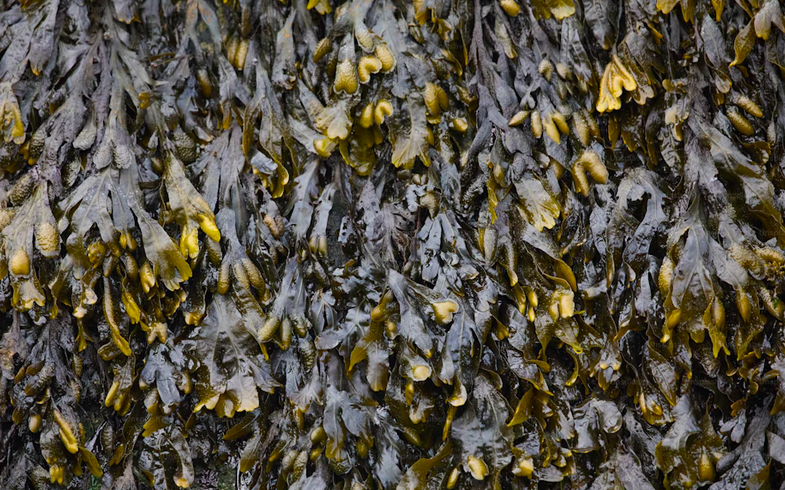
This research is crucial for various reasons. Seaweeds are part of the marine ecosystem and, therefore, are crucial for marine life. The extinction of seaweeds will cause an imbalance in the ecosystem, causing further and more extreme damage. This study shows how warmer water temperatures could harm certain species of seaweeds. It shows the importance of calingl for action to protect ecosystems. These seaweeds are also important economically as they are harvested in the Atlantic Canadian region.
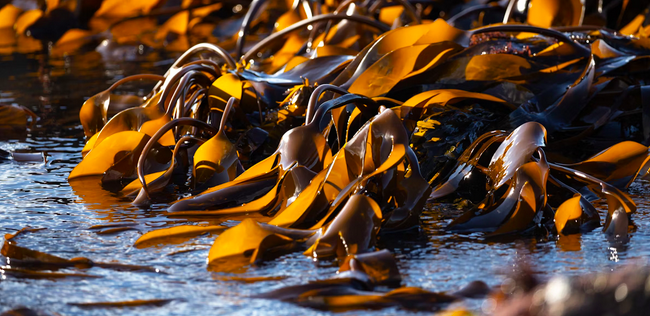
Furthermore, there has been evidence that when A. nodosum was removed from the area, whether through clearing or harvesting, other species replaced it. The article mentions further that even after a decade, A. nodosum has not returned, suggesting a more permanent removal of the species from the given area. This means that economically important seaweeds might be replaced by more invasive species, leading to the potential extinction of such seaweeds.
CONCLUSION
The researchers have conducted very important research showing how various seaweed species are impacted by the increasing water temperature. While there are a lot of differences between the lab environment and the natural environment, it does give us a sense of what would happen to these marine ecosystems if global warming persists. Just like in the movies where a few groups of good guys save the day, can we?
Leave a Reply