Author: Tomas Wang
Date: August 26, 2026
Area of Impact:
Atlantic Canada
Article Information and Location:
Oceans dangerously acidic from carbon emissions, report warns
Sam Farley, CBC News, Sep 24, 2025
INTRODUCTION
Sustainability is defined as the ability to maintain. When a human activity is sustainable, it means that it has no impact on the environment; more precisely, it means that nature could regulate the activity’s negative impact, thus achieving no overall impact. Nevertheless, many human activities are unsustainable — nature fails at regulating their impacts. As unsustainable activities persist, their impacts gradually accumulate until a point of no return is reached. Global warming, chemical pollution, and the ozone layer are all examples of such accumulations. Unfortunately, scientists have recently detected a new problem — another buildup that has reached a dangerous state — it is the acidity in the ocean.
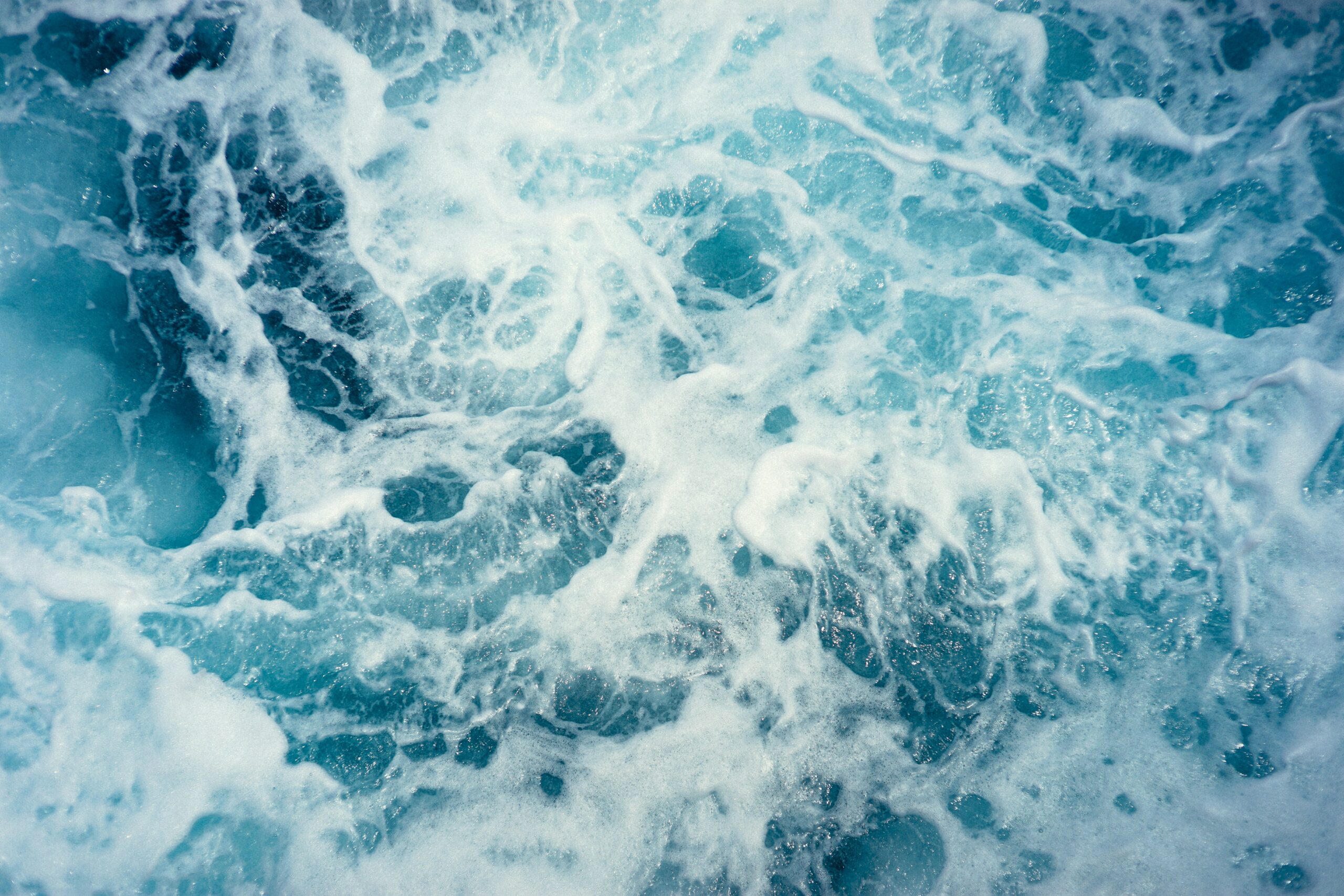
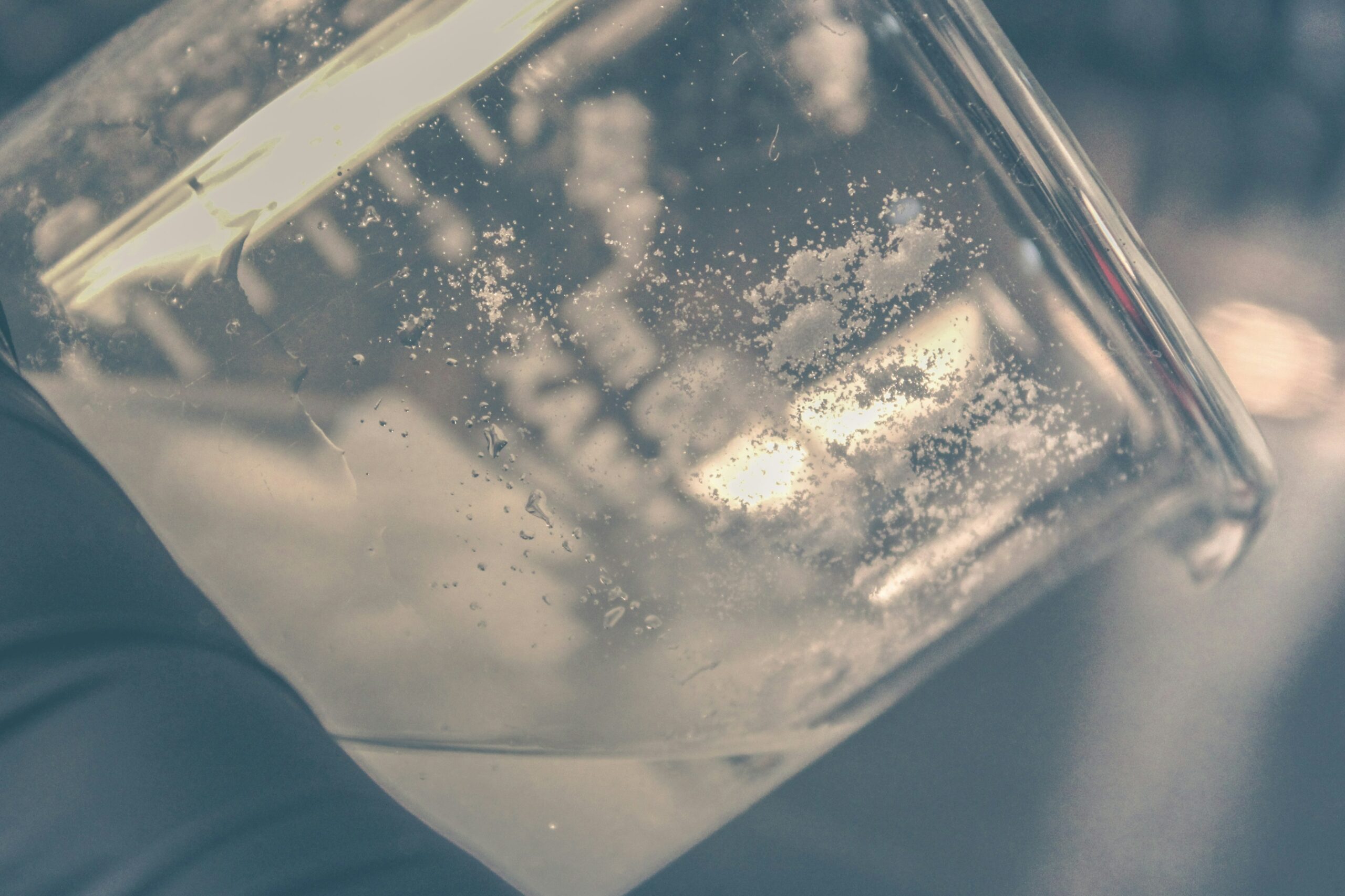
The article Oceans dangerously acidic from carbon emissions, report warns details the new report around ocean acidity and its impact on both wildlife and humans. The ocean’s acidity comes from exposure to carbon dioxide. Upon contact, water and carbon dioxide react chemically to form carbonic acid, which makes the water acidic. This reaction isn’t abnormal in nature; the environment is capable of sustaining the acidity within a safe range. However, due to unsustainable human activities, the acidity in the ocean continues to rise.
INFORMATION AND SIGNIFICANCE
In the scientific study of nature, measured quantities are bounded in ranges that are considered normal. Currently, the ocean’s acidity falls beyond the accepted range and continues to increase. When the levels of acidity reach a dangerous state, it would have catastrophic outcomes. Johan Rockström, director of the Potsdam Institute for Climate Impact Research, warns the public, “And once you are at the upper end of the uncertainty range … you enter the red zone, the high-risk zone where most science agrees that we are very likely to depress buttons that will cause irreversible changes, basically committing ourselves to drifting away from livable conditions on Earth.”
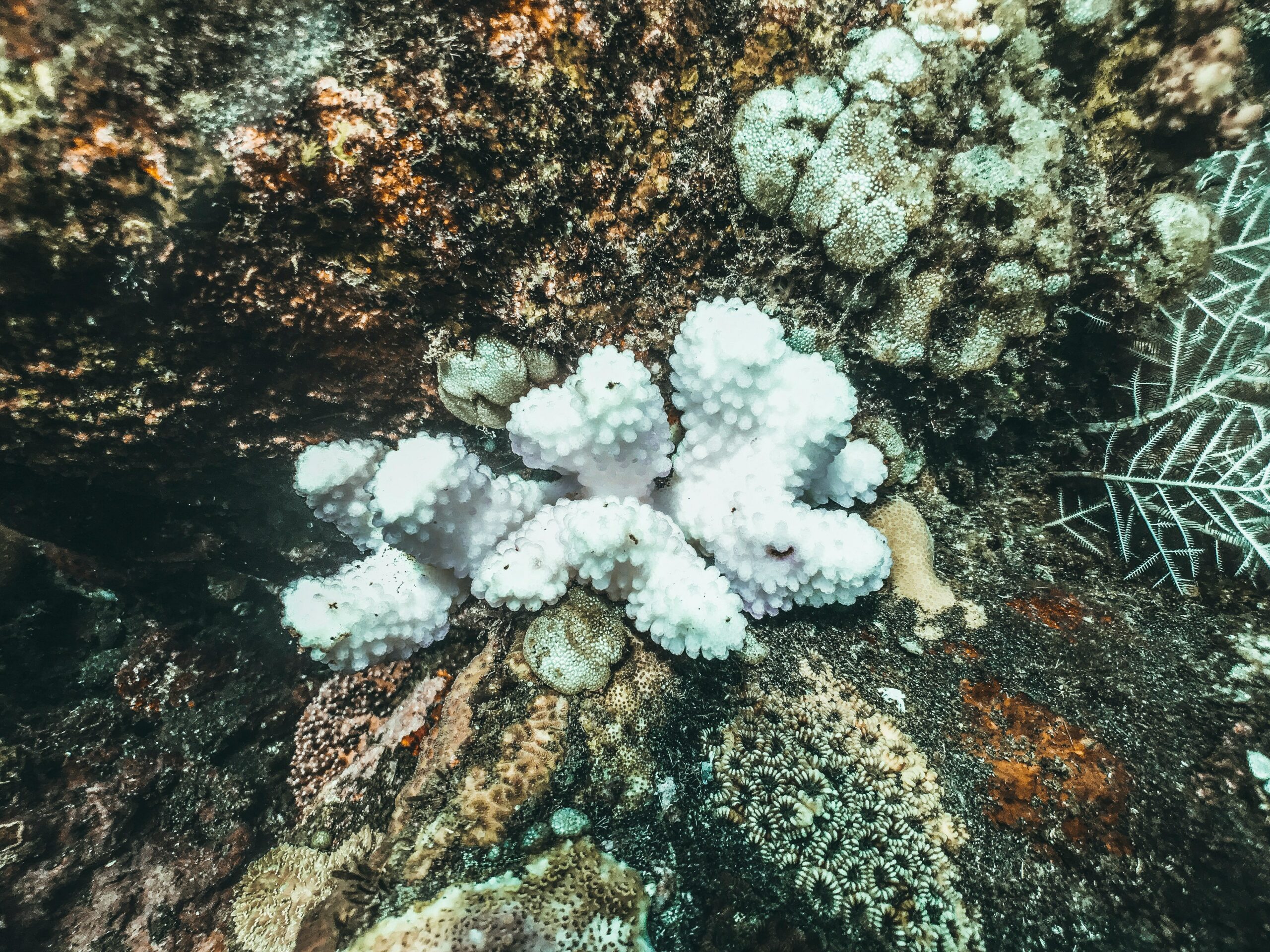
We are still quite a long way from the “red zone” and its malicious outcomes. Nevertheless, the rising acidity still has significant impacts on the world today. Species native to the ocean, such as shellfish and coral, depend on a regular acidity for survival; the rising acidity decreases the availability of a particular mineral, which these species need to build their body. Furthermore, animals such as crabs rely on smells to navigate the ocean. A rising acidity hinders their ability to acquire food sources.
To human society, the continuing rise of ocean acidity remains a potent problem. The rising acidity contributes to climate change. Most of Earth’s carbon dioxide is absorbed by the ocean, which covers 71% of Earth’s surface. As acidity rises, the ocean becomes “saturated” with carbon dioxide and slowly loses its ability to absorb carbon dioxide. Consequently, the rising acidity further enhances the impact of other outcomes of climate change, such as global warming. The rising acidity also affects the human economy, notably the seafood business. Christopher Harley from the University of British Columbia says that “If you’re an oyster grower, you care about that, because you want your oysters to grow quickly to market size.”
The rising acidity in our oceans impacts all countries throughout the world. Nevertheless, its impact in Atlantic Canada is particularly significant. Atlantic Canada is renowned for its seafood business. As animals such as crabs and shellfish become affected by the rising acidity, Atlantic Canada could possibly face great economic challenges. Furthermore, as coastal or island provinces, Atlantic Canada will be directly impacted by the rising sea levels, which the Ocean’s acidity indirectly contributes to. Similarly, the Canadian Arctic faces similar challenges. Research shows that the Arctic Ocean faces the most intense increase in acidity. The rising acidity will doubtlessly impact these regions.
CONCLUSION
As the ocean’s acidity continues to rise above the “safe zone”, we must be quick to reverse its malicious outcomes. The only way to do so, according to Iria Gimenez, research scientist at the Hakai Institute, is “a dramatic reduction in carbon dioxide emissions to the atmosphere”. To achieve such a dramatic reduction requires the work of all humans combined. We must work together in the war against climate change and save our beloved environment.
Leave a Reply