Author: Tomas Wang
Date: July 28, 2026
Area of Impact:
Newfoundland and Labrador
Article Information and Location:
Sobering setbacks and a proposed emissions cap raising concerns for N.L.’s oil sector
Terry Roberts, CBC News, December 3, 2024
INTRODUCTION
Gas and oil have been utilized by our species for millennia; they were used by ancient civilizations for light and heat, and were brought to the podium after the Industrial Revolution. Currently, gas and oil remain the most abundant means of energy generation. Nevertheless, the impact of gas and oil extends far beyond energy, creating jobs for millions and generating profits well beyond the billion-dollar mark. However, after these fossil fuels have been dug up for decades, it was discovered by scientists that they release greenhouse gases into the atmosphere. Oil and gas are leading causes of climate change, and we need to minimize their usage if we want to save our planet. However, knowing the profound impact oil and gas have on our society, the above proves itself as a difficult task.
The article Sobering setbacks and a proposed emissions cap raising concerns for N.L.’s oil sector details the emission cap on oil and gas that the federal government plans to place on Newfoundland and Labrador and the implications it has on the oil and gas sector of the province. Although Newfoundland and Labrador isn’t the largest producer of oil and gas, the impact of the industry on the province is beyond the shadow of a doubt. But it must also be noted that the growing impact of the oil and gas industry on the environment. Therefore, the righteousness of this proposed cap becomes a dilemma between environmental needs and social needs. The article explores this idea.
INFORMATION AND SIGNIFICANCE
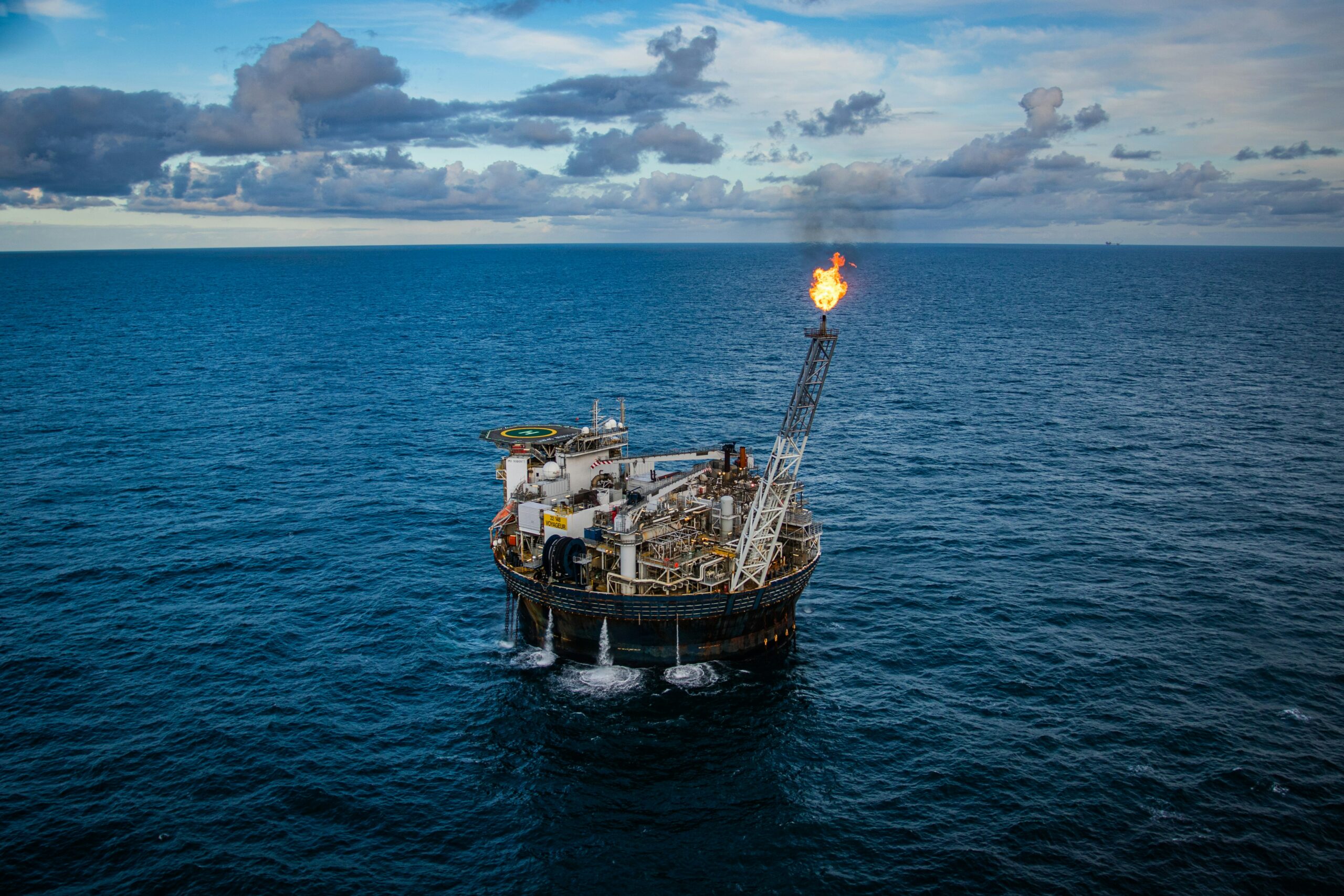
Even before the emission cap proposal, the oil and gas industry of Newfoundland and Labrador was already not looking great. The oil and gas industry in Newfoundland and Labrador relies on what’s known as offshore exploration, which is when the companies look beyond the landmass of the province and into the ocean for oil deposits. However, offshore exploration has sparked no interest in the past few years. During this year, 41 parcels of offshore exploration were offered, but none were taken. No major discoveries were made, and the company Equinor put an end to a massive project last year due to a lack of progress.
The emission cap will be another heavy blow to the industry. This emission cap is proposed to reduce the greenhouse gas emissions below 35% of the 2019 emissions by 2030. Many believe this cap will reduce attention on the industry and create uncertainty. Funds will be flowing into other countries, like Brazil, that do not impose an emission cap. However, there is still hope. Federal Environment Minister Stephen Guilbeault believes that alternative ways of collection may increase oil and gas production despite the emission cap. He said: “The detailed analysis we tabled today shows production in the oil and gas sector by 2030 will increase by 16 per cent, while pollution will reduce by 35 per cent.” Nevertheless, resentment of the emission cap is still great within the province. Premier Andrew Furey announced publicly that he would oppose “any approaches that have the effect of capping oil and gas production”.
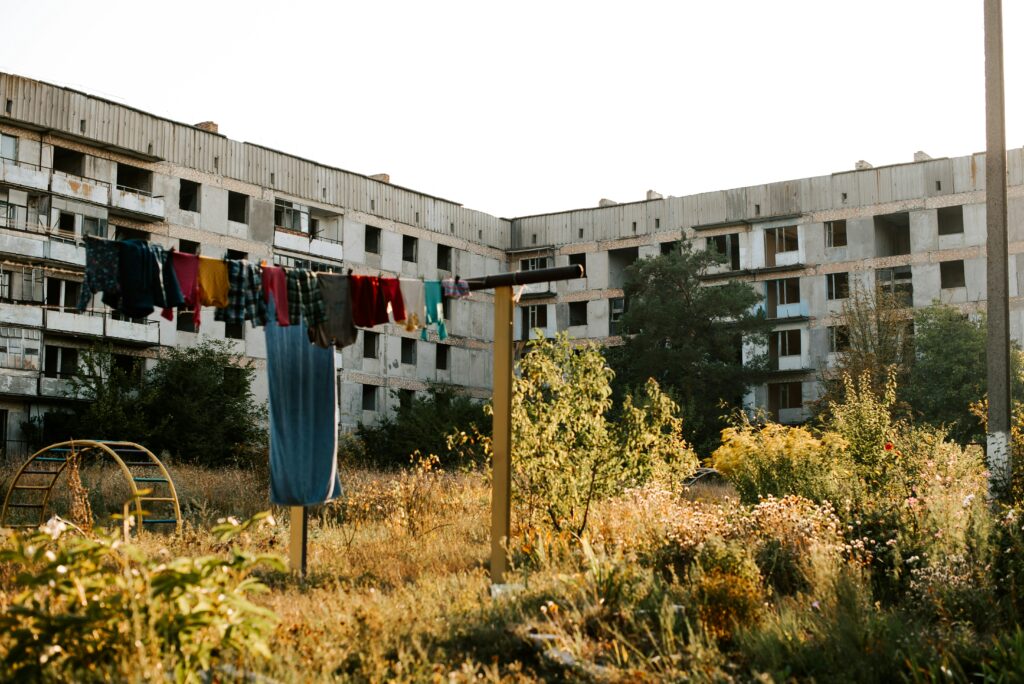
This event is, indubitably, meaningful to the residents of Newfoundland and Labrador. Both possible results of this event would be influential to the people. If the emission cap is put in place, great turmoil will dominate the oil and gas industry of the province. The plausibility of the alternate methods of collection is still uncertain, and the emission cap could possibly affect the job market and the economy of Newfoundland and Labrador. On the other hand, if the implementation of the emission cap is to be stopped, then the environment of the province will gradually worsen as time elapses. Therefore, this is definitely a piece of news that one should be knowledgeable about.
CONCLUSION
At the moment, the federal government, the provincial government of Newfoundland and Labrador, and others are still working hard to figure out the final result of this controversy. It may be beneficial, whether you live in the province or not, to pay attention to the following news. The emission cap might be placed, or it might not. There may be a severe effect on the oil and gas industry, or it may work out just fine. At this moment, as a resident, there is no way to know. All we could hope for is that the ones we elected to represent us will make a decision that works out for everybody.
Leave a Reply