Author: Reeju Francis Leonard Gomes
Date: July 28, 2026
Article Title:
Climatic and Environmental Changes Affecting Communities in Atlantic Canada
Article Affiliation:
Department of Biological Sciences, Brock University
Département de développement régional et territorial, Université du Québec à Rimousk
Article Citation:
Vasseur, L., Thornbush, M., & Plante, S. (2017). Climatic and environmental changes affecting communities in Atlantic Canada. Sustainability, 9(8), 1293.
INTRODUCTION
Earth is going through climate change, and along with it comes a complicated, intertwined list of consequences. One of the many consequences of climate change is the impact on the people and the communities, especially those that are remote and not populated. These communities sometimes, unfortunately, do not gain the appropriate attention from the government, which is crucial for their survival in the era of climate change.
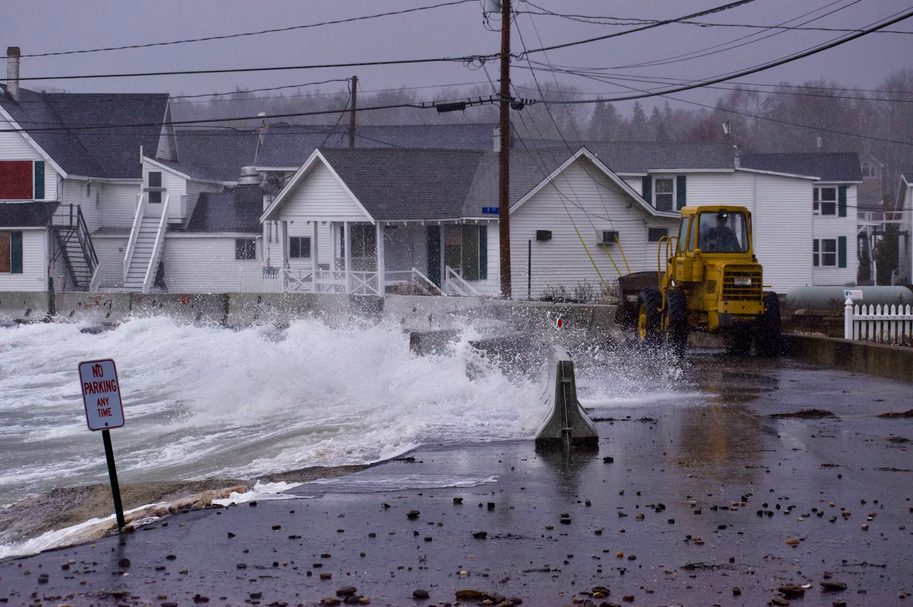
This research looked at the impacts of storms in December 2010 and January 2011 on coastal communities in Atlantic Canada, including Québec, New Brunswick, and Prince Edward Island. These communities face risks like rising sea levels, stronger waves, and flooding. It is important to understand these impacts to create strategies for protecting these vulnerable communities.
The study adds to a larger project called Coastal Community Challenges-Community-University Research Alliance (CCC-CURA) by exploring how physical and social changes are connected. The objective was achieved as the researchers interviewed residents from these communities in 2011–2012. The interviews were conducted both in couples and individually, and the researchers asked questions regarding the residents’ experiences during the storms, views on future changes, and ideas about resilience. With the help of the information from the residents it helped researchers identify patterns in how the communities experienced and adapted to these challenges.
RESULTS AND DISCUSSION
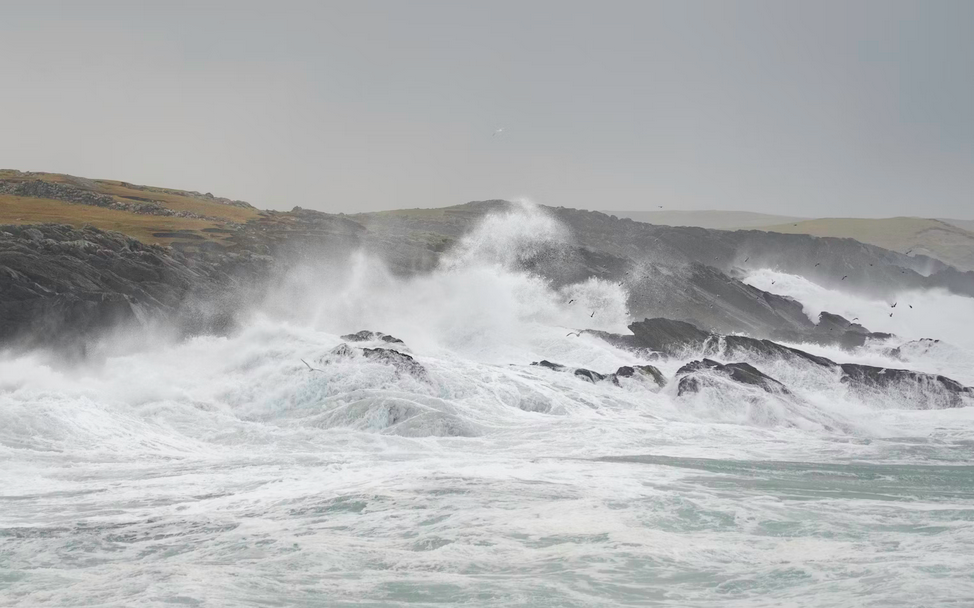
The study found that the 2010 storms caused serious damage to several coastal communities in Atlantic Canada. In areas like Ste.-Flavie, the increase in storms and unpredictable weather has led to erosion and land loss. Other regions like PEI faced more intense storms, rain, shorter storms, changes in the direction of the wind, and less ice and snow, among many other changes. This consequently meant more erosion and higher river siltation. Human activities, such as deforestation and building protective walls, also contributed to coastal damage by disrupting natural processes. When a link between a physical change and its impact on society was attempted, it was found that in a place like Ste.-Flavie, where the ecological impact was erosion and loss of lands, the social impact was out-migration, nervousness, conflicts, and a strong desire to reduce the environmental damage. While the research emphasizes the importance of community-based and government-supported adaptation strategies, it also notes the complexities of implementing solutions like coastal retreats or hard protection structures.
A major strength of the study is that the researchers interviewed the residents who were present at the time of the storm. This enabled the researchers to gain perspectives on the issues from the victims, removing any exaggeration or bias through word of mouth or secondary data sources. However, a weakness lies in the lack of long-term data on the effectiveness of proposed adaptations and the broader socio-economic impacts.
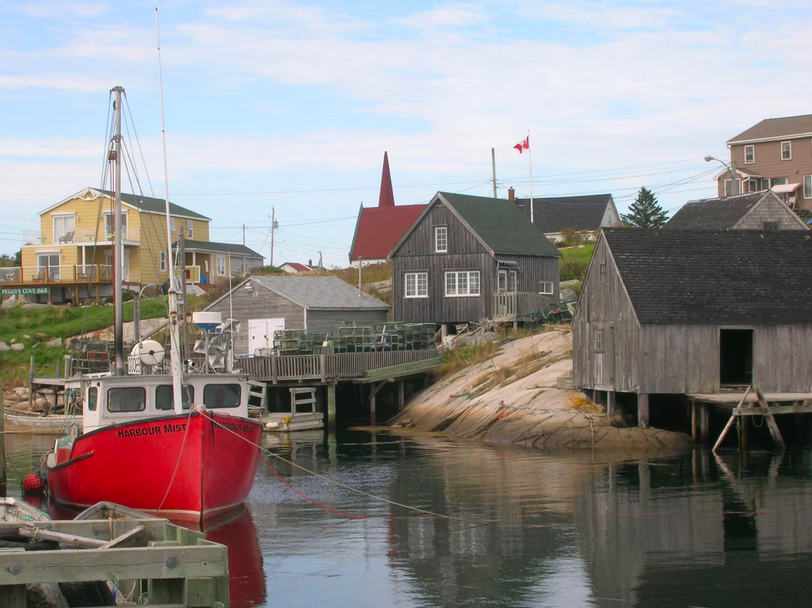
The research highlights the vulnerability of Atlantic Canadian communities to climate-induced risks, especially in communities with an aging population. Furthermore, it emphasizes the need for tailored adaptation strategies. For residents, these findings validate their lived experiences of landscape and socio-economic changes. For Atlantic Canadians, the study addresses climate change impacts and requires integrating local knowledge with scientific expertise, improving emergency planning, and securing funding for sustainable adaptation measures.
CONCLUSION
The study shows that several challenges exist in the coastal communities in Atlantic Canada because of climate change. These include the increase in storms and rising sea levels. While alternative solutions are present, the complexity of the problem makes it difficult to come to an ideal solution. For example, the study highlighted that while relocation might be an alternative, many residents are not in favour of this. In addition, other residents mentioned that the government should take on more responsibility and act on this matter. Finally, the solutions should focus on both short-term and long-term needs, focusing on both the physical and social impacts of climate change.
Leave a Reply