Author: Tomas Wang
Date: August 25, 2026
Area of Impact:
Atlantic Canada
Article Information and Location:
Province tells Nova Scotia Power to burn more wood to generate electricity
Taryn Grant, CBC News, March 14, 2025
INTRODUCTION
The pursuit of energy has been the central driving of human development throughout history; from the discovery of fire to the first internal combustion engine to the universalization of electricity, energy has driven our species forward. However, accompanying the advancement is a great evil — climate change. In the post-industrial era, the mass burning of fossil fuels released greenhouse gases into the atmosphere, resulting in countless repercussions. Consequently, we have adapted other forms of energy generation to continue the pursuit of energy. These alternative forms of energy generation are mostly harmless, yet some are fairly problematic. Biomass is a great example.
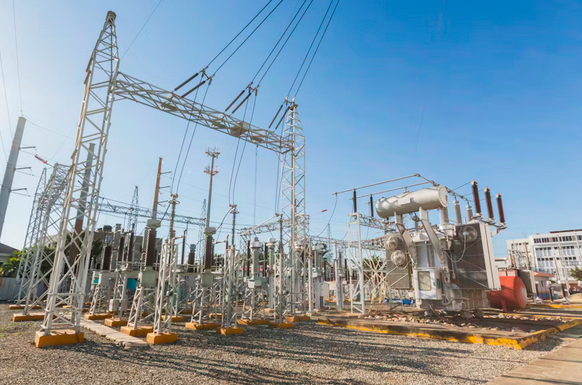
The article Province tells Nova Scotia Power to burn more wood to generate electricity details the Nova Scotia government’s order to increase the use of biomass for electricity and the controversy around this order. Biomass is any organic material and it functions just like fossil fuels. The Nova Scotia government has recently ordered the company Nova Scotia Power to generate 160 gigawatt hours of energy using biomass annually until the year 2027. This is a continuation of the previous regulation of 135 gigawatt hours. However, this decision is not agreed upon universally.
INFORMATION AND SIGNIFICANCE
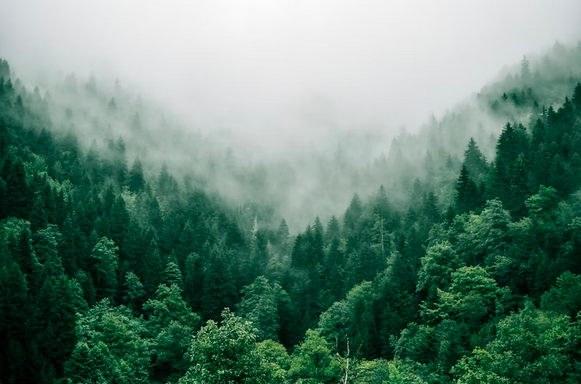
Unlike renewable energy, the burning of biomass does in fact release carbon dioxide. However, it is often perceived as a carbon-neutral fuel. This is because when a tree turns to biomass, a new tree is planted in its place. It is commonly believed that the new tree’s absorption of carbon dioxide through photosynthesis will compensate for the carbon dioxide released by the burning of the carbon dioxide. There are many who oppose this belief. Ray Plourde of the Ecology Action Centre said “There is nothing clean or green about burning forest biomass to produce electricity.” He noted that the time required to recapture carbon dioxide is around 100 years, which is too long. He also commented that “those trees are already storing carbon, and if left alive and standing, would continue to sequester more atmospheric carbon from all the other global point sources of emissions.”
Despite the opposition, the government also took precautions that limited the damage. The government stated explicitly that the biomass will only come from the residue of forestry and will not involve forestry just for acquiring biomass. Todd Burgess, executive director of Forest Nova Scotia, commented that “Nova Scotia has an abundance of forestry residuals. We need opportunities to use that resource”. Furthermore, Energy Minister Trevor Boudreau said that this policy will provide the time for renewable energy projects to become fully functional. Boudreau’s department also said that the energy from biomass would be “comparatively priced” and wouldn’t affect the power rate drastically.

This new regulation in Nova Scotia has of significant impact on the residents of Nova Scotia and will impact the entire Atlantic Canada. If this regulation proves to be beneficial, it will positively impact the environment of Nova Scotia through the establishment of renewable energy projects. This regulation will also bring the excess biomass into use. As an integral part of Atlantic Canada, this change will positively impact Atlantic Canada’s efforts against climate change. If this regulation proves to be harmful, it will further damage the environment of Nova Scotia and Atlantic Canada through the release of carbon dioxide.
CONCLUSION
This decision of the Nova Scotia government has the potential to be beneficial or disastrous. The ongoing debate between expectations still continues to this day. Whatever the outcome may be, this regulation is, nevertheless, an attempt to combat climate change in Atlantic Canada. And whatever the result of this decision may be, one thing is certain. Climate change must be defeated and it is our responsibility to take action.
Leave a Reply