
Author: Tomas Wang
Date: August 26, 2026
Area of Impact:
Nova Scotia
Article Information and Location:
Can charred wood help Nova Scotia farmers — and the climate?
Moira Donovan, CBC News, August 4, 2025
INTRODUCTION
Agriculture is one of the most ancient practices of the human race and still remains integral to society in the present times. Nevertheless, the practice of agriculture is still facing many challenges; Atlantic Canada, in particular, is affected by the freeze-thaw cycle, which affects the stability and fertility of soil. Agriculture also greatly affects the environment. Chemical fertilizers used in agriculture bring pollution to nature. Processes such as the freeze-thaw cycle also release greenhouse gas into the atmosphere. Scientists in Nova Scotia propose a solution that solves the practical and environmental challenges of agriculture. The solution is called biochar.
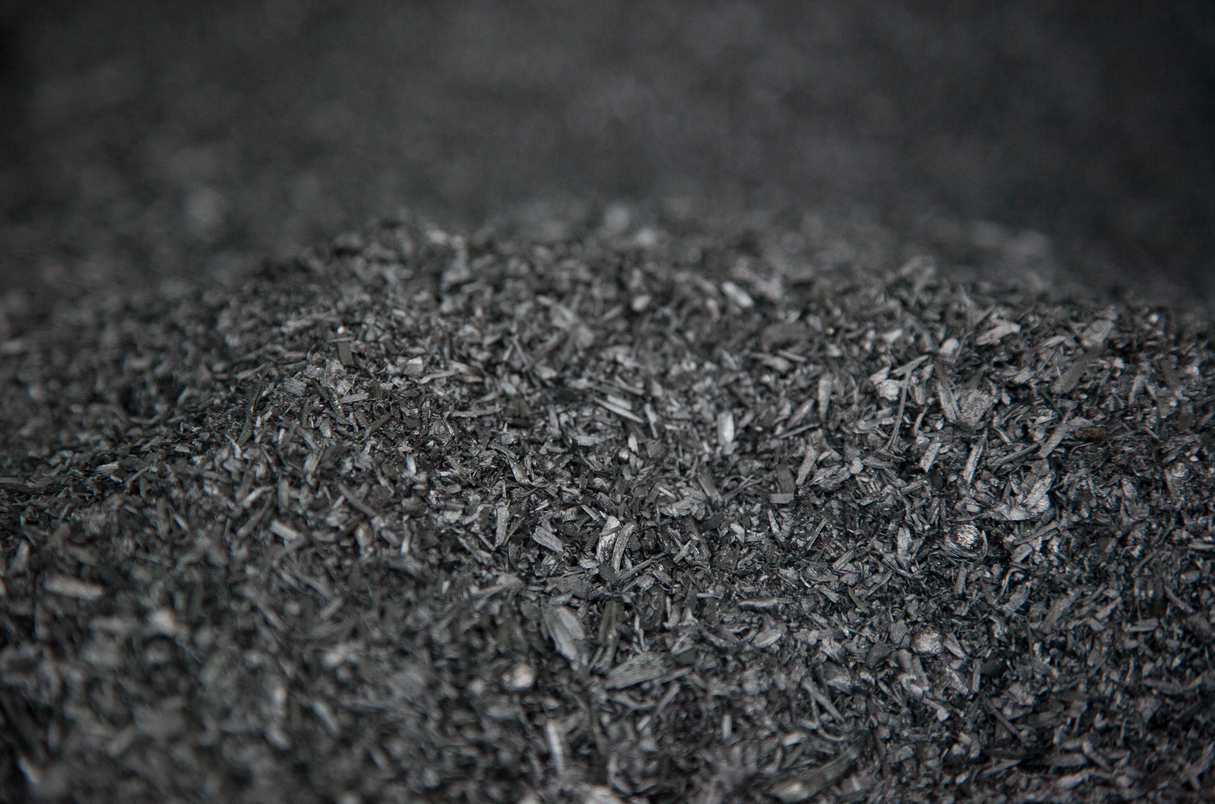
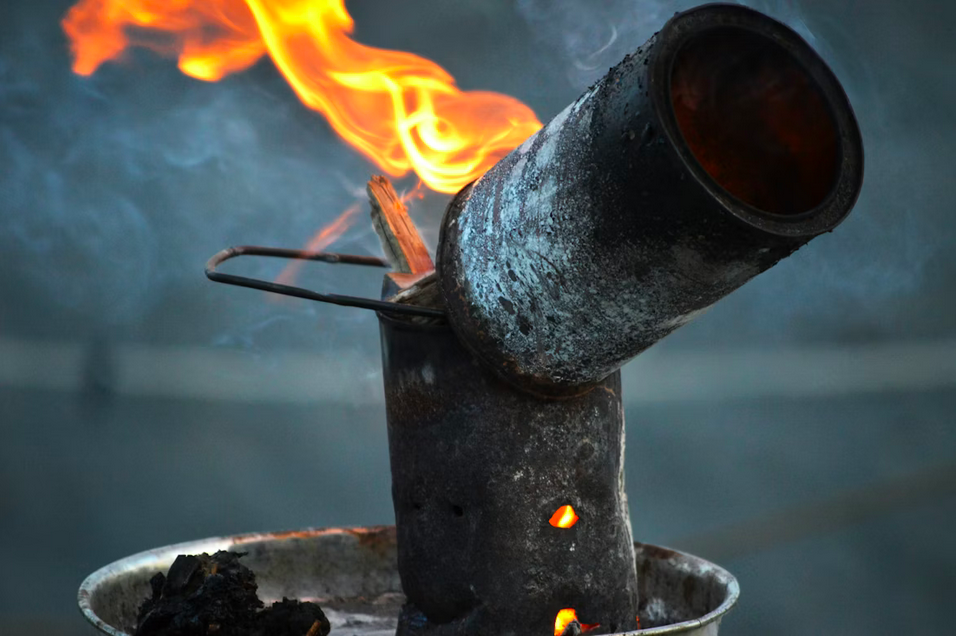
The article Can charred wood help Nova Scotia farmers — and the climate? details the benefits of biochar and its prospects in the Nova Scotian market. Biochar, in the simplest terms, is a type of specially-produced charcoal. A process called pyrolysis takes place; wood is placed in extreme heat with little access to oxygen, which prevents the occurrence of combustion. The product yielded by pyrolysis is a material that is almost entirely composed of carbon.
INFORMATION AND SIGNIFICANCE
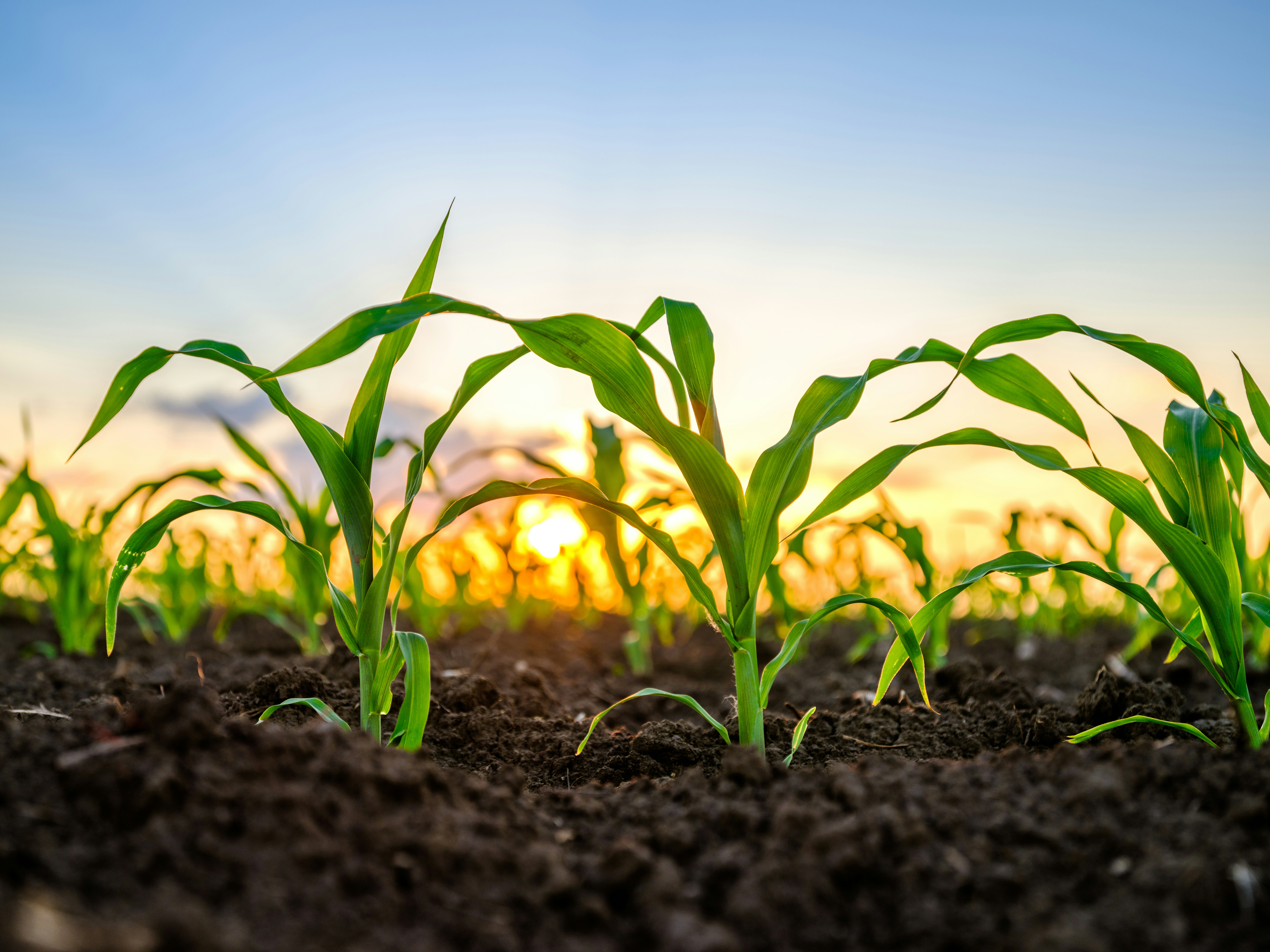
The application of biochar in agriculture is greatly beneficial. Biochar is a great absorbent of water. Biochar can absorb water equivalent to 27 times its mass — one gram of biochar for 27 grams of water. For this reason, the application of biochar can effectively contribute to the retention of moisture in soil. In Atlantic Canada, the freeze-thaw cycle results in the loss of nitrogen in soil, which greatly impacts the soil’s fertility and stability. The release of nitrogen, which is a greenhouse gas, also facilitates climate change. The application of biochar can help combat the freeze-thaw cycle by absorbing nitrogen, ensuring that the greenhouse gas is retained within the soil. The specialized structure of biochar, as a result of pyrolysis, creates a habitat for beneficial microorganisms. These microorganisms can positively benefit the development of crops.
It also must be noted that the processing of biochar is, on its own, beneficial to the environment. If scrap pieces of wood are burned, the carbon stored within the wood will be released into the atmosphere as greenhouse gas. However, if instead, the scrap pieces of wood undergo pyrolysis, the carbon will be retained within the biochar. In the world today, the burning of wood in forestry remains a notable factor contributing to climate change. If instead, all scrap pieces of wood are to be processed into biochar, the world’s greenhouse gas emissions could be greatly decreased.
Scientists have only recently discovered the effects of biochar in agriculture. Nova Scotian research scientists are still running experiments, intending to fully understand the capabilities of biochar. Consequently, the use of biochar in agriculture has not yet been popularized. Nevertheless, businesses are beginning to experiment with the possibility of biochar. The Polish reactor company RDA Technologies plans to bring their technologies to Nova Scotia for the production of biochar. Local companies such as BioBurn Pros are also interested in the possibilities of biochar. It is clear that there are great prospects of biochar in the Nova Scotian market.
The popularization of biochar could profoundly impact the province of Nova Scotia. In local farms, the use of biochar can effectively combat challenges such as the freeze-thaw cycle. Consequently, production of crops will increase, and the farming expenses will decrease. The price of agricultural goods in the supermarket may also decrease as a result. The production of biomass will also help Nova Scotia move toward net zero. As a coastal province, the reduction of greenhouse gas emission is particularly important to Nova Scotia. The popularization of biochar could also create business opportunities and improve the economy of Nova Scotia.
CONCLUSION
As research scientists continue to research biochar, hopefully this newfound solution will be popularized in the near future. In the present, however, it is important for us to consider the nature of biochar. Biochar is not just a solution to a problem, but an innovative approach to a difficult problem. It is impossible for us to reverse climate change with the technologies we have today — new solutions must be developed. The success of biochar is a solid step toward our ultimate goal, but it will take many more innovations for us to win the battle against climate change.
Leave a Reply