Author: Miranda Jacques
Date: August 6, 2026
Article Title:
Understanding how winter conditions in the North Atlantic affect the physiology and behaviour of Atlantic Salmon in sea cages
Article Affiliation:
Department of Ocean Sciences, Memorial University of Newfoundland
Cooke Aquaculture Inc.
Article Citation:
Sandrelli, R. M., Vadboncoeur, É., George, S., Ignatz, E. H., Swanson, A. K., & Gamperl, A. K. (2024). Understanding how winter conditions in the North Atlantic affect the physiology and behaviour of Atlantic Salmon in sea-cages. Aquaculture, 741777. https://doi.org/10.1016/j.aquaculture.2024.741777
INTRODUCTION
Atlantic salmon farming is a major industry in the North Atlantic, but climate change is making winter conditions more unpredictable. Rising ocean temperatures and shifts in seasonal patterns can increase stress on farmed salmon, affecting their health and survival rates. As climate change continues to alter marine environments, it is crucial to understand how winter conditions impact Atlantic salmon in sea cages to ensure sustainable aquaculture practices.
The researchers aimed to investigate how winter conditions impact the physiology and behavior of Atlantic salmon in sea-cage environments. This study is crucial as it addresses the challenges faced by salmon during winter, a period associated with increased mortality and health issues in aquaculture. Understanding these effects can help in developing strategies to mitigate winter-related losses.
In previous studies, it has been observed that prolonged exposure to cold temperatures can lead to the development of fatty liver disease (FLD) in Atlantic salmon. This condition is characterized by enlarged and pale livers and has been linked to increased mortality during winter months. The current research builds upon these findings by examining the specific physiological and behavioral changes that occur under winter conditions.
The researchers conducted experiments by exposing Atlantic salmon to simulated winter conditions in sea cages. They monitored various physiological parameters, including liver fat content, metabolic rates, and stress indicators. Additionally, they observed behavioral changes such as swimming patterns and feeding activity to assess the overall impact of cold exposure.
RESULTS AND DISCUSSION
The study found that prolonged exposure to cold temperatures led to significant physiological changes in Atlantic salmon. Notably, there was an increase in liver fat content, indicating the development of FLD. This condition was associated with elevated levels of stress markers and a decrease in metabolic activity. Behaviorally, the salmon exhibited reduced swimming activity and feeding behavior, which could further compromise their health during winter months.
These findings suggest that winter conditions pose a substantial challenge to the health and welfare of Atlantic salmon in sea-cage farming. The development of FLD and associated stress responses can lead to increased mortality if not addressed. The study highlights the need for interventions, such as dietary modifications or environmental adjustments, to support salmon health during winter.
As climate change alters ocean temperatures and weather patterns, winter conditions in the North Atlantic are expected to become more erratic. While some regions may experience milder winters, others could see extreme cold spells or sudden fluctuations in temperature. These changes could exacerbate stress in farmed salmon, increasing disease susceptibility and reducing overall survival rates.
Additionally, climate change may contribute to shifts in ocean currents and food availability, further affecting salmon health. The findings of this study underscore the importance of proactive aquaculture management to adapt to these environmental changes.
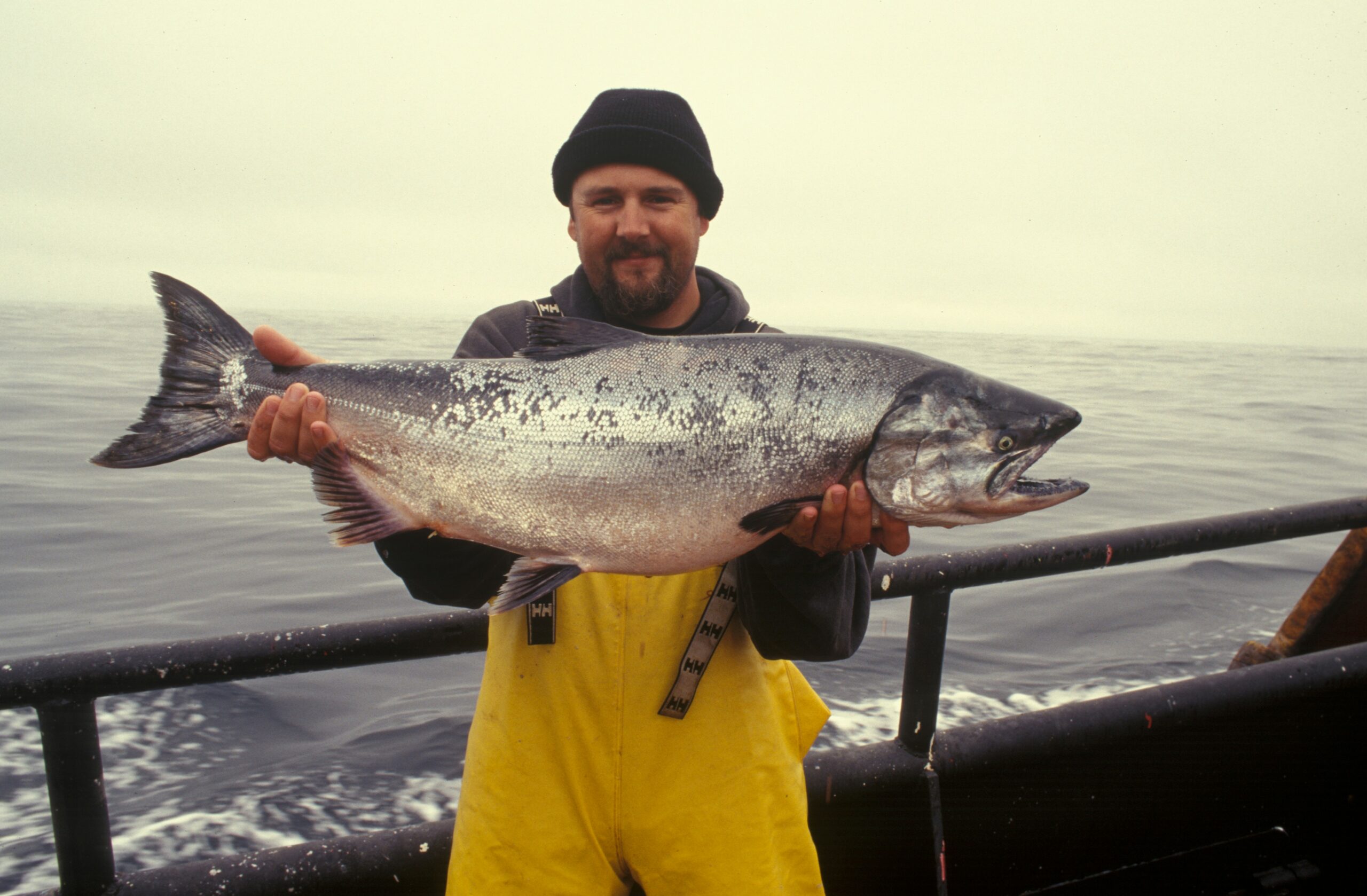
This research is significant as it provides insights into the specific challenges faced by Atlantic salmon during winter in sea-cage farming. For the general public, especially those in Atlantic Canada, this study underscores the importance of sustainable aquaculture practices. By understanding the impacts of winter conditions and climate change, farmers can implement strategies to improve fish welfare, ensuring a stable supply of healthy salmon and supporting the local economy.
CONCLUSION
In conclusion, the study demonstrates that winter conditions in the North Atlantic significantly affect the physiology and behavior of Atlantic salmon in sea cages. The development of fatty liver disease and associated stress responses highlight the need for targeted interventions to mitigate these effects. Additionally, climate change is making winter conditions more unpredictable, which could further challenge salmon farming. Addressing these issues is crucial for the sustainability and profitability of aquaculture in a changing climate.
Leave a Reply