
Author: Tomas Wang
Date: July 28, 2026
Area of Impact:
Nova Scotia
Article Information and Location:
New Halifax organics facility turns food waste into high-grade compost
Haley Ryan, CBC News, November 28, 2024
INTRODUCTION
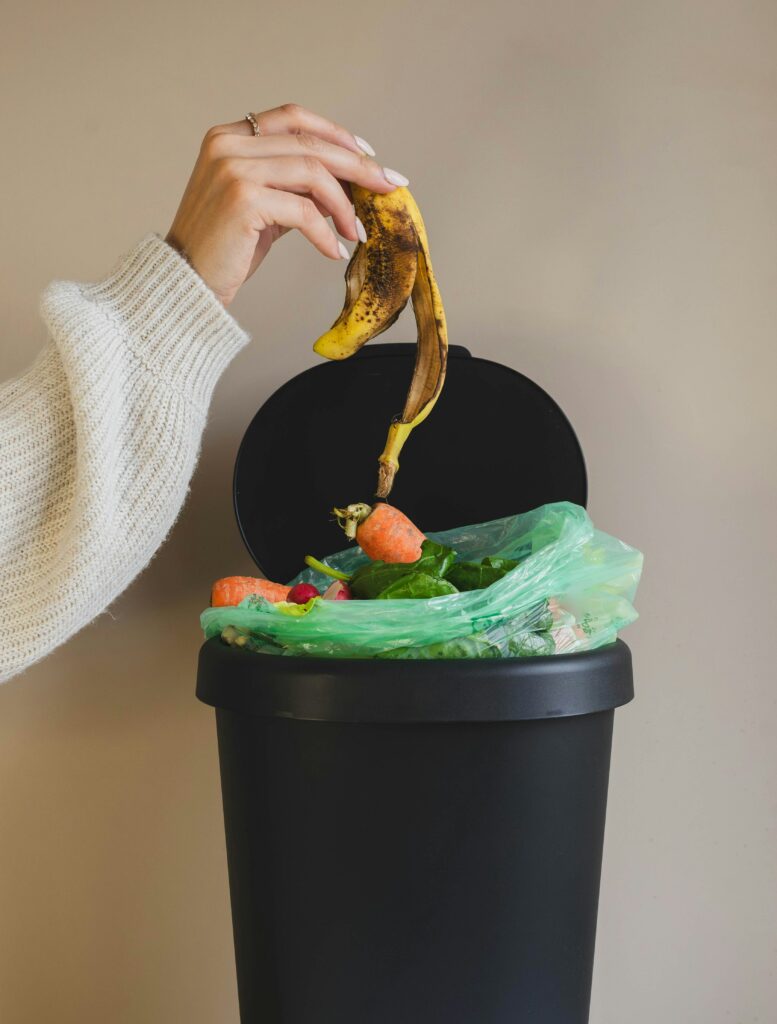
In the world we live in today, trash still remains one of the greatest threats to the environment. Garbage leads to air pollution and soil contamination, and some takes hundreds of years to decay fully. This is why garbage is segregated into waste, compost, and recyclables; composts are converted back into useful organic material, recyclables are recycled, and we unfortunately can’t do much about waste. Those categories are known more commonly by Canadians as the black, green, and blue bins. As we can see with our very eyes, our government is making active efforts toward the management of trash. One of the latest examples of our progress as a country is seen in Nova Scotia, with its new organic waste facility.
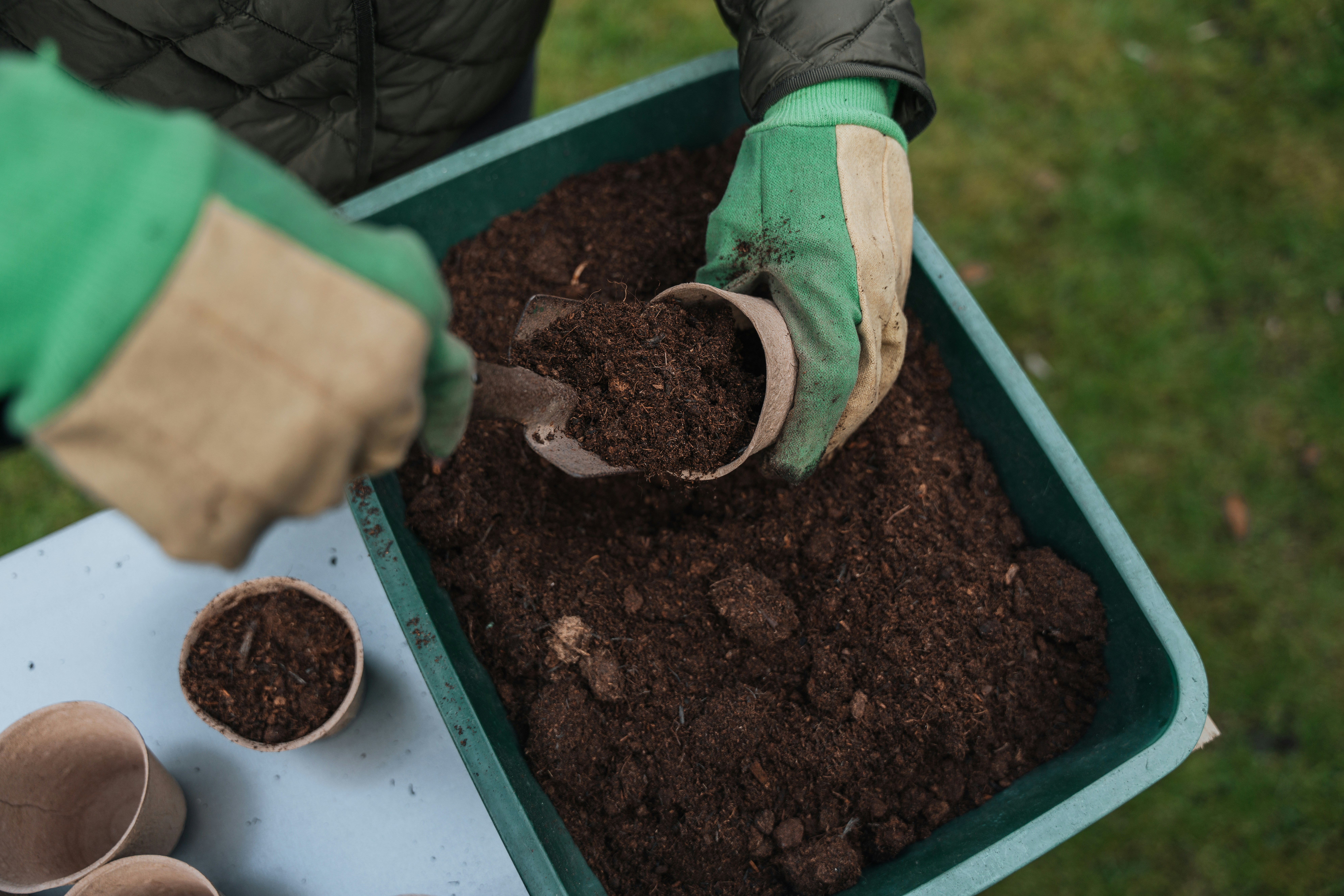
The article New Halifax organics facility turns food waste into high-grade compost details the new organic waste facility built in Nova Scotia, its improvements compared to its outdated counterparts, and what effect it will have on the province. Before the content of the article is discussed, it is inappropriate to leave the fundamental question unanswered: what is compost, and why is it important? Compost is defined as the organic material that undergoes decomposition. Whereas, organic material refers to any material that is or used to be alive, and decomposition is the process that converts organic materials into nutrient-dense materials that can be used as fertilizers. Composts are especially important because placing them in landfills will result in the release of methane, a greenhouse gas. The organic waste facilities mentioned earlier are facilities that produce compost on a mass scale to prevent the release of harmful methane gases. The new facility in Nova Scotia uses leading technologies.
INFORMATION AND SIGNIFICANCE
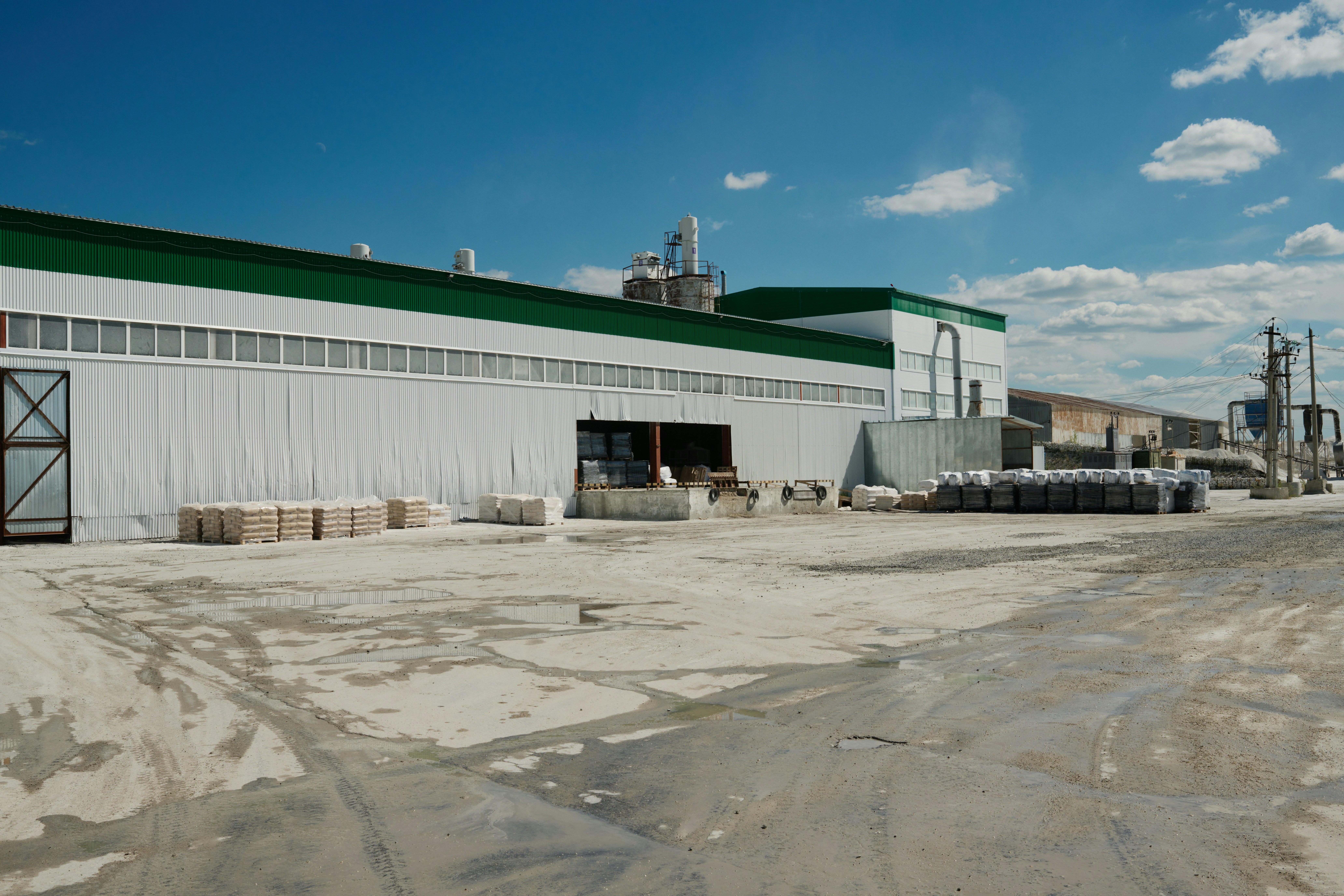
A $457-million facility was built in Goodwood, Nova Scotia. Opened in September, this facility is now in charge of all of the compost in the nearby region. This facility uses the newest technology. Sean Hagan, general manager for AIM Environmental Management, claimed that: “This is like a Ferrari compared to the jalopies, right? Not that there was anything wrong with the original facilities — they did their intended purpose — but this is the latest and greatest.” This new facility also tackles many problems previously associated with the old facilities. The new factory in Goodwood employs technology that controls the moisture, air and pH. The said factors have led to quality problems in the old facilities. Another significant problem with the old facilities is the smell. The process of producing compost is known for producing an irritating odour often despised by neighbours. This new facility placed a great focus on limiting the odour release, and this is, according to Kirk Symonds, manager of education and promotion for Halifax’s solid waste department, “really the big selling point.” The compost produced by this facility is planned to be available to the public through giveaways in the following year.
The importance of the new organic waste facility to the Nova Scotian is obvious; the new facility will improve the composting efficiency of the province and help combat climate problems. However, the symbolic significance of this new facility is more fundamental than the physical. We could see that efforts toward innovation and self-improvement were taken into consideration when this new facility was built. This idea of innovation is more important than the changes brought forth by one facility. If we want to have a chance at winning the battle against climate change, we must improve our methods as we go. If the innovative aspect of this new facility inspires more engineers to come, then this new facility would have served its purpose to the fullest extent.
CONCLUSION
Even if you are not a resident of Nova Scotia, the news of the new organic waste facility is still news that you should enjoy learning. The innovative approaches of this new facility are fascinating, and it is exciting to see the possible implementation of similar methods in new organic waste facilities throughout Canada. It is foreseeable that under this kind of mindset, the situation in our country will gradually improve. We must stay hopeful of the beautiful future that is to come.
Leave a Reply