Author: Miranda Jacques
Date: October 7, 2025
Taken from National Geographic

Article Title:
The North Atlantic Ecosystem, from Plankton to Whales
Article Affiliation:
Gulf of Maine Research Institute, Portland, Maine 04101, USA
Virginia Institute for Marine Sciences, Gloucester Point, Virginia 23062, USA
Article Citation:
Pershing, A. J., & Stamieszkin, K. (2020). The North Atlantic ecosystem, from plankton to whales. Annual Review of Marine Science, 12(1), 339-359
INTRODUCTION
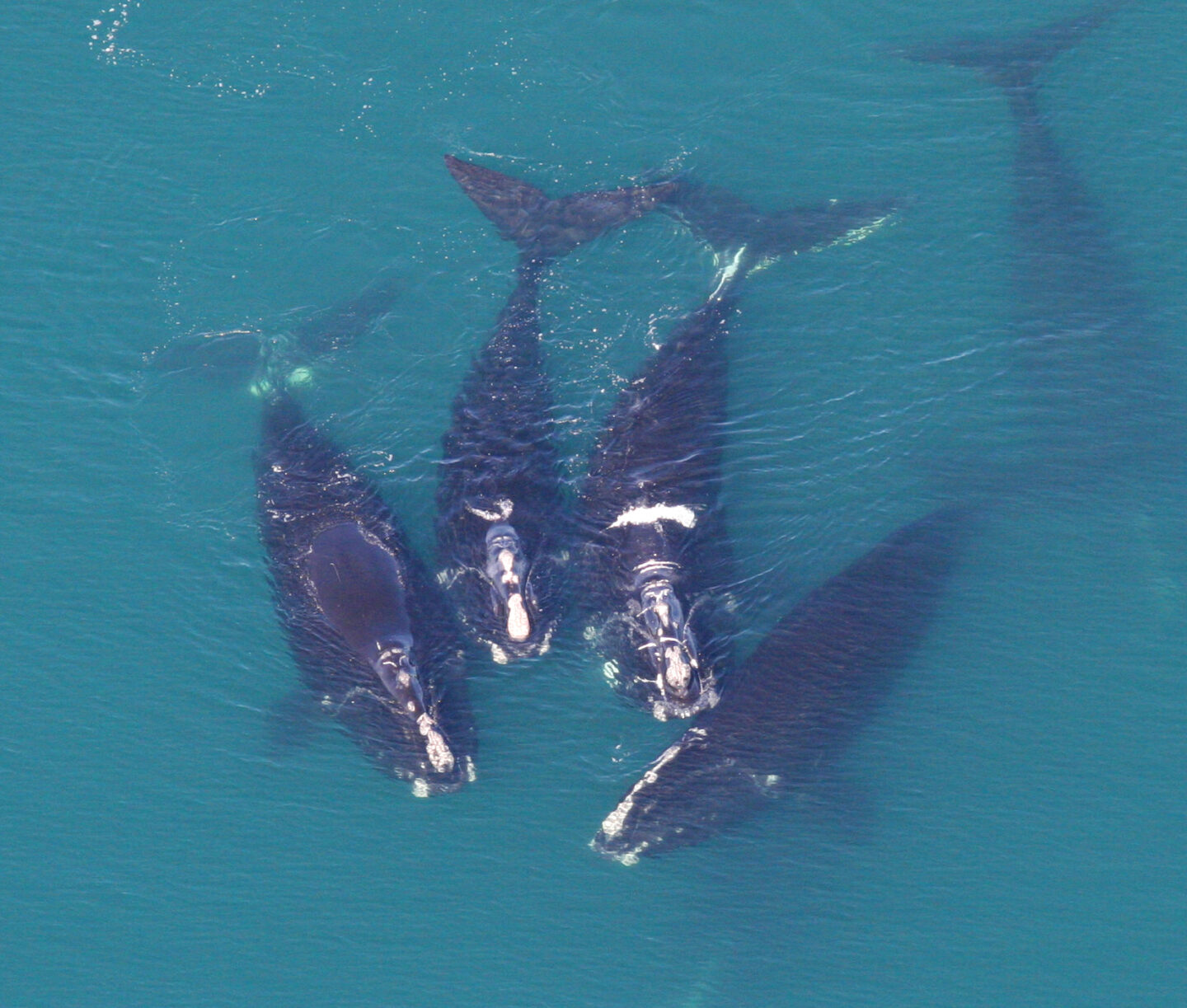
The article explores the impact of climate change on North Atlantic right whales, one of the most endangered whale species in the world. As ocean temperatures shift due to global climate change, the ecosystems that right whales depend on are being disrupted, presenting new challenges for conservation. This research dives into how climate variability affects whale populations by altering food availability and habitat use. Understanding these effects is crucial for developing effective conservation strategies and ensuring the survival of these whales.
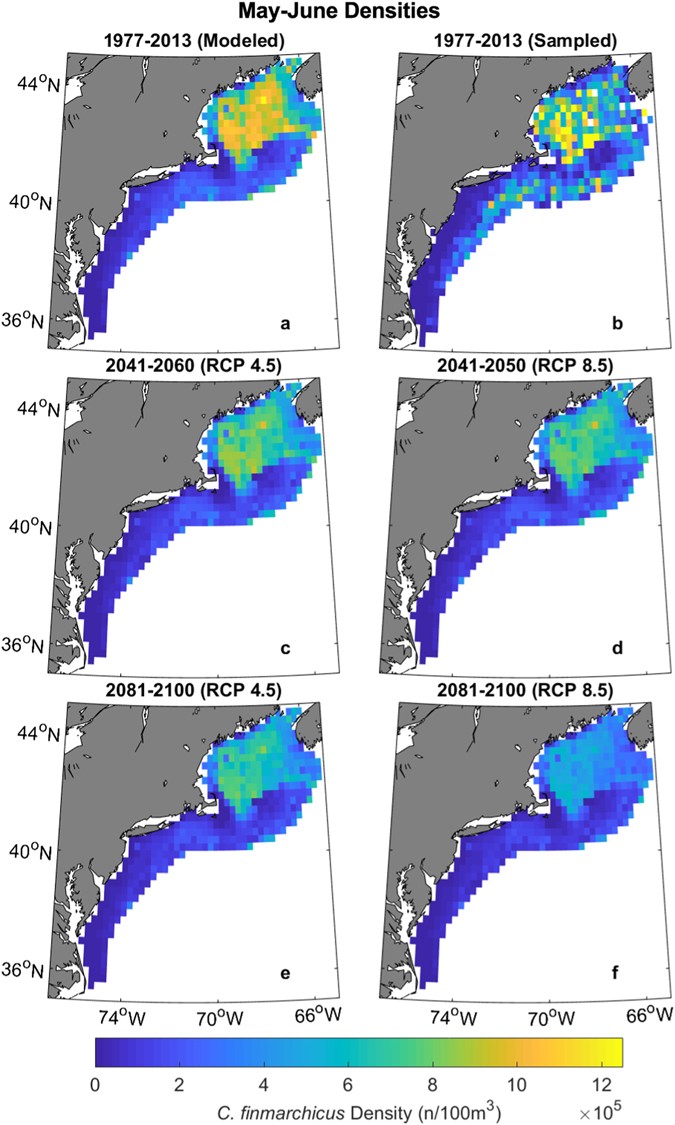
Pershing et. al. aim to address the question: How does climate change impact the conservation biology of North Atlantic right whales? This topic is highly relevant as climate change is affecting marine ecosystems globally, with potentially dire consequences for endangered species. In particular, right whales rely on a specific prey, Calanus finmarchicus (a type of zooplankton), whose abundance and distribution are influenced by climate variability.
This research builds upon previous studies that identified declining whale populations but lacked a clear understanding of the role that climate variability plays. Greene and Pershing hypothesize that climate change, particularly changes in ocean circulation and warming sea temperatures, disrupt the whales’ food supply, leading to malnutrition, lower reproductive rates, and increased mortality.
To investigate this, the authors analyze long-term datasets on ocean temperatures, prey availability, and whale population dynamics, focusing on the Gulf of Maine and surrounding regions where right whales feed.
RESULTS AND DISCUSSION
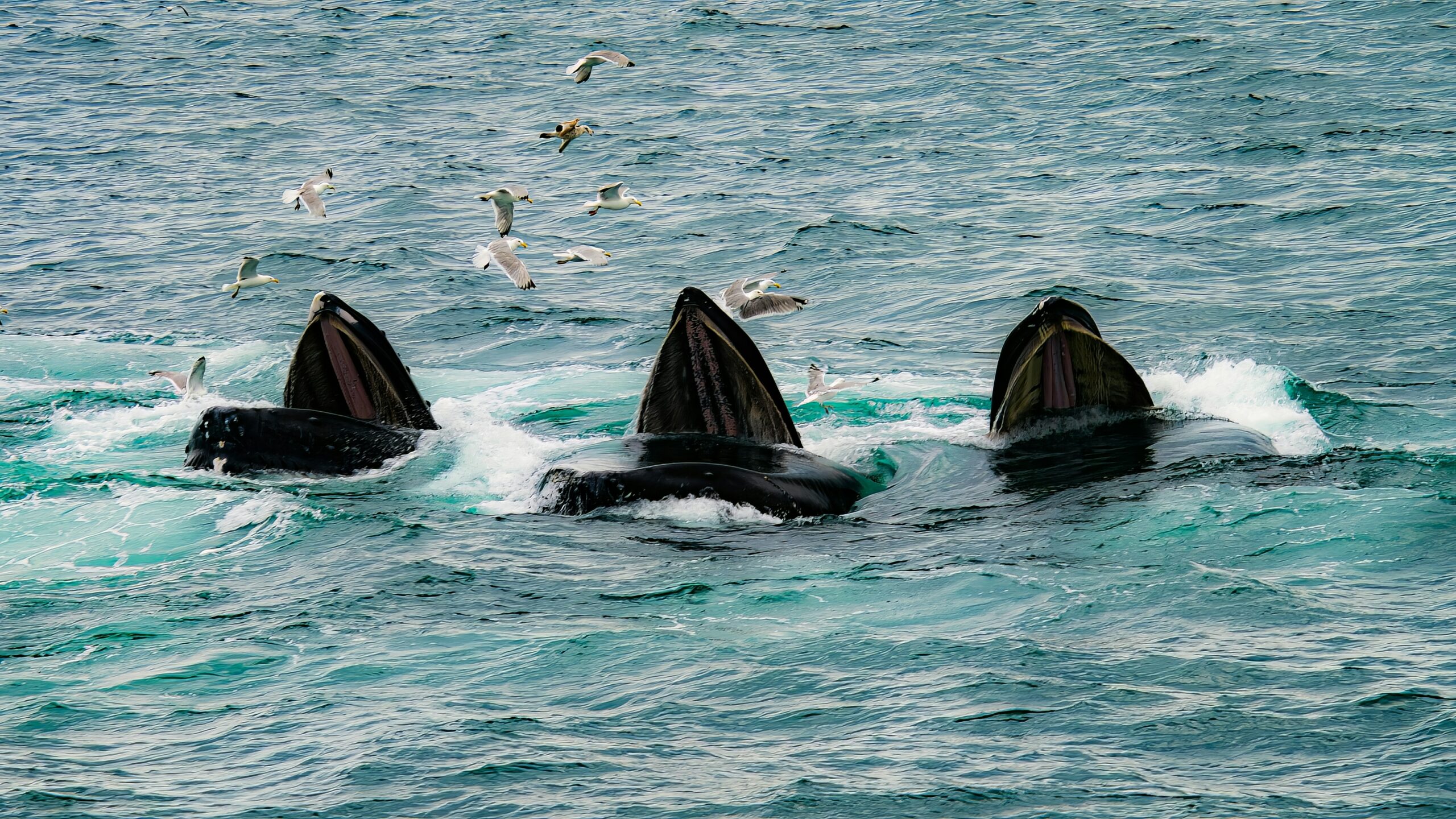
Based on the results, climate change is having a profound impact on right whale populations. In particular, warming waters in the Gulf of Maine have led to a decline in the abundance of Calanus finmarchicus, the whales’ primary food source. This reduction in prey availability has resulted in lower reproductive success and higher mortality rates among North Atlantic right whales.
The study also notes that periods of increased ocean stratification, caused by climate-related shifts in ocean circulation, have made it harder for whales to find food, exacerbating the effects of food scarcity. The researchers argue that the right whale’s critical reliance on a single prey species makes it particularly vulnerable to climate change.
One of the main strengths of this article lies in its multi-decadal analysis, which provides a clear connection between climate variability, prey availability, and whale population dynamics.
Taken from Scientific Reports
The significance of this study is clear: it highlights how climate change not only affects marine ecosystems but also directly threatens the survival of an endangered species. For conservation efforts, this research suggests that protecting right whales requires addressing climate change on a broader scale, as well as managing local factors such as shipping lanes and fishing gear entanglements.
For Atlantic Canadians, this study has special implications. The Gulf of Maine is a key feeding ground for North Atlantic right whales, and the continued warming of these waters could lead to further declines in the whale population. Conservation strategies in this region will need to incorporate adaptive measures that address both local human impacts and broader climate trends.
CONCLUSION
In conclusion, Greene and Pershing’s research sheds light on the critical relationship between climate variability and North Atlantic right whale conservation. As ocean temperatures continue to rise, the availability of the whales’ primary food source is declining, leading to lower reproductive success and higher mortality. The study emphasizes the need for climate-informed conservation strategies to protect this highly endangered species and underscores the broader impacts of climate change on marine biodiversity.
Leave a Reply