Author: Jake Breen
Interviewee: Zeinab Sakehiankia, Mixed Coast Collective
Date: February 10, 2026
Area of Impact:
Atlantic Canada (Newfoundland)
Organization Information:
INTRODUCTION
In recent years, with climate change progressing, climate anxiety has been a growing concept. Climate anxiety is described as the stress, dread, and fear of our changing planet. One of the best ways to address climate anxiety is through storytelling. Storytelling allows individuals to share and connect about their personal experiences. It allows people to find comfort in the understanding that they are not alone in climate change; there are others who are feeling the impacts as well. Generational storytelling, sometimes referred to as oral tradition, has been vastly important in environmental management. Indigenous oral tradition in Canada, and throughout the world, provides the basis of many environmental management techniques that are still used and effective today.
The Mixed Coast Collective is an organization in Newfoundland that focuses on bridging storytelling with climate action. Being BIPOC owned and operated, the Mixed Coast Collective is one of Newfoundland’s leaders in bringing together and uniting communities in climate resiliency.
INTERVIEW
We recently spoke with Zeinab Sakehiankia, a representative from the Mixed Coast Collective, about the importance and impact of their work.
As a first question, I was wondering if you could share an overview of the mission and operations of the Mixed Coast Collective. Where did the inspiration for your project begin?
The Mixed Coast Collective was launched back in 2019 with just an Instagram page, with the intention to share knowledge about climate change and community building. Our mission is to connect the community with climate action through storytelling and also researching data with local knowledge keepers, especially Indigenous knowledge keepers.
Please share a little bit about the impacts of your project on the greater issue of climate change in general. How does the Mixed Coast Collective help Atlantic Canadians as climate change progresses?
At the Mixed Coast Collective, we adopt different communities in Newfoundland and help them to deal with climate change impacts. For example, Port aux Basques is a community on the West Coast of Newfoundland that was severely impacted by Hurricane Fiona back in 2022. Since then, the Mixed Coast Collective set up an EcoCultural lab with their community to make them more aware about climate change, also helping increase their emergency preparedness for events such as hurricanes and wildfires.
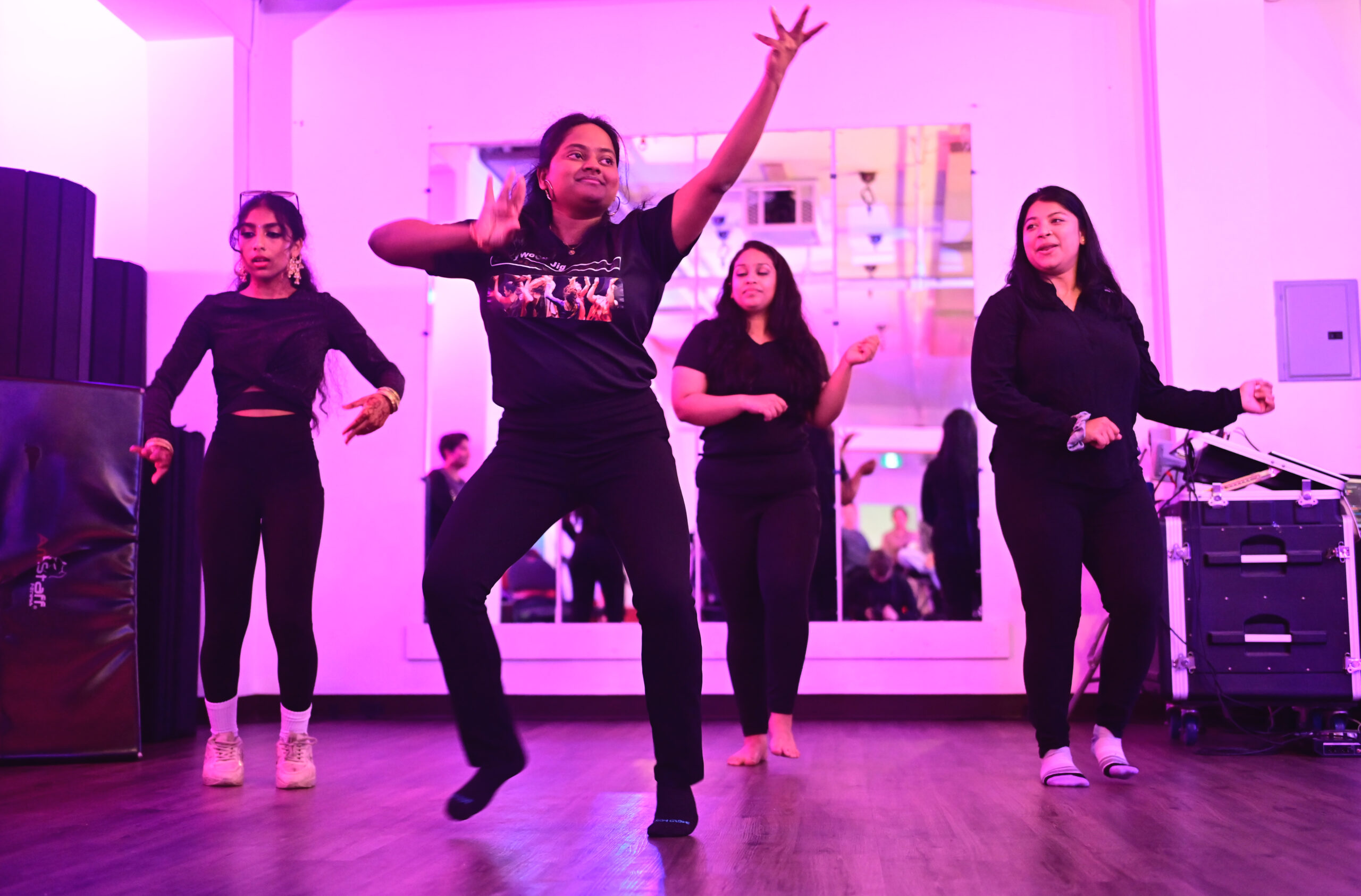
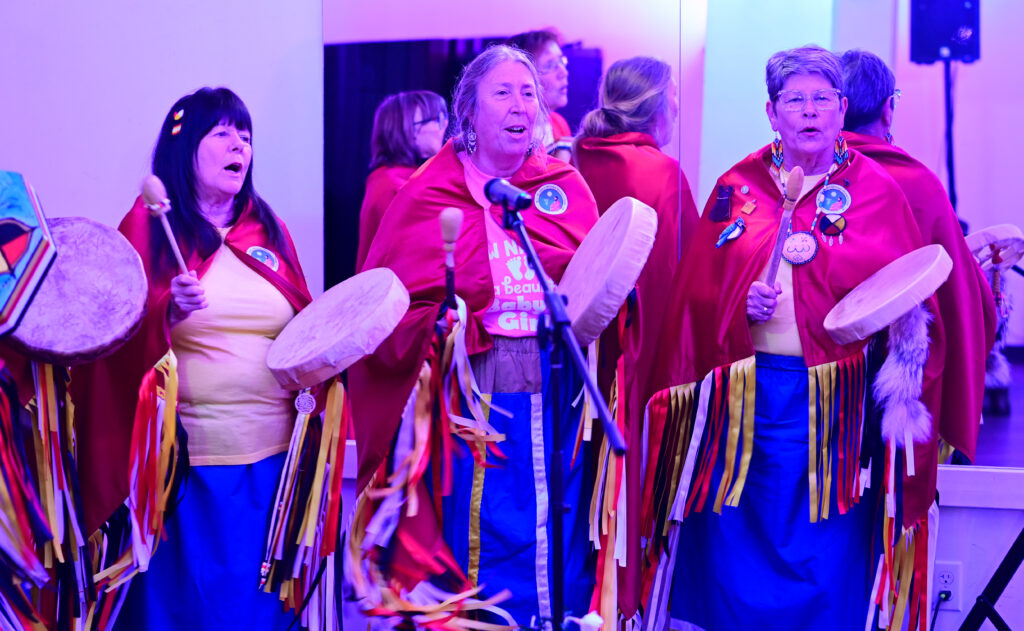
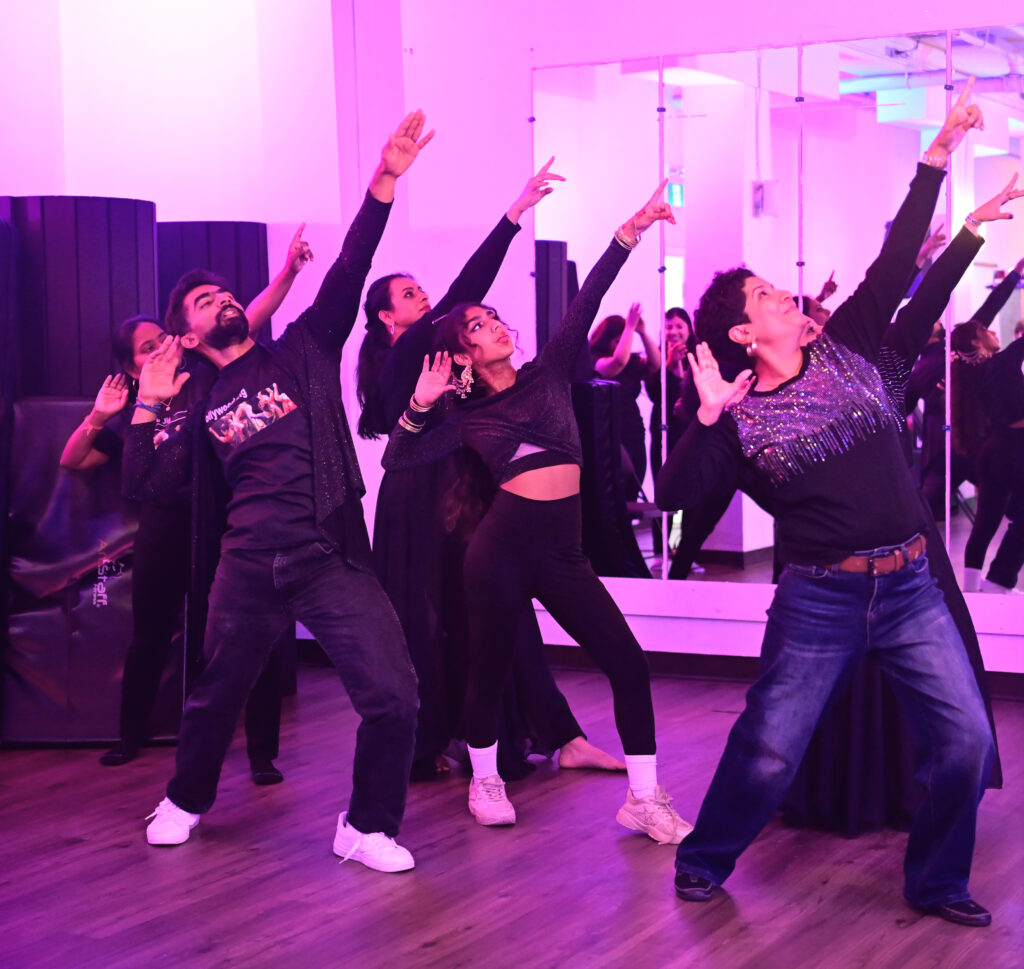
Similarly, the Sacred Threads Camp is another initiative focusing on BIPOC communities that are considered marginalized in Newfoundland. Through this initiative, we helped connect them to climate change through storytelling and creative art. It was a very impactful event because it brought together international students and newcomers, as well as Indigenous and Black communities, to have cultural dialogue about climate change and emergency preparedness.
The EcoCultural lab and Sacred Threads Camp were both especially important in this past year, considering the impact that wildfires had on Newfoundland communities. These programs allowed us to connect and share resources during that scary time. For example, I provided resources for food and pet shelter. Also, it was great to come together and share about the climate anxiety we all experienced.
I’d like to ask about the Sacred Threads event(s). Can you tell me a little bit about the purpose and importance of these events? Are there plans to host more of these events in the future?
We hosted the Sacred Threads Camp for the first time this past summer, it was a new initiative in Newfoundland. The purpose was to bring members of BIPOC communities together for three days to learn about climate change through creative means, such as art and storytelling. We would love to host another camp again next year, maybe focusing more on emergency preparedness and community engagement. We would also like to include more material on wildfires, such as how they would impact our communities, as this is an issue that directly affects Newfoundlanders.
I noticed on your website that your work bridges stories and experiences with research and climate action. Can you tell me a little bit about how you combine these very different topics to help achieve your mission and goals?
The Mixed Coast Collective is a really safe and friendly space and we respect everyone’s experience and story. For example, I am originally from Iran, where droughts and water shortages are common. My family had a tradition where we would go to a small village outside of the city and spend the weekend with our relatives. As I grew up, climate change made the droughts more severe, and we couldn’t continue our tradition with our family. This was really heartbreaking for me because I felt that a big part of my childhood was lost. When I got older, I realized that the reason this happened was because of climate change. This helped me discover that in Newfoundland, we have this gap of knowledge in climate adaptation practice. I then decided to join this environmental group to help others prepare their communities, and try to connect with them through my own story.
Through my experience working with the Mixed Coast Collective, I learned that it’s really important to combine science, storytelling, and lived experience together.
I understand one of your ongoing projects focuses on rain gardens. Can you tell me about this project and how it contributes to environmental sustainability in NL?
The rain garden project is a community-based gathering where people can build a rain garden in front of their houses. Not only does this make the community beautiful, but it also can absorb storm water. The purpose of the rain garden is to reduce flooding and related issues.
Based on my research in Newfoundland, we’ll experience more precipitation as a result of climate change in the next 20-30 years. It should be noted that our infrastructure in Newfoundland and Atlantic Canada are old; they were built based on previous climate and weather conditions. They aren’t built to handle the new conditions and precipitation levels that we will experience in the coming years.
Additionally, the rain garden project is a really great program for newcomers to Canada because they can prepare themselves with these skills in the green sector, earn more money, and establish rain gardens in more and different communities. Essentially, any community member can make a rain garden if they are interested in gardening.
I have partnered with the Mixed Coast Collective on the rain garden project to provide training sessions and workshops to empower community members and newcomers with these skills. We also provide certification based on these workshops that attendees can show to employers.
I have seen that your team is very involved in outreach and communication. Can you share your views on the importance of climate education in our society and how you incorporate climate education into your organization and/or personal lives?
Climate education and awareness is key in the climate change sector, because we have to make the community aware about the impacts to their daily lives. Honestly, it’s really difficult, because we need plain and easy language for our outreach content. For example, posters, blurbs, or any kind of advertisement on social media; anything that allows the viewer to connect with our mission. Without plain language, community members feel excluded from our work; they might think that it’s confusing scientific work, and are not able to understand those impacts. But this often isn’t the case; work in the climate sector is often quite simple and easily understood, at least in its connections to daily life.
In Newfoundland specifically, Facebook channels and groups are large sources of information. We try to engage the community through these channels, by sharing our work in relevant areas. For example, we publish our work from Sacred Threads with the Indigenous and other BIPOC groups to gain their attention to our work.
We also recently held an EcoCultural Lab, focused in Port aux Basques. We advertised our work on the Port aux Basques Facebook channel, and asked the mayor to spread word about our work. This was a great way to connect with locals and to help them feel informed about measures they can take to reduce future impacts from flooding.
Do you have any advice for Atlantic Canadians as climate change progresses?
I really like to emphasize the importance of taking care of yourself. We often think about disasters and direct impacts of climate change, but from what I’ve seen the impacts on mental and physical health are just as scary. Be patient and prioritize your feelings, as it can sometimes feel isolating and depressing. Being aware and educating yourself is one of the best ways to address those feelings. Connecting with groups like the Mixed Coast Collective and ClimaFacts are really great ways to become educated and help ease the anxiety about climate change.
RESOURCES
If you are interested in learning more about the Mixed Coast Collective resources, please check out the following links:
Check out the Mixed Coast Collective social media channels, @mixed_coast_collective, to learn more about Rain Garden and other related sessions.
CONCLUSION
The Mixed Coast Collective is playing an important role in strengthening the climate resiliency of Newfoundlanders and Atlantic Canadians. Not only are they contributing to research in emergency climate management, but they are also developing a strong community through storytelling. Building community in a time where climate anxiety is constantly increasing is vastly important, and the Mixed Coast Collective is doing their part to ensure all Newfoundlanders have such a community.
The ClimaFacts Outreach Project was developed to highlight the important environmental work happening around Atlantic Canada. By participating in this project, our team will strive to share your group / project / initiative with our platform, bringing attention to the specific and local connections to climate change in Atlantic Canada. Please reach out to climafacts.outreach@gmail.com if you are interested in being featured.
Leave a Reply