Author: Reeju Francis Leonard Gomes
Date: December 5, 2025
Article Title:
Impact of climate change on crop production and food security in Newfoundland and Labrador, Canada
Article Affiliation:
School of Science and the Environment, Memorial University of Newfoundland – Grenfell Campus, Corner Brook, NL, Canada
Department of Economics, University of Rajshahi, Bangladesh
Economics/Environmental Studies, School of Science and the Environment, Memorial University of Newfoundland – Grenfell Campus, Corner Brook, NL, Canada
Article Citation:
Reza, M. S., & Sabau, G. (2022). Impact of climate change on crop production and food security in Newfoundland and Labrador, Canada. Journal of Agriculture and Food Research, 10, 100405.
INTRODUCTION
The impact of climate change is not only global but also diverse, as it affects all parts of our lives, including food. To maintain food security with a growing population on a global scale, industrial agriculture was developed. However, this practice has serious concerns, such as the loss of biodiversity, among many others. We co-exist with nature. Therefore, while industrial agriculture may have initially been a good idea, it may as well be a cause of destruction for mankind if not carefully considered. Is there anything that can be done, or have we reached the epitome of agricultural practice, which costs more than we can afford to pay for?
The study argues that agriculture affects climate change in two ways, positively and negatively, as it can act as a carbon sink and source. Therefore, the problem becomes like a positive feedback loop, where the effect of the first factor stimulates the second factor and hence increases the first factor, almost like a cycle. The research conducted by Mohammad Selim Reza and Gabriela Sabau aimed to find the effects of climate change on food security and production in the province of Newfoundland and Labrador. The study hypothesized that food production via the method of industrial agriculture caused major greenhouse gas emissions (GHG). To proceed with the study, the researchers successfully surveyed approximately 16 farmers with 71 questionnaires to have a better understanding of farming from the perspective of the farm operators.
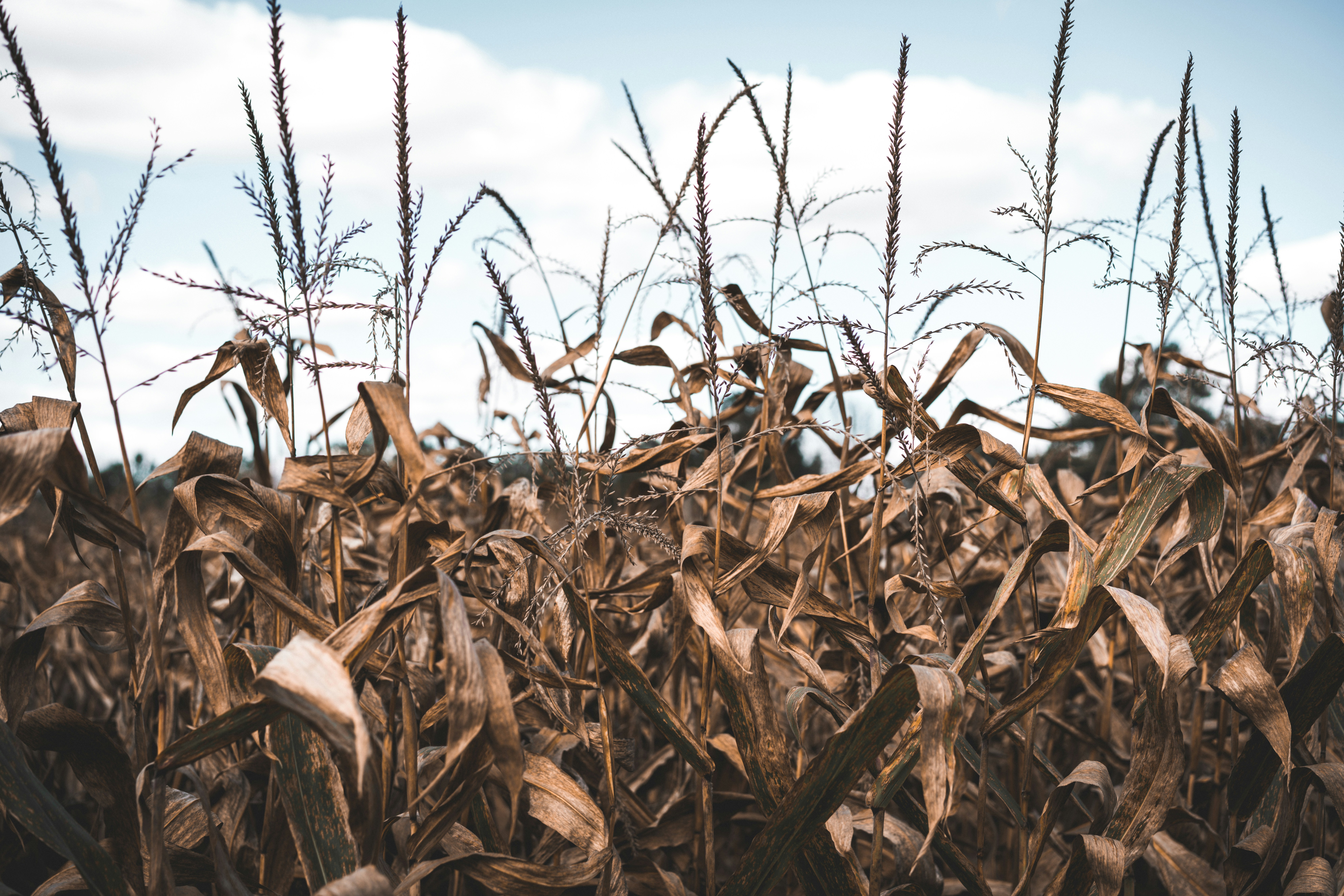
Taken from Climate Kids
RESULTS AND DISCUSSION
The study mentioned key findings that show that food security is being impacted due to climate change. It was revealed from the survey that farmers now have to use more water due to high temperatures and that the quality and quantity of yield were affected due to late spring. Also, it was discovered that industrial farming activities contributed to higher greenhouse gas emissions, such as deforestation to make space for farming and the implementation of chemicals for crops. The farmers were aware of the impact of improved farming methods that contributed to climate change, and they tried in varying ways to have a greener farming system, with most of them using organic fertilizer. Finally, the survey showed that small-scale family farmers are enthusiastic about shifting to more environmentally friendly farming methods. Shifting to agroecological farming practices would be accelerated if more support is provided, whether through training or governmental aid. Therefore, the study has confirmed their hypothesis that current industrial farming practices contribute to climate change.
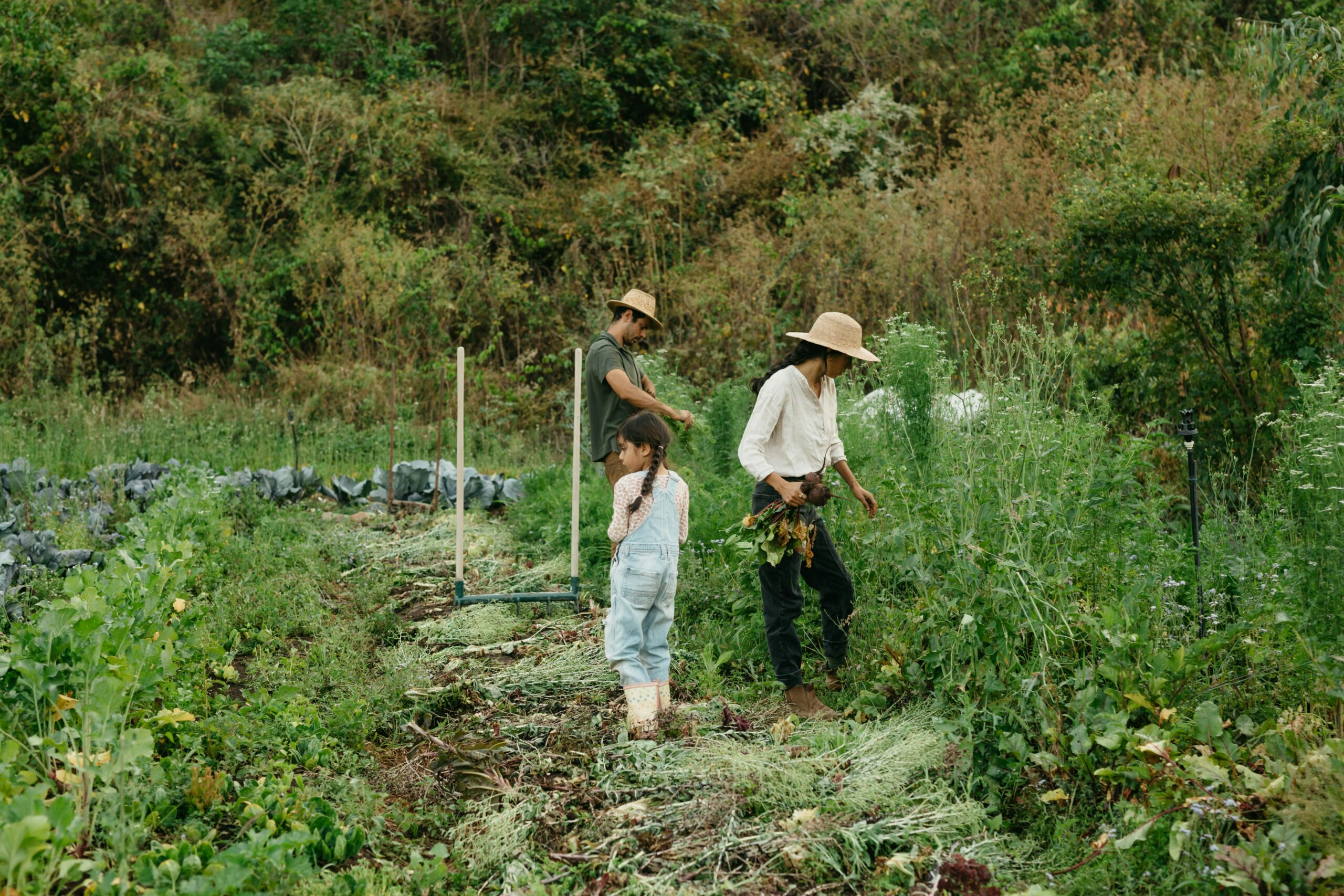
The findings of this study are very important for several reasons. Firstly, it is because the study is focused on Newfoundland and Labrador, which is one of the Atlantic provinces; therefore, the impacts of food insecurity mentioned in this research affect people in the easternmost provinces of Canada. While the effects of climate change on food insecurity may not be significant enough to be felt at our dining table at the moment, it is confirmed through the survey that farmers are feeling the impacts firsthand. Transitioning to agroecological farming has several benefits, such as having higher resistance to climate change and promoting better soil quality. The authors mention several recommendations ranging from increasing financial incentives for the farmers to policy improvements.
CONCLUSION
So, to answer the question raised in the first paragraph, yes, there is a potential alternative farming practice that would ensure food security and contribute to lesser GHG emissions than the industrial agricultural practice, which is called agroecological farming practice. As mentioned earlier, farmers have shown great interest in shifting to more environmentally friendly farming practices, and support from the government would make the transition quicker and smoother. It would help tackle food insecurity and climate change through lesser GHG emissions.
Leave a Reply