Author: Miranda Jacques
Date: October 3, 2025
Article Title:
Impact of climate change on crop production and food security in Newfoundland and Labrador, Canada
Article Affiliation:
School of Science and the Environment, Memorial University of Newfoundland – Grenfell Campus, Corner Brook, NL, Canada
Department of Economics, University of Rajshahi, Bangladesh
Article Citation:
Reza, M. S., & Sabau, G. (2022). Impact of climate change on crop production and food security in Newfoundland and Labrador, Canada. Journal of Agriculture and Food Research, 10, 100405.
INTRODUCTION
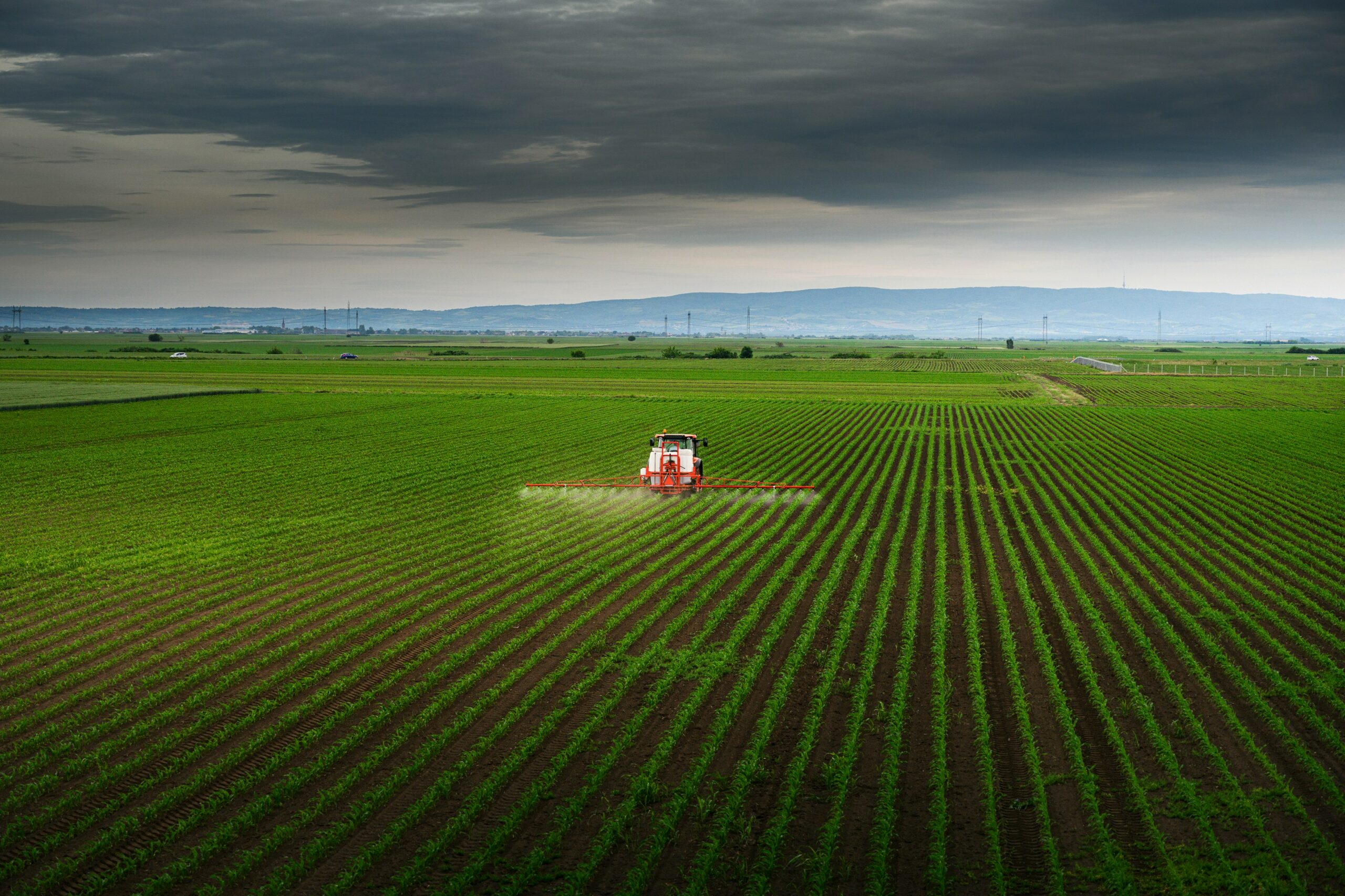
Climate change has become one of the most pressing challenges in recent years, impacting ecosystems, economies, and communities worldwide. In particular, agriculture, a sector deeply intertwined with natural environmental conditions, has been profoundly affected by the changing climate. From global warming to shifts in precipitation patterns and increased frequency of extreme weather events, these changes threaten food security and agricultural sustainability. This is especially true in regions like Newfoundland and Labrador (NL), Canada, where limited agricultural land, short growing seasons, and extreme weather conditions complicate food production, creating an urgent need for innovative solutions.
This study investigates the impact of climate change on crop production and food security in NL. The research seeks to understand how climate change, including extreme weather events and temperature fluctuations, exacerbates the province’s existing agricultural challenges, such as limited growing seasons and inadequate farmland. The study also aims to explore whether agroecological farming practices and methods that emphasize environmental sustainability and biodiversity can be a viable solution for increasing food production and resilience to climate change in the province.
Research in this area is crucial because food insecurity remains a significant issue in NL, a province that relies heavily on food imports due to its low agricultural output. By examining the effects of climate change on the local food system, the study fills a critical knowledge gap regarding how climate-resilient agricultural practices could mitigate these challenges.
The study utilizes both quantitative and qualitative methods, including surveys of NL farmers and a literature review of scientific publications and government reports. Through this approach, the researchers aim to assess the potential of agroecology to improve agricultural resilience and sustainability, ultimately supporting the development of new policies to promote these practices in NL.
RESULTS AND DISCUSSION
The study found that farming in NL is significantly impacted by climate change, with extreme temperatures, high winds, and unpredictable weather patterns being some of the most detrimental factors. Approximately 37.5% of the crop farmers reported destruction of crops due to high winds and storms, and over 50% had to increase water usage due to frequent droughts. Short growing seasons and late spring frosts were major challenges, affecting 75% of the farmers, leading to poor yields and crop quality. Additionally, insect pests and soil erosion exacerbated by climate change have further hindered agricultural production in the province.
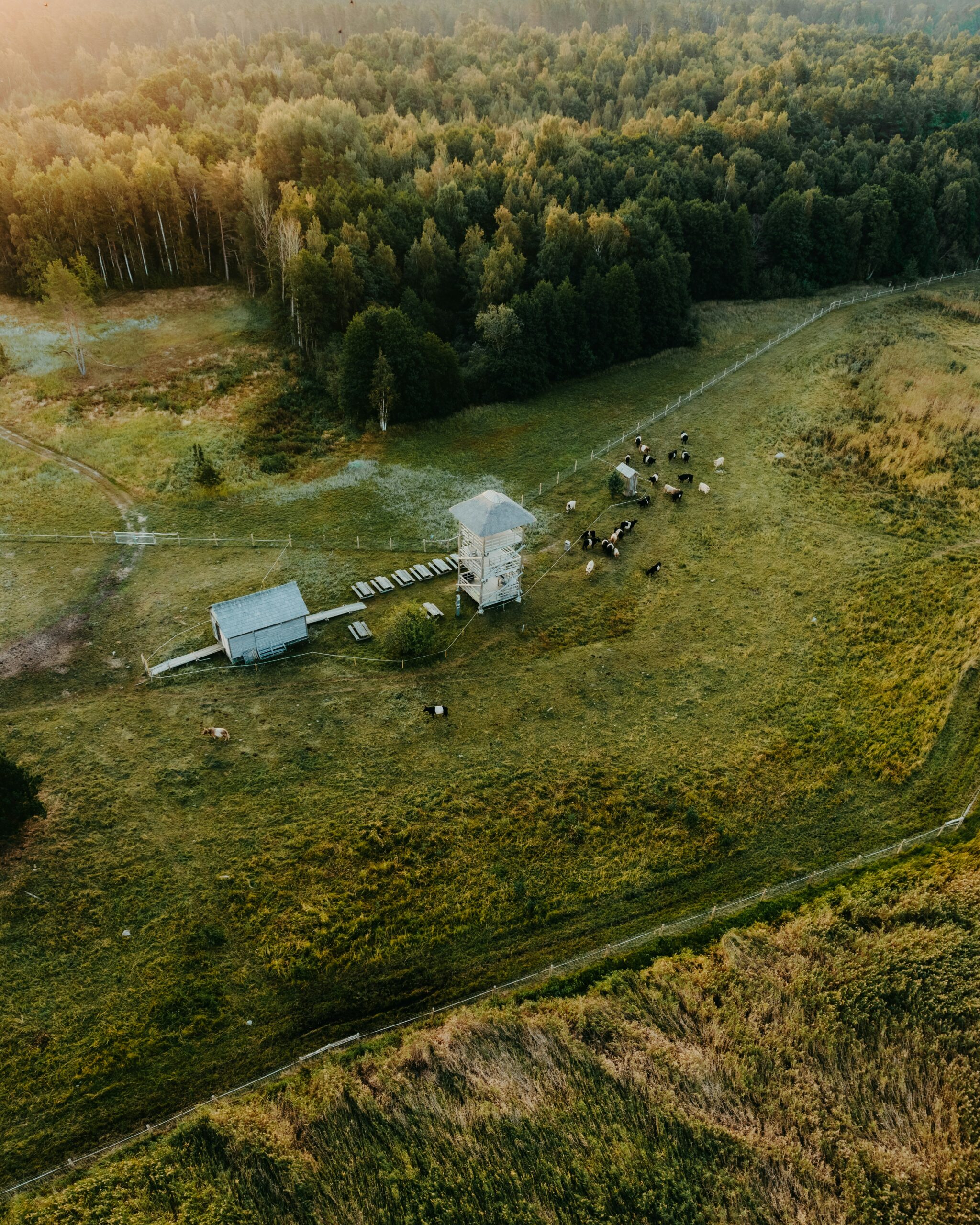
The results of the study align with the hypothesis that industrial farming systems contribute to climate change and threaten food security. Farmers reported that conventional practices like monocropping and excessive use of chemical fertilizers increased vulnerability to pests and reduced soil health. However, agroecological practices, such as reducing tillage and integrating livestock, were identified as viable solutions to improve soil quality and mitigate greenhouse gas emissions. The study concludes that a shift toward agroecological farming, supported by new policies and farmer training, could improve NL’s agricultural resilience to climate change and bolster food security in the region.
The study further highlighted that, while the majority of farmers in NL are dependent on fossil fuels, a small portion (18.8%) expressed interest in transitioning to renewable energy sources such as solar, wind, tidal, and geothermal energy. However, these efforts are hindered by government regulations and the monopoly of Newfoundland and Labrador Hydro, which prevents farmers from producing renewable energy and selling surplus to the national grid. This regulatory barrier is a significant challenge in promoting sustainable energy practices in the agricultural sector.
Farmers have also taken proactive steps to reduce the environmental impact of their farming practices. Many (43.8%) have reduced their reliance on chemical fertilizers, opting instead for organic alternatives like manure, used by 93.7% of respondents. Similarly, integrated pest management strategies, including crop rotation, bio-control, and the use of organic pesticides, were adopted by 50% of the farmers to reduce synthetic pesticide usage. Water conservation efforts, such as rainwater collection and the use of surface water, were also employed by 37.5% and 43.8% of the farmers, respectively.
These practices not only improve soil health but also contribute to carbon sequestration, as 87.5% of the respondents keep trees on their farms. Additionally, 68.8% of the farmers focused on supplying local markets to reduce transportation-related emissions. While only 1.2% of farms in NL were certified organic in 2016 due to the prohibitive costs of certification, 37.5% of the crop farmers plan to introduce organic products on their farms. These findings reinforce the growing recognition of agroecology as a viable alternative to industrial agriculture, providing economic stability and enhancing ecological resilience in the face of climate change.
Overall, the study underscores the potential for a transition toward agroecological practices, which could address both environmental sustainability and economic challenges in the region’s agriculture.
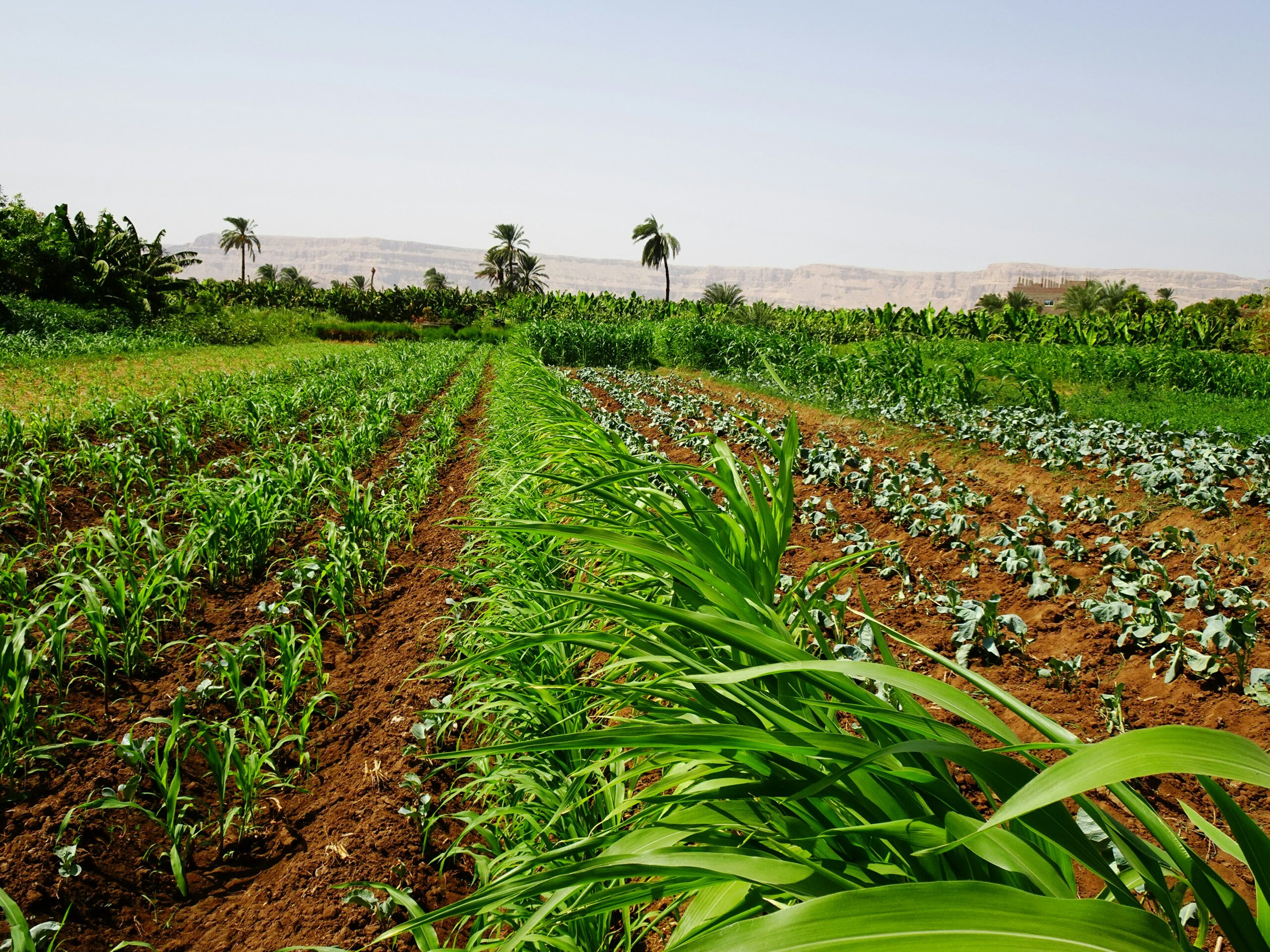
The study’s significance lies in its potential to guide the transition toward more sustainable agricultural practices in NL. By highlighting the impact of extreme temperatures and the adverse effects of conventional farming practices, the research underscores the urgent need for agroecological solutions. Implementing these practices can mitigate climate change effects, enhance food security, and support a shift away from environmentally damaging industrial farming.
For Atlantic Canadians, particularly in NL, the study is crucial as it offers a pathway to address local agricultural challenges while fostering environmental sustainability. The findings advocate for increased government and policy support for small-scale and young farmers, the promotion of renewable energy, and the adoption of organic and diversified farming methods. These changes could revitalize the region’s agricultural sector, increase local food production, and improve economic stability for farmers. Moreover, integrating agro-ecological practices can help protect the region’s unique environment, ensuring a more resilient and sustainable agricultural future for the community.
CONCLUSION
The study reveals that extreme temperatures and conventional farming practices significantly impact agriculture in Newfoundland and Labrador, highlighting a pressing need for a shift towards agroecological practices. By documenting the challenges faced by farmers and the initial steps taken towards more sustainable methods, the research underscores the importance of policy support and educational initiatives in promoting these practices. This transition is crucial for enhancing food security, protecting the environment, and ensuring the long-term viability of local agriculture. For the general public, particularly in Atlantic Canada, adopting these strategies promises not only to improve local food production and farmer livelihoods but also to contribute to broader environmental sustainability and resilience against climate change.
Leave a Reply