
Author: Alizay Viraney
Date: August 26, 2026
Article Title:
Ambient polycyclic aromatic hydrocarbon exposure and breast cancer risk in a population-based Canadian case-control study
Article Affiliation:
Department of Public Health Sciences, Queen’s University
Air Quality Research Division, Environment and Climate Change Canada
Office of Environmental Health, Health Canada
Article Citation:
Hinton, P., Villeneuve, P. J., Galarneau, E., Larsen, K., Wen, D., Meng, J., Savic-Jovcic, V., Zhang, J., & King, W. D. (2024, April 17). Ambient polycyclic aromatic hydrocarbon exposure and breast cancer risk in a population-based Canadian case–Control Study – Cancer Causes & Control. SpringerLink. https://link.springer.com/article/10.1007/s10552-024-01866-4
INTRODUCTION
The incidence of breast cancer has increased globally in the 21st century. In Canada, breast cancer is the most frequently diagnosed cancer in women. While many underlying factors contribute to someone’s predisposition to developing breast cancer, such as genetics, hormones, and behavioural factors, certain women develop breast cancer with minimal risk factors. Breast cancer also varies greatly in women in tumour subtype as well as being premenopause or postmenopause. In order to thoroughly understand the cause of breast cancer, one must also look at environmental emissions that have played a role in cancer in animal and epidemiological studies.
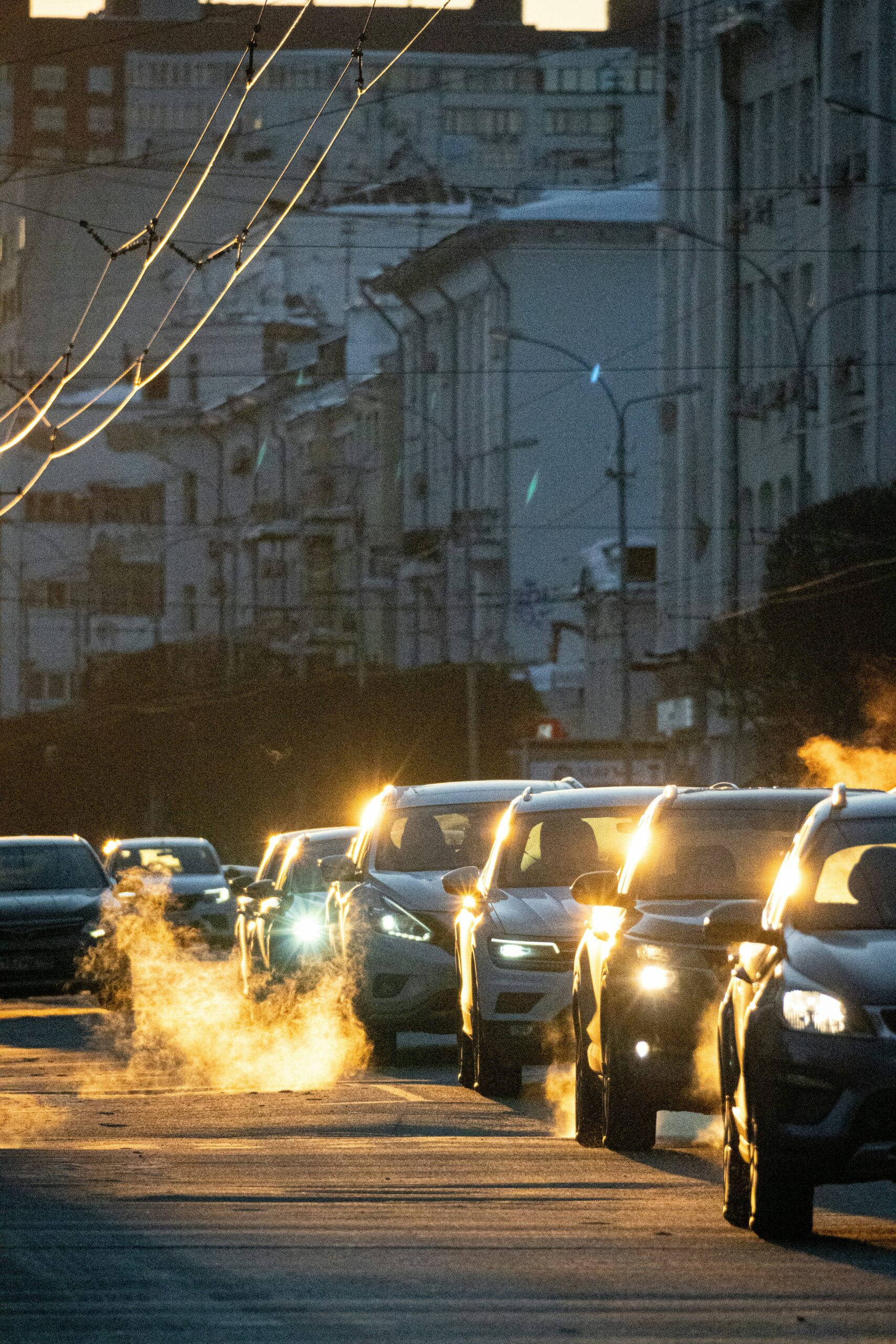
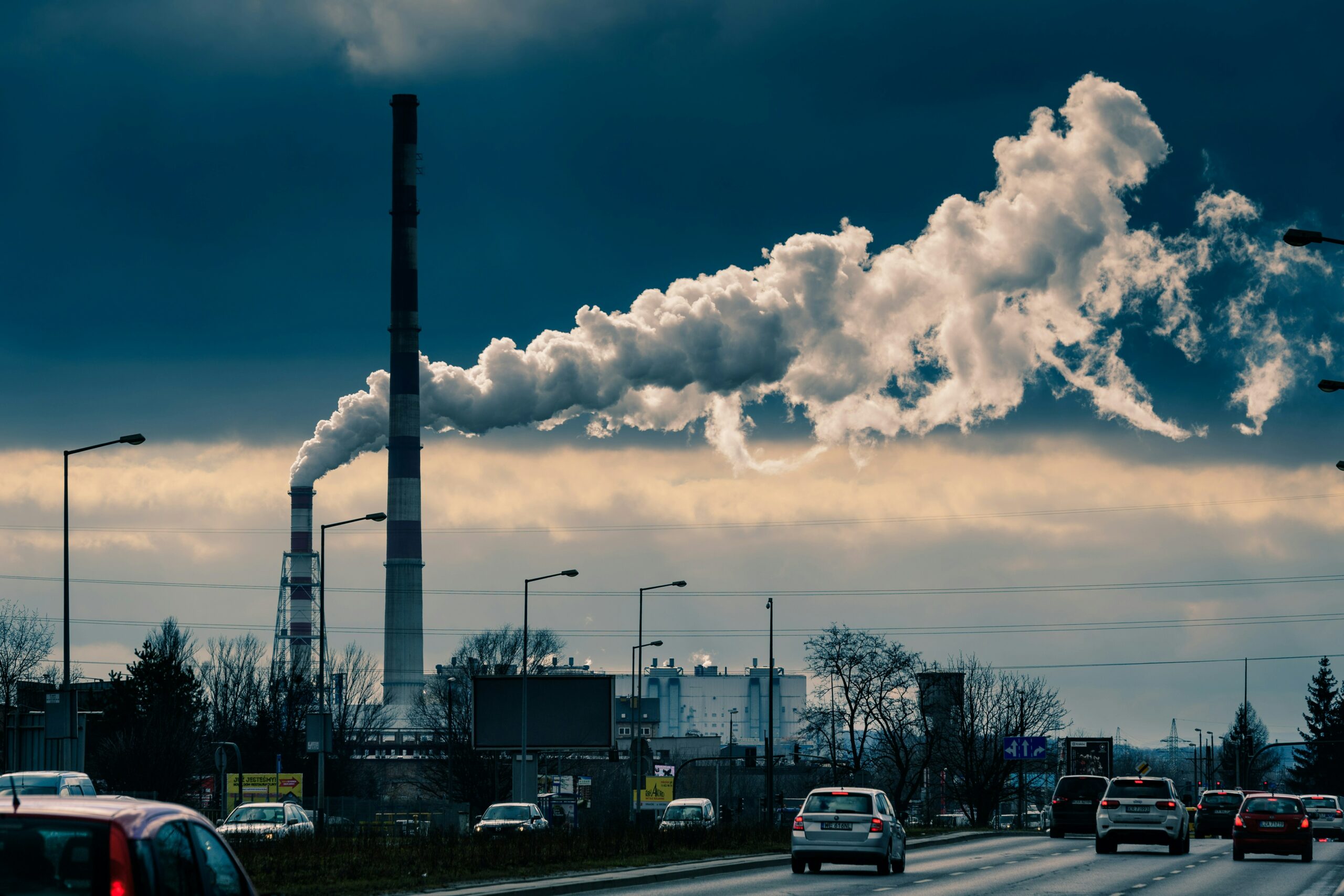
Ambient polycyclic aromatic hydrocarbons (PAHs) are produced from the incomplete combustion of organic materials. They are well-established animal and human carcinogens and mutagens (causing genetic mutations). These PAHs are released from industrial plants, vehicular combustion, firewood combustion and, most importantly, from wildfires. With wildfires increasing in frequency due to climate change, this poses a particular issue in urban areas where PAH concentrations are likely to be high. Past epidemiological studies examining the association between pollution and cancer risk have been limited to pollutants such as nitrogen dioxide and fine particulate matter and their impact on respiratory cancers. However, there are few studies examining the association between pollution and breast cancer risk in the population. Therefore, this study aims to assess the association between long-term exposure to PAHs and breast cancer risk in the Canadian population for women premenopause and postmenopause. This was achieved through random sampling across eight provinces, excluding Quebec and New Brunswick and quantified through regression models.
RESULTS AND DISCUSSION
The Canadian population studied was from the Canadian National Enhanced Cancer Surveillance System (NECSS) with data collected across eight provinces, excluding Quebec and New Brunswick. Data was collected between 1994 and 1997 in the form of surveys, asking participants questions about their risk factors, such as lifestyle, smoking history, and alcohol consumption. Exposure to ambient PAHs was quantified using emissions data from 1994 and 2000, as simulated by the Global Environmental Multiscale model Modelling Air Quality and Chemistry Polycyclic Aromatic Hydrocarbons (GEM-MACH-PAH). Fluroanthene was used as a marker of PAH, as when this PAH is present in large amounts, all other PAHs are also present in large amounts. These two variables were analyzed using regression models, and the study found that long-term exposure to PAHs increased breast cancer risk for premenopausal women. PAHs, however, did not seem to impact breast cancer risk for postmenopausal women significantly.
Overall, this study is imperative in examining the association between the environment and cancer risk in Canadian women. There are currently very few studies that explore this association, and many have conflicting findings, such as PAHs having no significant impact on premenopausal or postmenopausal women. Therefore, this study adds to existing literature on ambient PAHs and their implications for breast cancer development in the Canadian population. While the study yields plausible results, several limitations are outlined by the authors, as the population studied consisted of eight provinces, excluding Quebec and New Brunswick. Moreover, there may have been potential selection bias in the controls, response bias in participants who inaccurately responded to surveys, as well as confounding variables such as other pollutants, and a lack of consideration for the genetic history of breast cancer (BRCA1/BRCA2).
CONCLUSION
In conclusion, the study found a positive association between long-term exposure to PAHs and breast cancer risk in the Canadian population for women premenopause, with inconclusive results for women postmenopause. These findings highlight the impact that the environment has on breast cancer development and support efforts to reduce air pollution to protect public health. It also encourages other researchers to further investigate the relationship between ambient PAHs and breast cancer in premenopausal and postmenopausal women to have a more conclusive understanding of the impact these chemicals have on breast cancer development.
Leave a Reply