Author: Tomas Wang
Date: August 25, 2026
Area of Impact:
Atlantic Canada
Article Information and Location:
Antarctic treaty under stress as member countries gather in Italy
Susan Ormiston and Jill English, CBC News, June 7, 2025
INTRODUCTION
As a crisis that could possibly end humanity, climate change requires the cooperation of all people — national and international — to combat it. However, the extent of such collaboration is limited by the interests of corporations and countries. After all, climate change was the result of our endless exploitation of fossil fuels in seeking profit. Canada leads the world in the fight against climate change. However, not all countries share the same vision. Consequently, international diplomacy is paramount in our fight against climate change as a nation. The Antarctic Treaty is a prime example of such diplomacy.
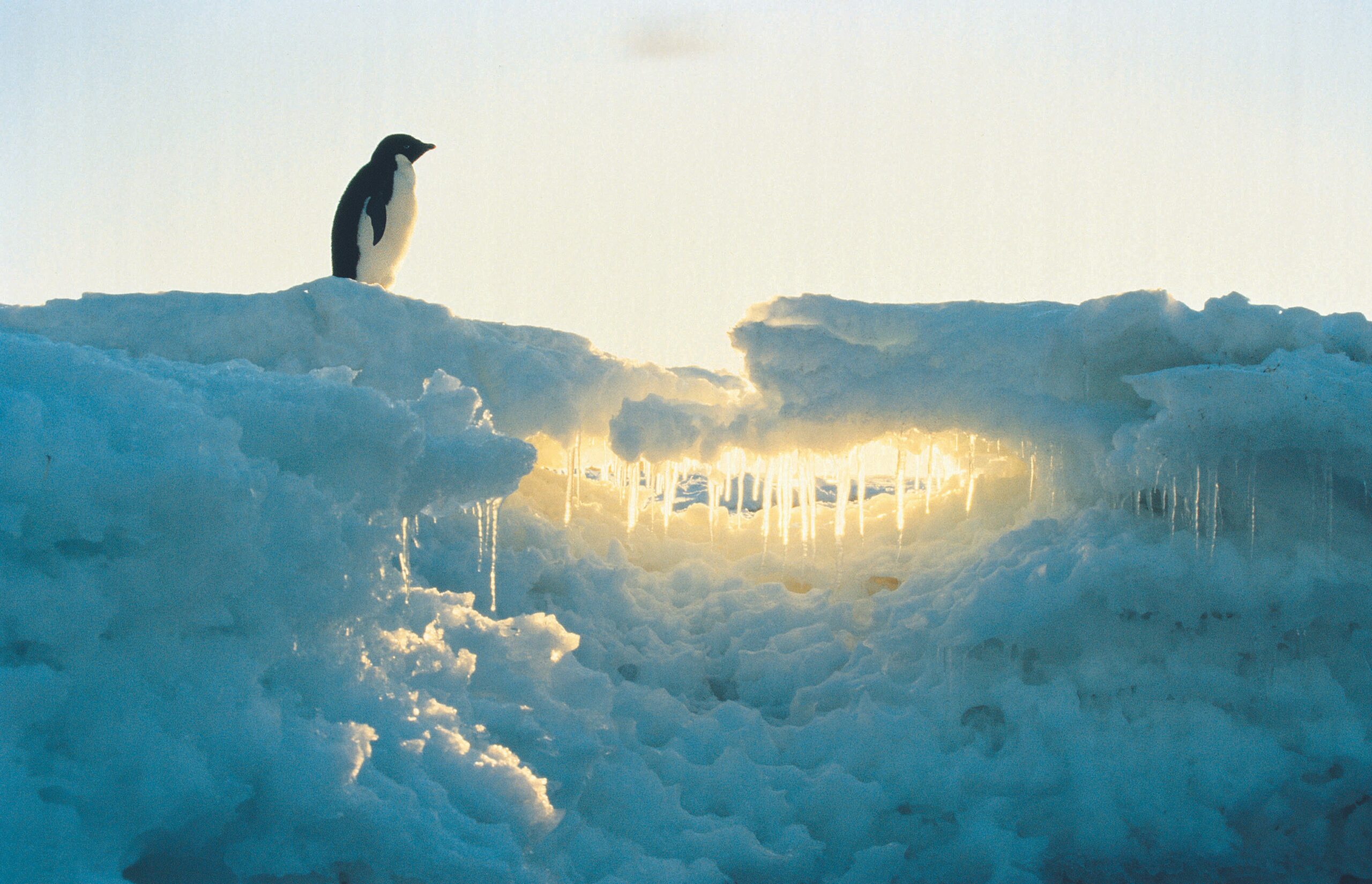
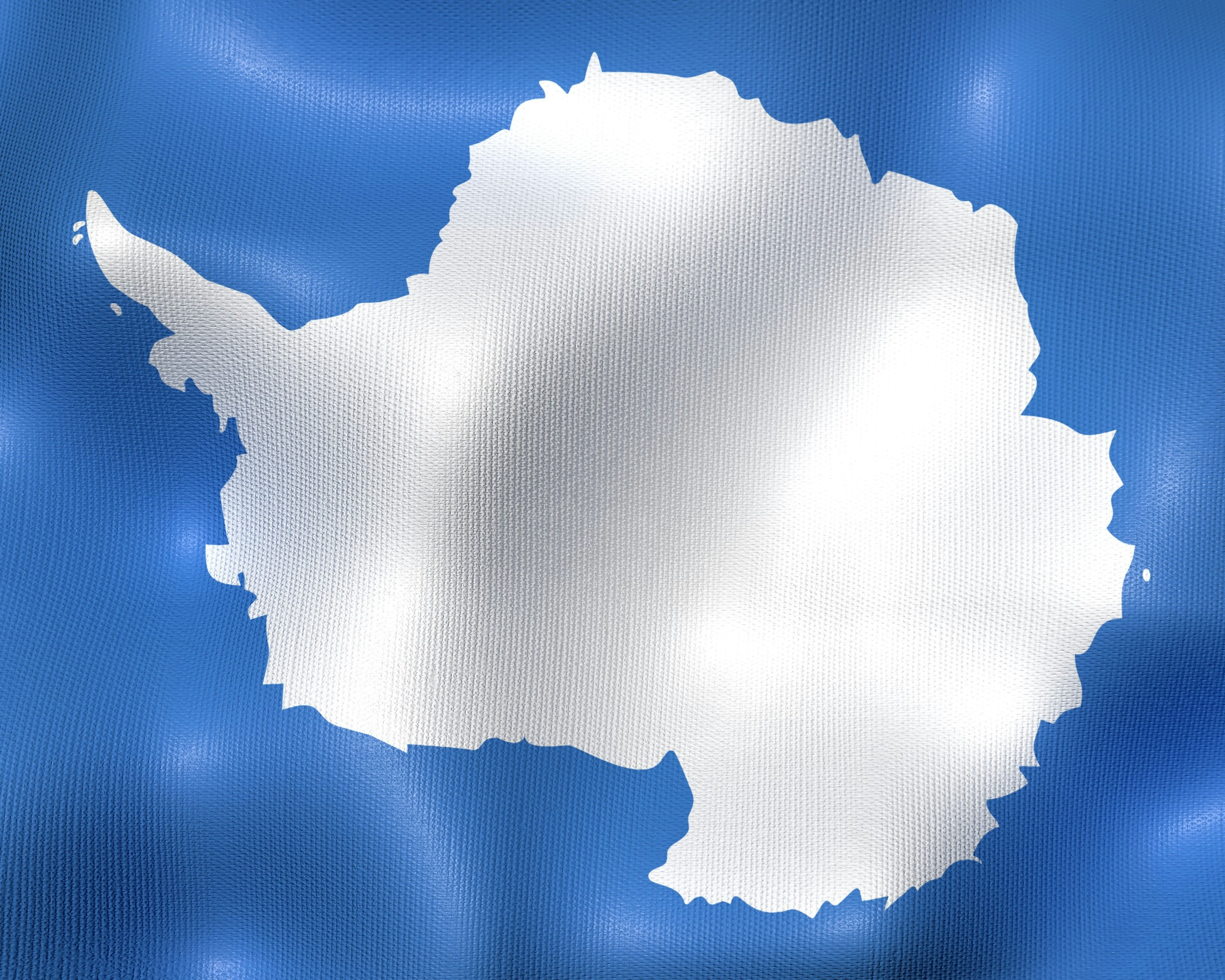
The article Antarctic Treaty under stress as member countries gather in Italy details the significance of Antarctica, Canada’s diplomatic goal, and an All-Canadian Antarctic Expedition. Antarctica is a continent of glaciers with no sovereign territory. It is governed by the Antarctic Treaty of December 1, 1959. The treaty states that “Antarctica shall be used for peaceful purposes only”, “Freedom of scientific investigation in Antarctica and cooperation toward that end… shall continue”, and “Scientific observations and results from Antarctica shall be exchanged and made freely available”. Currently, this treaty is undergoing much tension.
INFORMATION AND SIGNIFICANCE
Only half of the 58 signatories are consultative parties who can vote on decisions. Canada currently seeks to become a consultative party. However, Russia stands in Canada’s way, demanding that Belarus be a consultative party alongside Canada. Canada hopes to settle this proposal during a meeting in Milan, Italy, later this month. After seeing all the efforts we put in toward the Antarctic Treaty, one question arises: Why does it matter? The reason is climate change. Antarctica is the largest glacier in the world. As it continues to melt(currently at an alarming rate), it will greatly raise the sea levels. Furthermore, the Southern Ocean is a massive carbon sink that absorbs greenhouse gas. The melting of the glacier will significantly weaken said effect and further facilitate global warming. Canada wants to take action and doing so requires voting rights. The All-Canadian Expedition early this year is a perfect exhibit of our dedication to this issue.
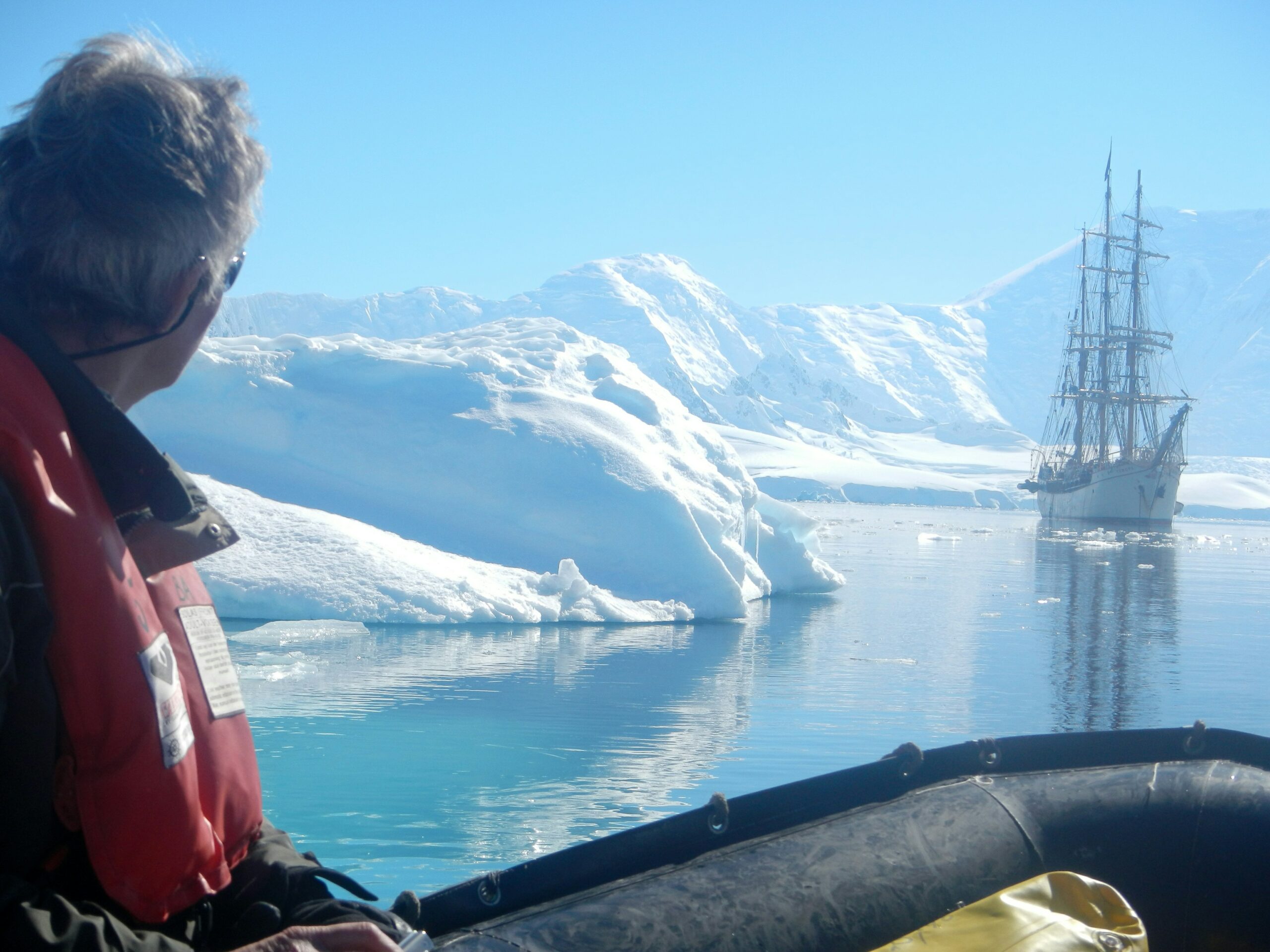
Departed in March, the ship HMCS Margaret Brooke commenced an expedition to Antarctica. The team was composed entirely of Canadians and hosted by the Canadian Navy. The expedition was aimed at studying Antarctic organisms, investigating climate change, visiting research stations of other countries, and improving Canada’s presence in the field of Polar Research. The expedition saw many challenges, including extreme weather and difficulties in navigation. Nevertheless, the team pushed through and reached Rothera Point, which was the farthest point the Canadian Navy had reached. The expedition was a massive success. Not only did it bring back fruitful results, but it also showed the world Canada’s dedication to research in the Antarctic.
The effect of Canada’s involvement in Antarctica is doubtlessly profound to us Canadians. Our government is clearly invested in Antarctica and explorations similar to HMCS Margaret Brooke will likely be abundant in the future. Canada’s involvement in Antarctica could be awesome job opportunities for interested individuals. Specific to Atlantic Canada, as provinces adjacent to the sea, the consequence of the rise in sea levels will be devastating. Islands such as Prince Edward Island could even cease to exist. Out of all Canadians, Atlantic Canadians should be the most aware of this issue. As the conference in Milan rolls around later this month, it is important for all of us to pay great attention, for this result will not only affect Canada’s future policies but also possibly the fate of coastal cities.
CONCLUSION
Until the date of the Milan conference, all we can do is wait. However, no matter the result, changes can be made; even without the government and international diplomacy, the power of ordinary people is still enough to make a big change. No matter if it is telling a friend about climate change’s importance or starting a non-profit project, we can make a difference. So go out there and help save the world.
Leave a Reply